What Is Hardy's Wessex?
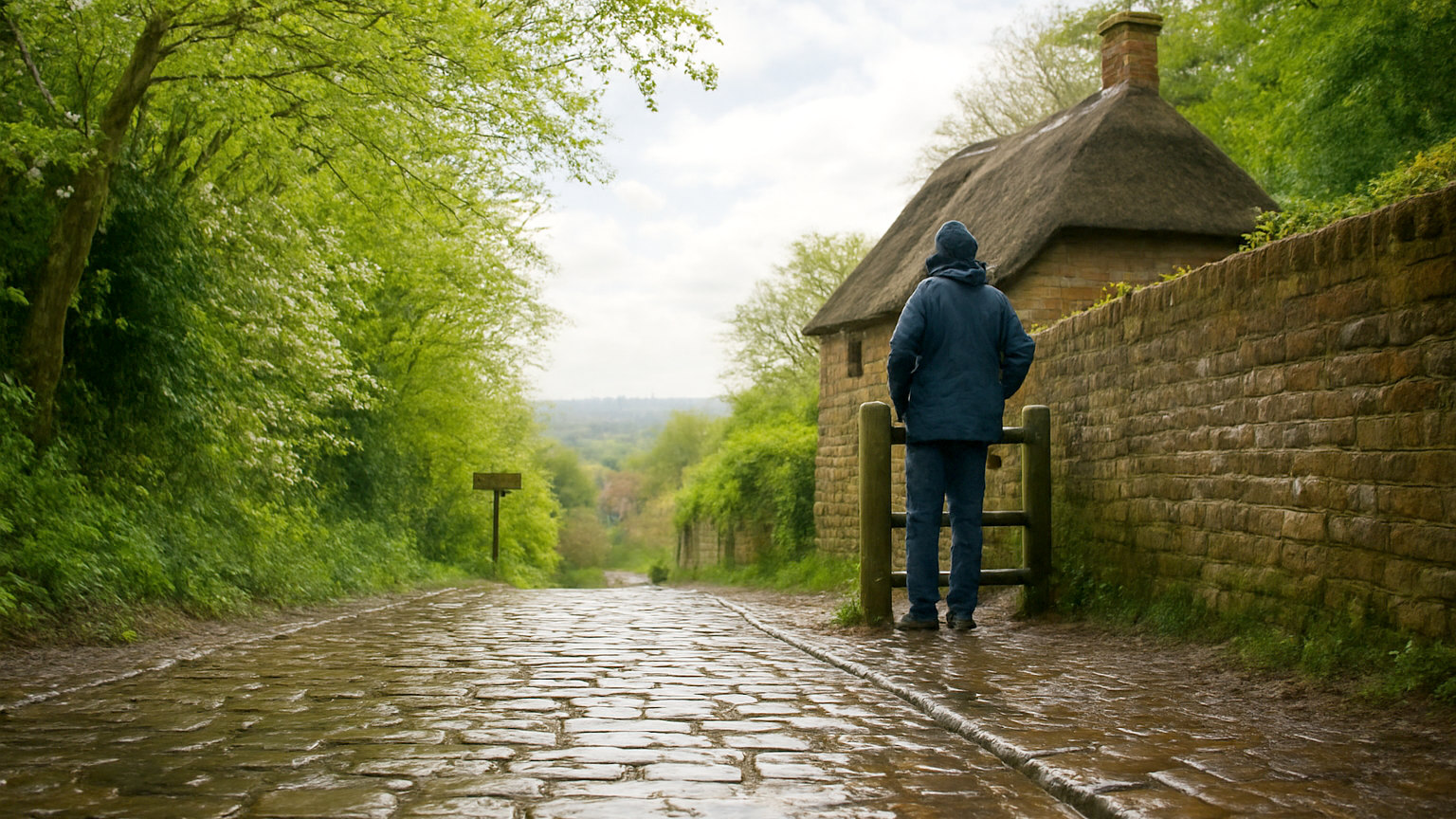
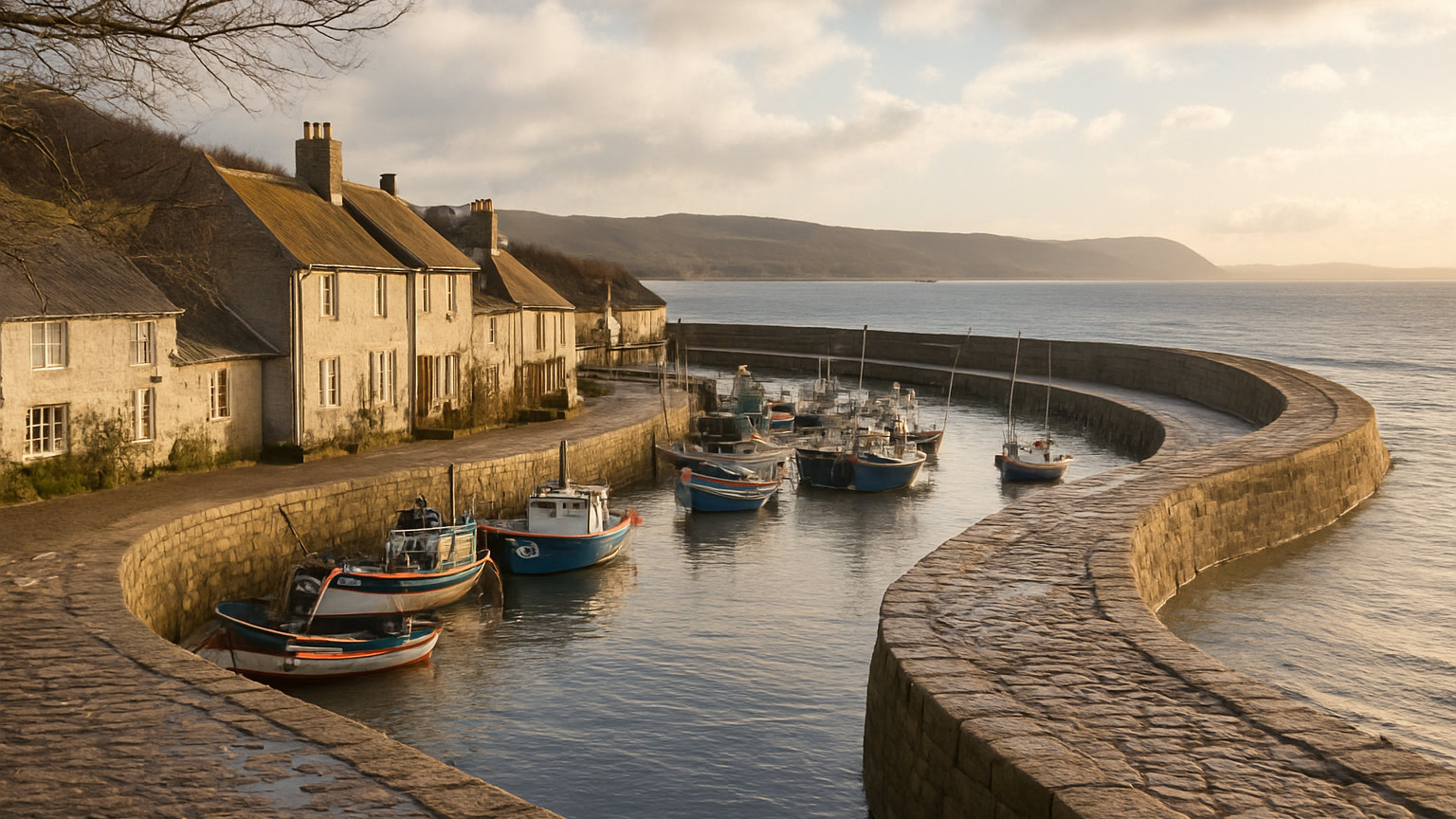
Hardy renamed the south west of England and the names stuck. What Wessex actually is, and which real places lie behind it.
By British Travel Guides Editorial
6 Mar 2026

A great deal of English literature is legible on the ground, and standing in the landscape that produced it is a better reason for a trip than most. These guides cover the Bronte moors, Hardy's Wessex, Wordsworth's Lakes, Austen's Bath, Dickens's London and Dylan Thomas's Laugharne, with the houses, museums and walks that are open to visit.
Hardy renamed the south west of England and the names stuck. What Wessex actually is, and which real places lie behind it.
Dickens knew London on foot better than almost anyone. Which of his places survive, and where the city he described is still legible.
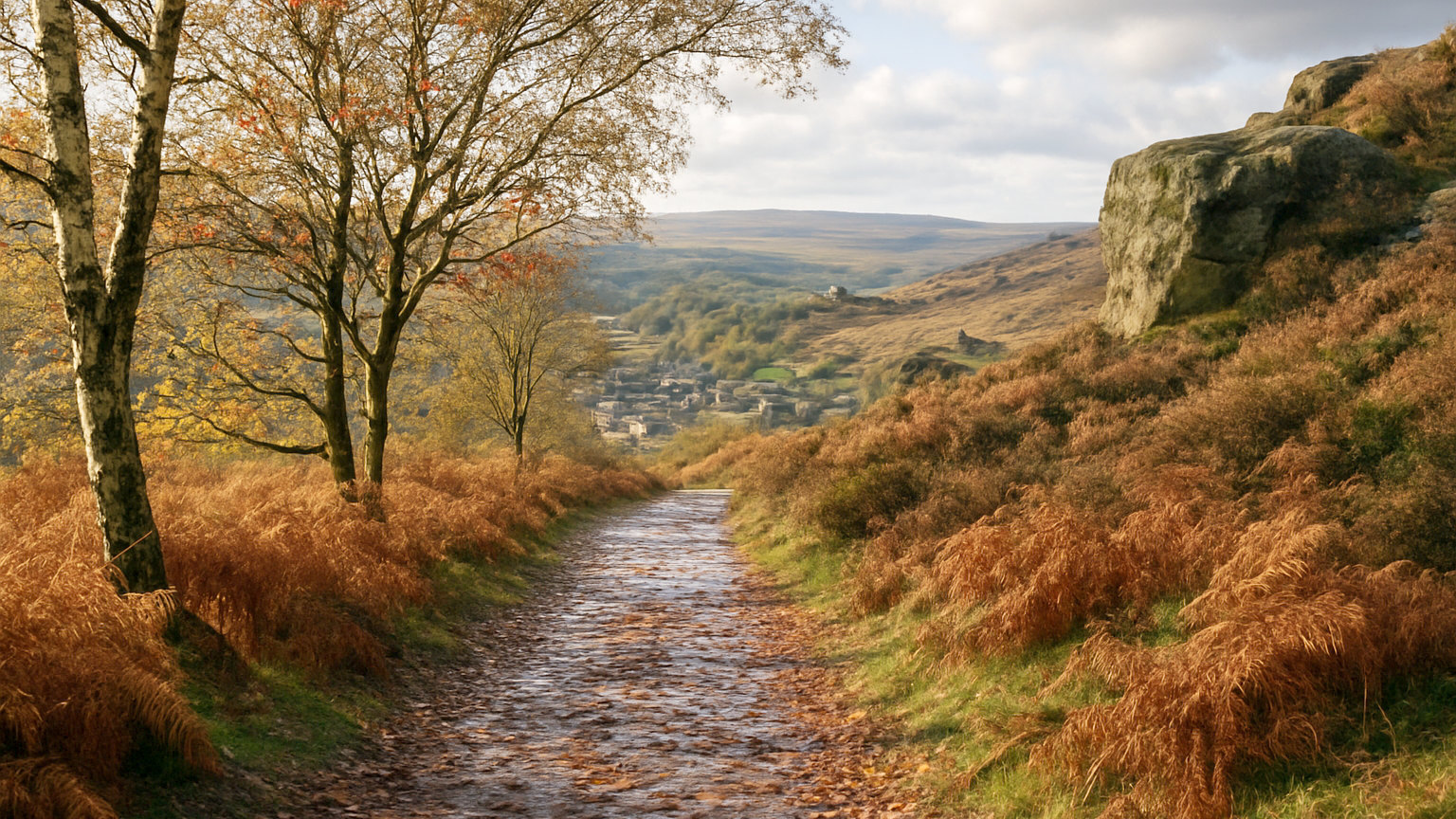
West Yorkshire holds the Brontë parsonage, the moors behind it and a valley that produced two of the century's major poets.
The Brontes wrote from a parsonage on the edge of the Pennine moors, and both survive. What to see at Haworth and on the moor above.
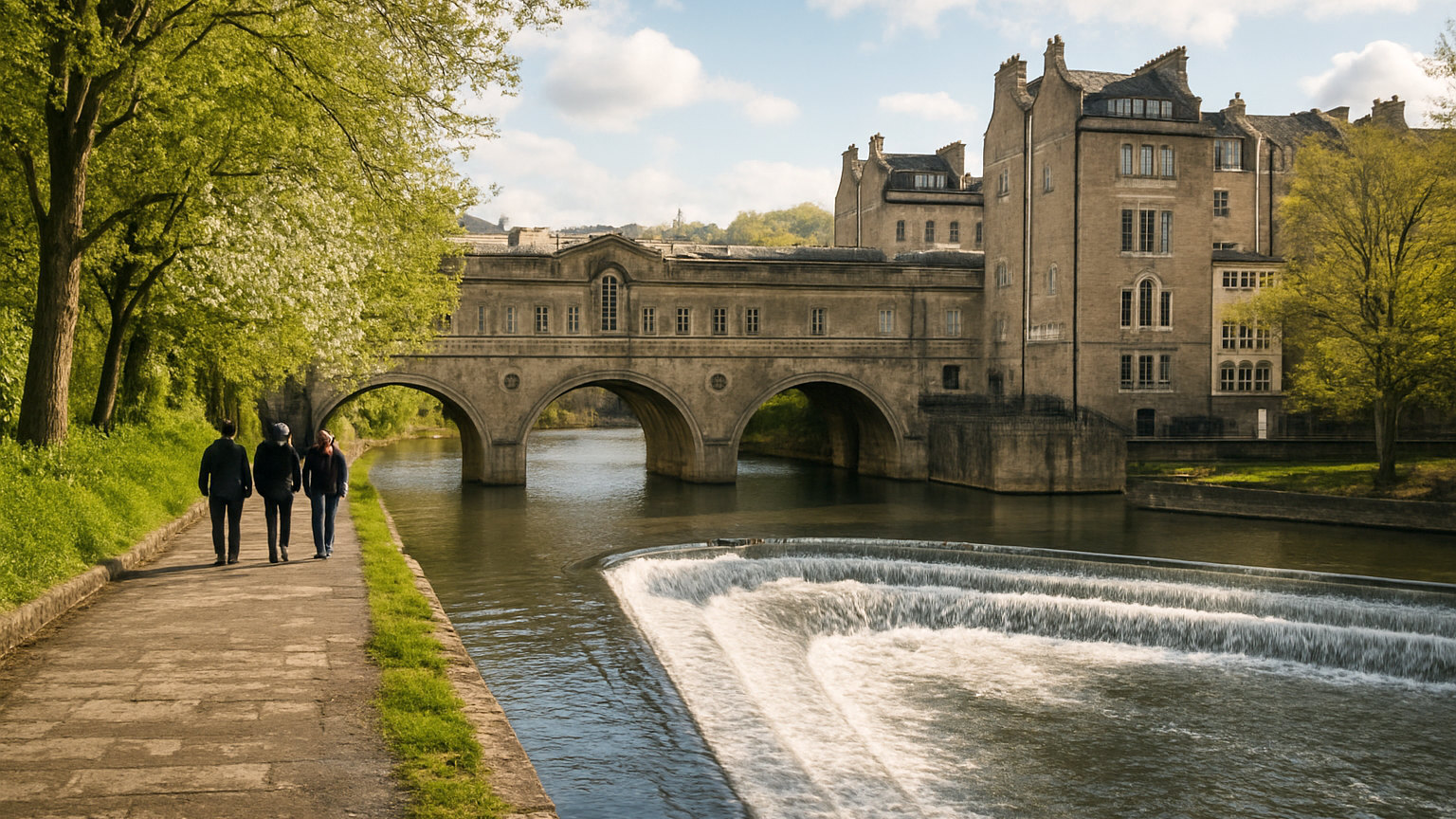
Austen's places are real, walkable and mostly compact. Where she lived, what survives and which locations appear in the novels.
Dorset is Thomas Hardy's Wessex, and the villages, heath and market towns behind the invented names are all still there.
Britain preserves an unusual number of writers' homes, several exactly as they were left. Which are worth visiting and what they show.