What Should You Eat and Drink in Bury St Edmunds?
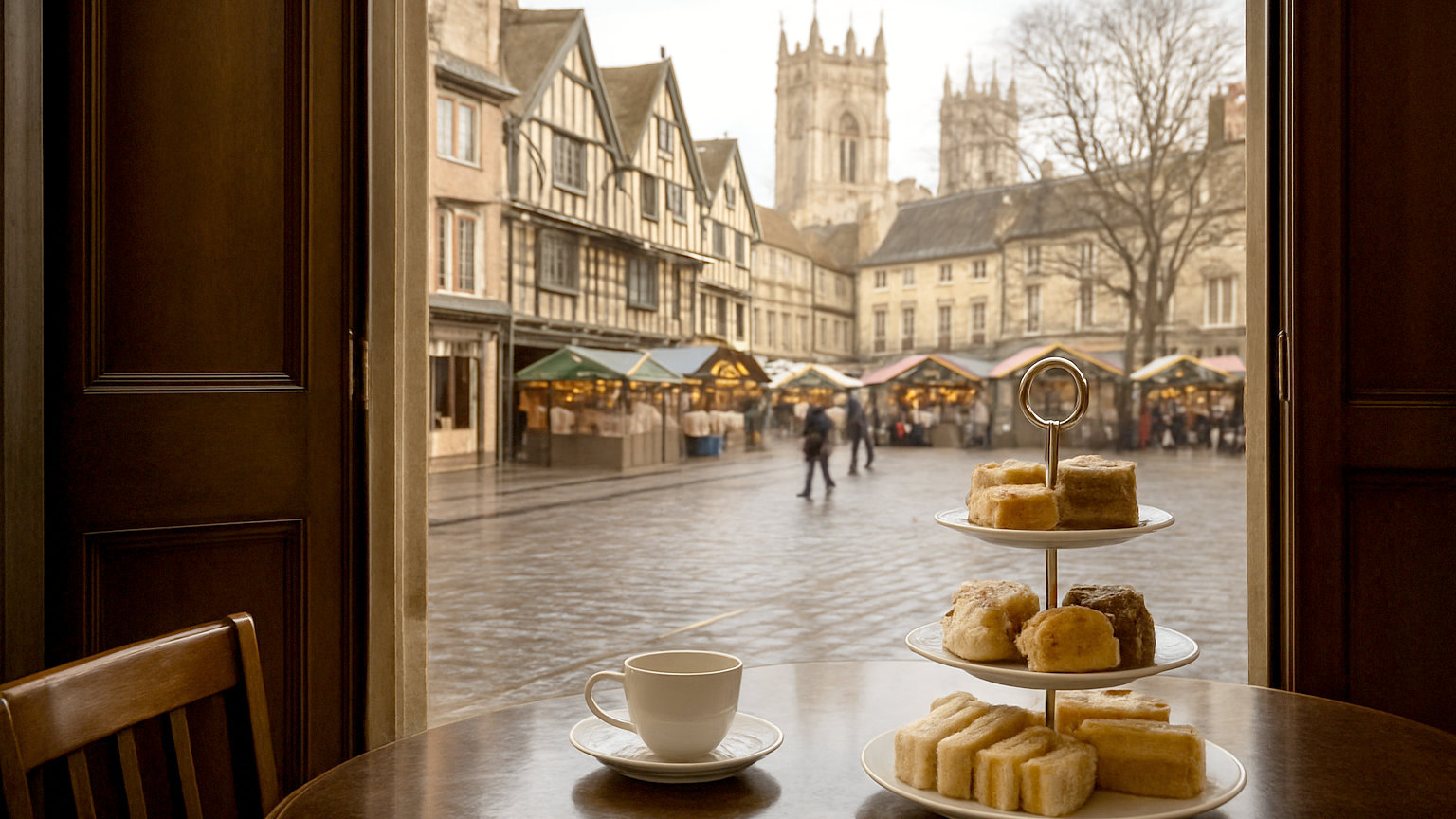
Bury St Edmunds has a brewery in the centre, one of the largest markets in East Anglia and a claim to the smallest pub in Britain.
British food has spent thirty years getting better and about ten of those being written about accurately. These guides cover the regional dishes worth crossing the country for, distillery and brewery tours, the pub with rooms as a category of its own, farm shops and food markets, and how far ahead the restaurants people actually recommend need booking.
Bury St Edmunds has a brewery in the centre, one of the largest markets in East Anglia and a claim to the smallest pub in Britain.
Scottish food goes well beyond haggis and deep fried everything. What is genuinely worth eating, where to find it and what the seafood is like.
Cookery schools across Britain run courses from a single evening to several weeks. What the options are, what they cost and how to choose.
Herefordshire has more cider orchards than any English county, a cattle breed exported worldwide and a quiet food scene. What to seek out.
Certain British foods can only be made in specific places to specific recipes. Which are protected, what it means and why it matters.
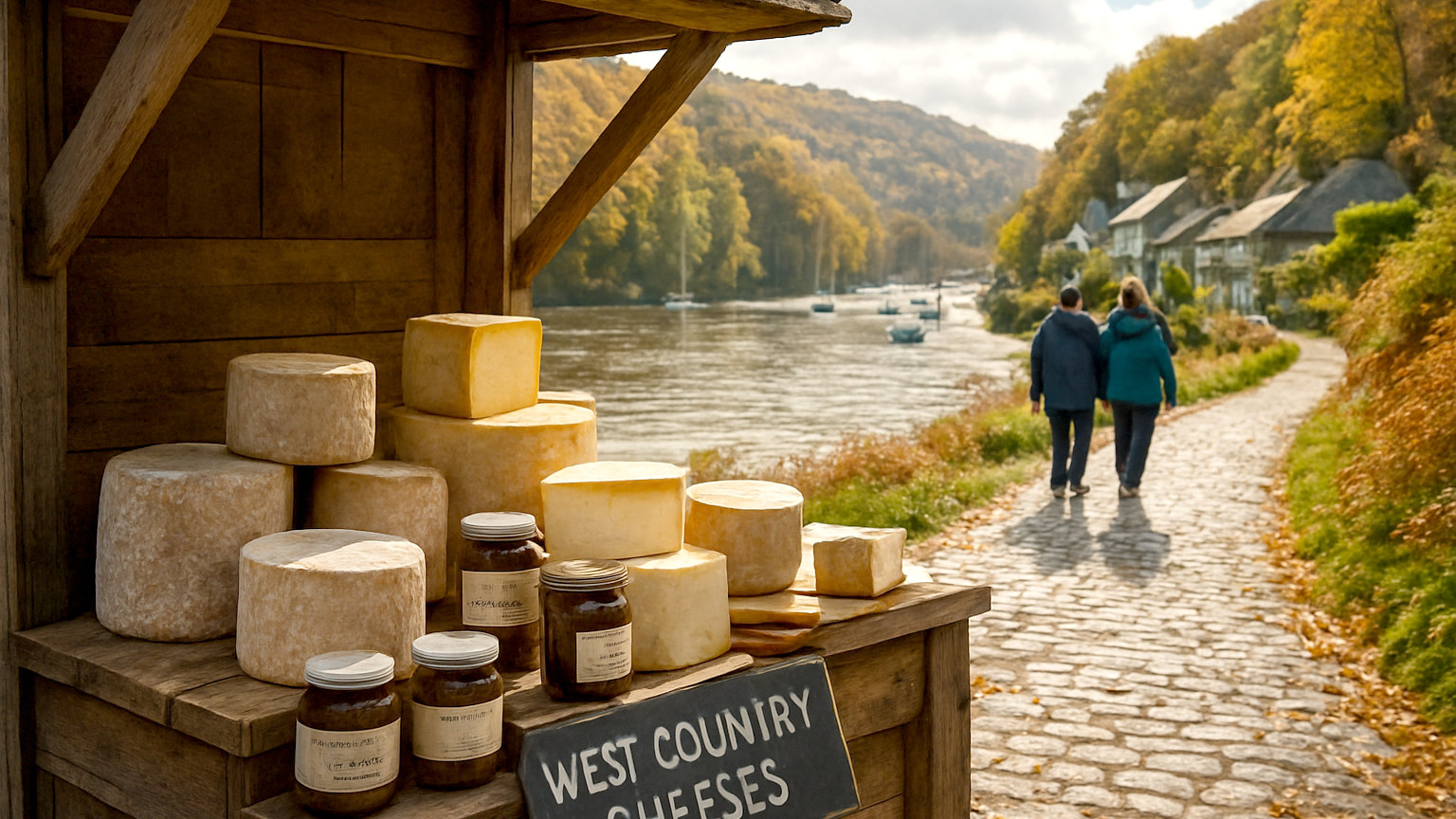
Somerset produces the cheese that carries Cheddar's name and more cider than any other county. What to seek out and where.
The British pub varies from outstanding to dismal within a few streets. What the reliable signals are and how to find the good ones.
Britain has hundreds of food festivals and a handful are genuinely outstanding. Which are worth planning a trip around and what to expect.
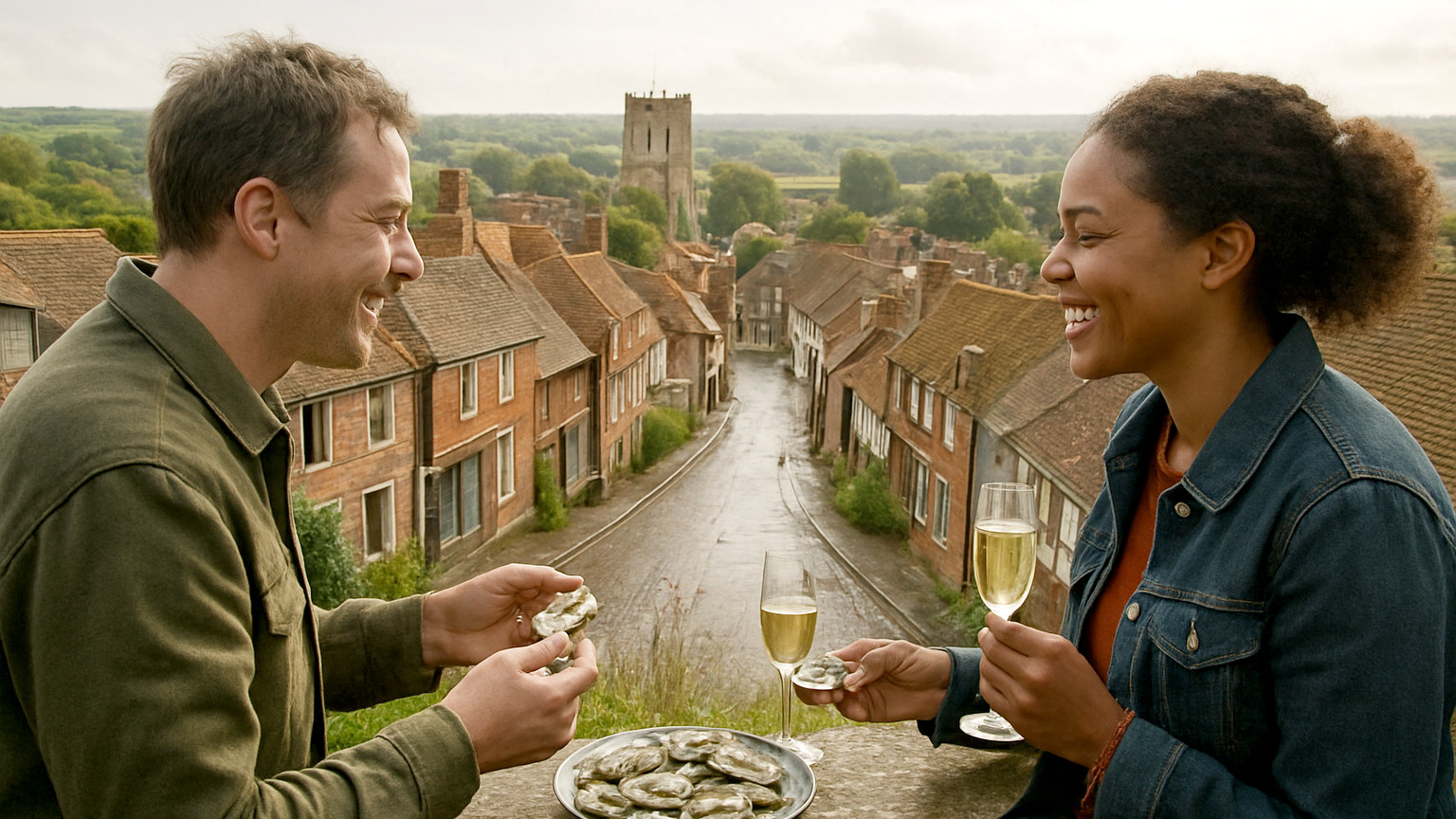
Kent is called the garden of England for good reason, with orchards, hop gardens, oysters and a serious sparkling wine industry.
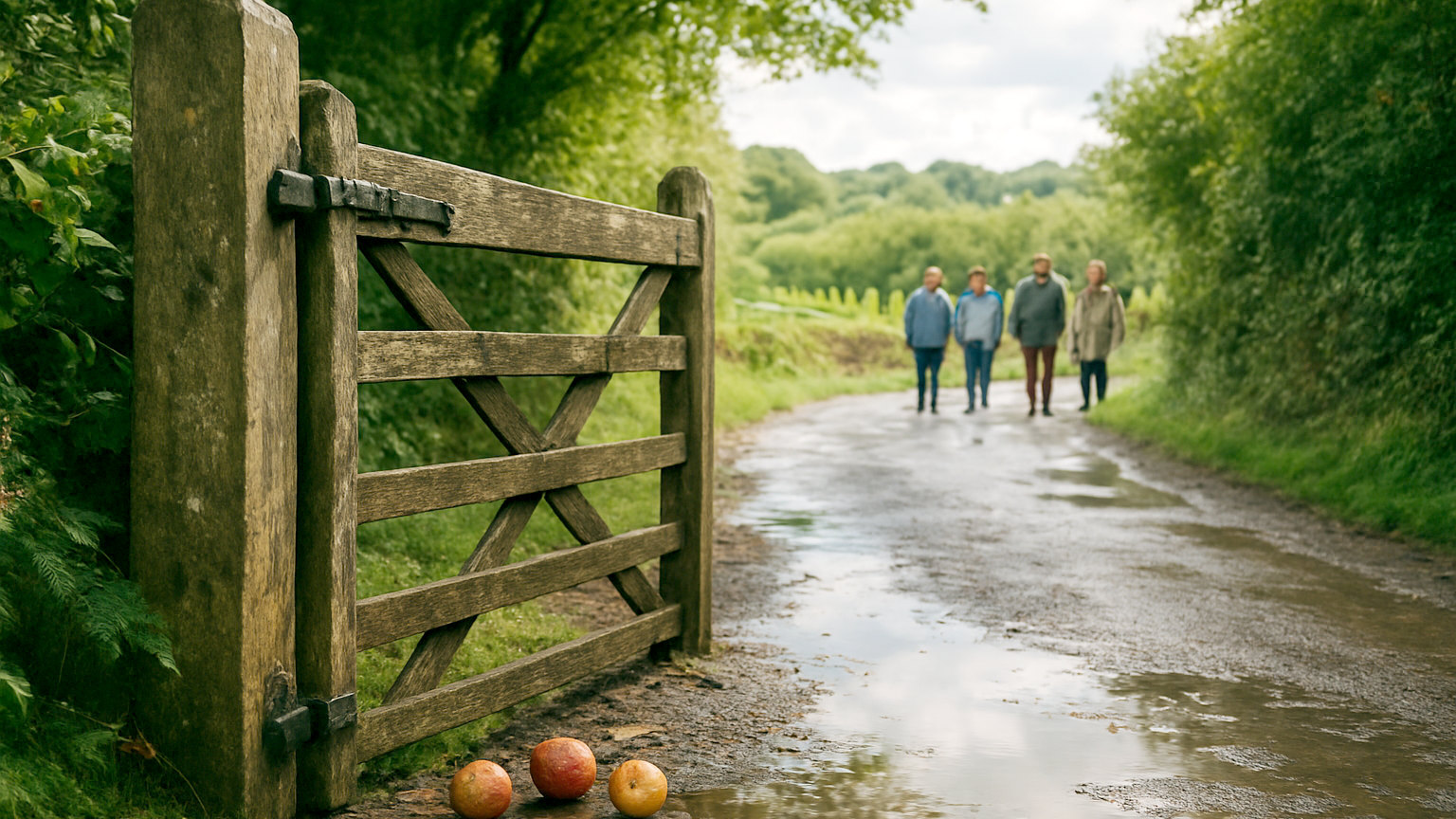
The west of England makes cider from orchards planted for the purpose. What a farm visit involves, how real cider differs and when to go.
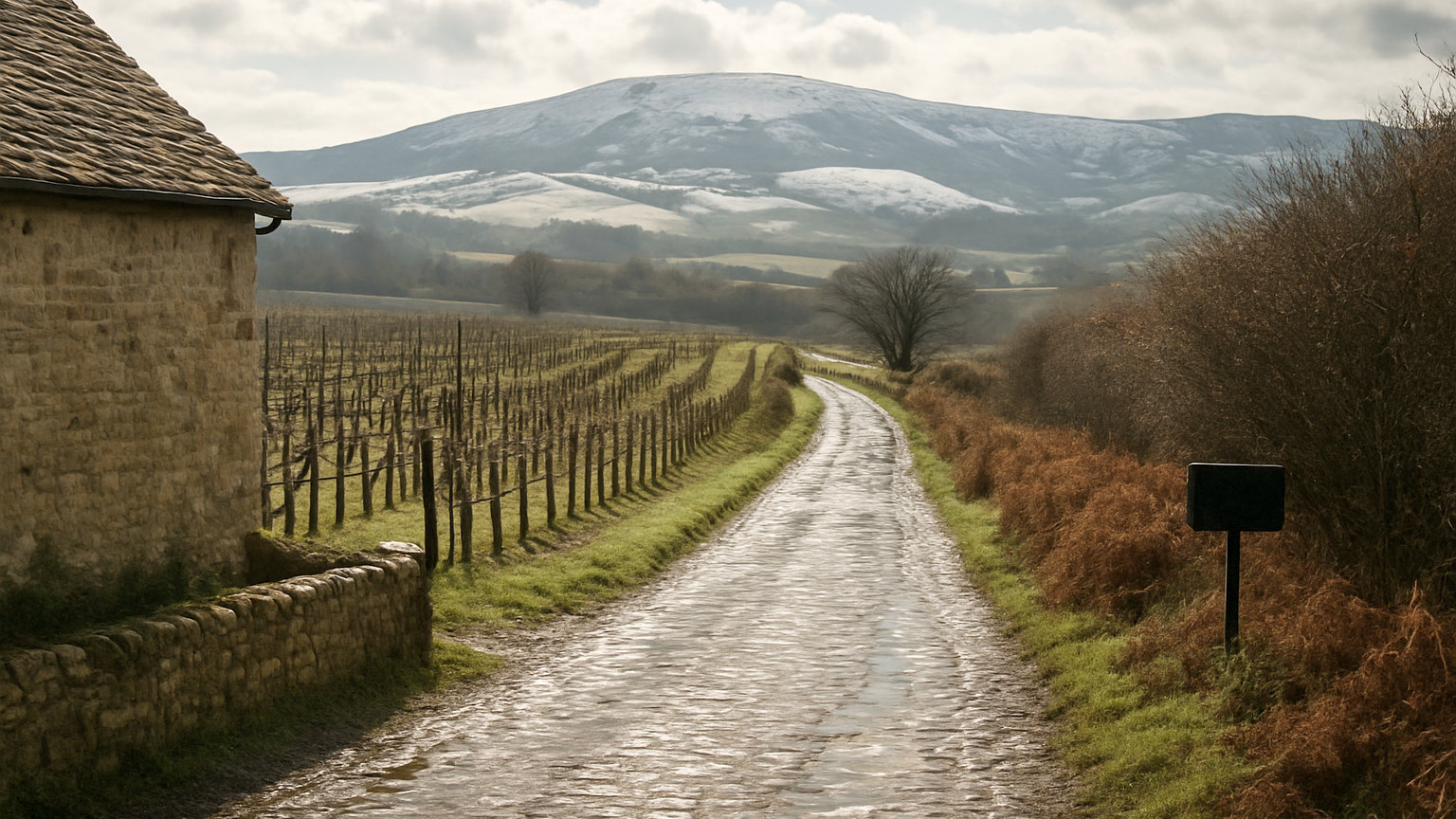
English sparkling wine now wins international competitions and hundreds of vineyards welcome visitors. Where they are and what a tour involves.
Afternoon tea is a Victorian invention that has become a national institution. What it consists of, what it costs and where it is done well.