Stratford upon Avon is a Warwickshire market town that happens to be the birthplace of the most performed playwright in the world, and it has been receiving visitors on that basis for over two centuries. It also has two major theatres, a river and the Cotswolds half an hour away.
What are the Shakespeare houses?
Five properties connected with his family, managed together, including the house on Henley Street where he was born and grew up.
Anne Hathaway's Cottage, the farmhouse where his wife's family lived, is a thatched building with substantial gardens a mile outside the town and is the most attractive of them.
Where is he buried?
In Holy Trinity Church beside the river, under a stone in the chancel, with a memorial bust on the wall above installed within a few years of his death.
The church is a fine building in its own right, approached along an avenue of limes, and asks a small charge to visit the chancel.
What about the theatres?
The Royal Shakespeare Company runs two theatres in the town, a large main house with a thrust stage and a smaller Victorian one, staging his work and other plays through most of the year.
Seeing a play in the town where the writer was born is the reason most people come, and tickets across the price range are worth booking well ahead.
What else is in the town?
A guildhall with a schoolroom where he was almost certainly taught, open to visitors, and the site of his later house with an excavated garden.
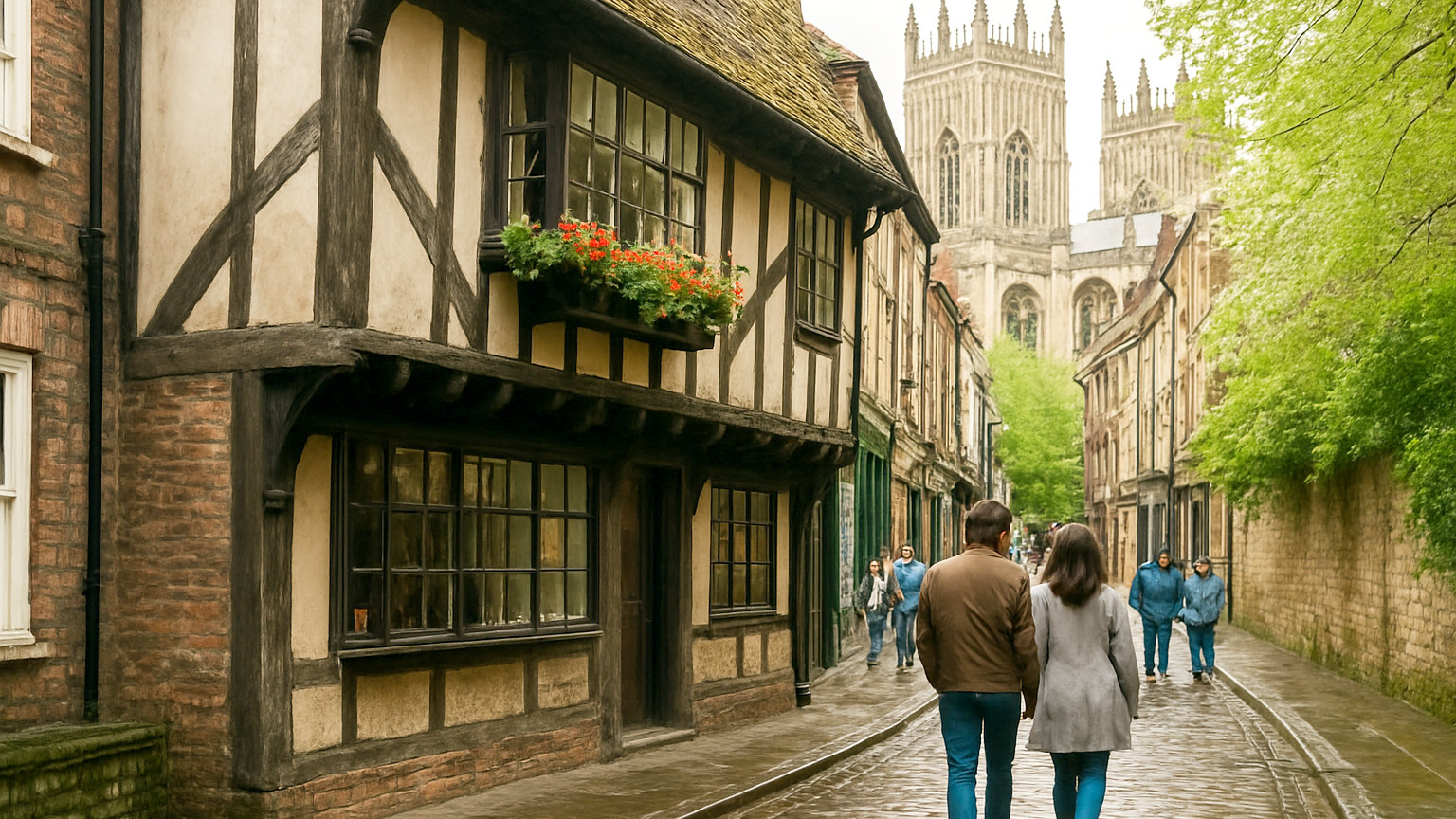
The centre has timber framed buildings, a Georgian core and the usual mixture of independent shops and chains.
What is there on the river?
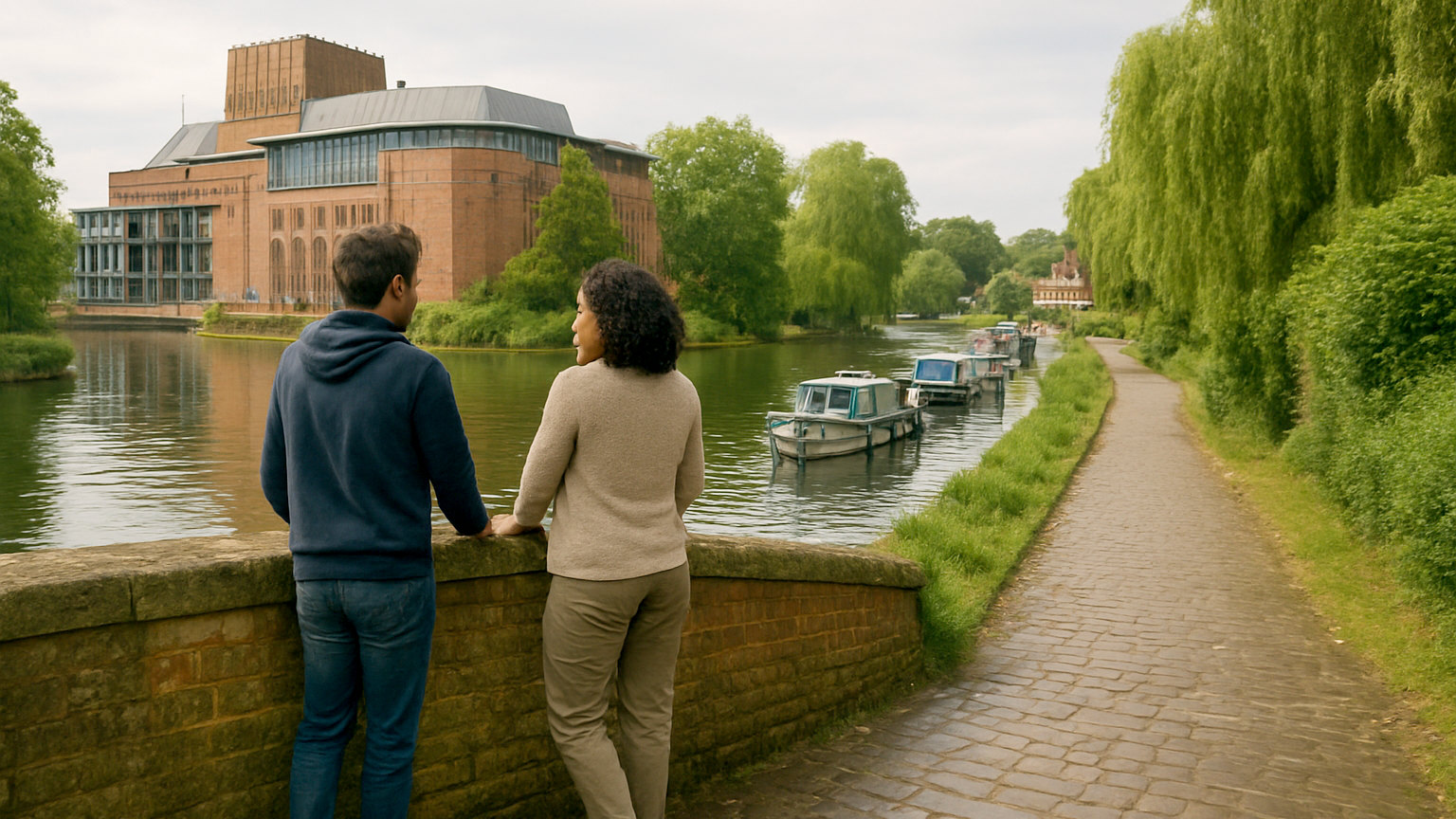
Rowing boats and punts for hire, narrowboats on the canal basin, and a chain ferry crossing to the far bank. The riverside gardens are the pleasantest part of the town.
A walk upstream to the lock and along the canal makes an easy hour.
How busy does it get?
Very, in the middle of the day in summer, with coach parties concentrated around the birthplace and the church.
Evenings are transformed, which is the argument for staying overnight rather than visiting for a day. The town belongs to theatregoers after six.
What is nearby?
Warwick with its castle, fifteen minutes away, and Charlecote, a house in a deer park on the Avon. The northern Cotswolds begin half an hour south.
Chipping Campden, Broadway and the Hidcote and Kiftsgate gardens are all within easy reach.
Where should you eat?
A good range, with several restaurants offering pre theatre menus timed around curtain up, which is the sensible arrangement for a play night.
Booking is necessary on performance evenings, when the town's restaurants fill at the same hour.
Where should you stay?
The town centre for walking to the theatre, or one of the surrounding villages for something quieter with a short drive.
Prices rise with the performance calendar, and a popular production fills accommodation for miles.
How do you get there?
By train from London Marylebone in around two hours and from Birmingham in under an hour, with the station a short walk from the centre.
Parking is available and charged, and the town is small enough that a car is unnecessary once you arrive.
Does it work for a couple?
Well, if the theatre is the point. A play, a good dinner and a morning by the river make a straightforward and enjoyable two nights.
Anyone with no interest in the plays will find a pleasant market town carrying a very heavy tourist load, which is a thinner proposition.
What about the wider Warwickshire area?
Warwick Castle is a major commercial attraction with jousting and shows rather than a quiet historic house, which suits families more than couples. Kenilworth Castle nearby is a substantial ruin with an Elizabethan garden and far fewer visitors. Leamington Spa has Regency architecture and good restaurants twenty minutes away.