Thomas Hardy took a name from Anglo Saxon England, applied it to the south west of his own century and produced one of the most complete fictional geographies in English literature. Wessex is largely Dorset, with parts of the surrounding counties, and the real places are identifiable throughout.
What is Wessex?
A partly fictionalised version of the region, in which real towns and villages appear under invented names. Dorchester becomes Casterbridge, Salisbury becomes Melchester, Weymouth becomes Budmouth.
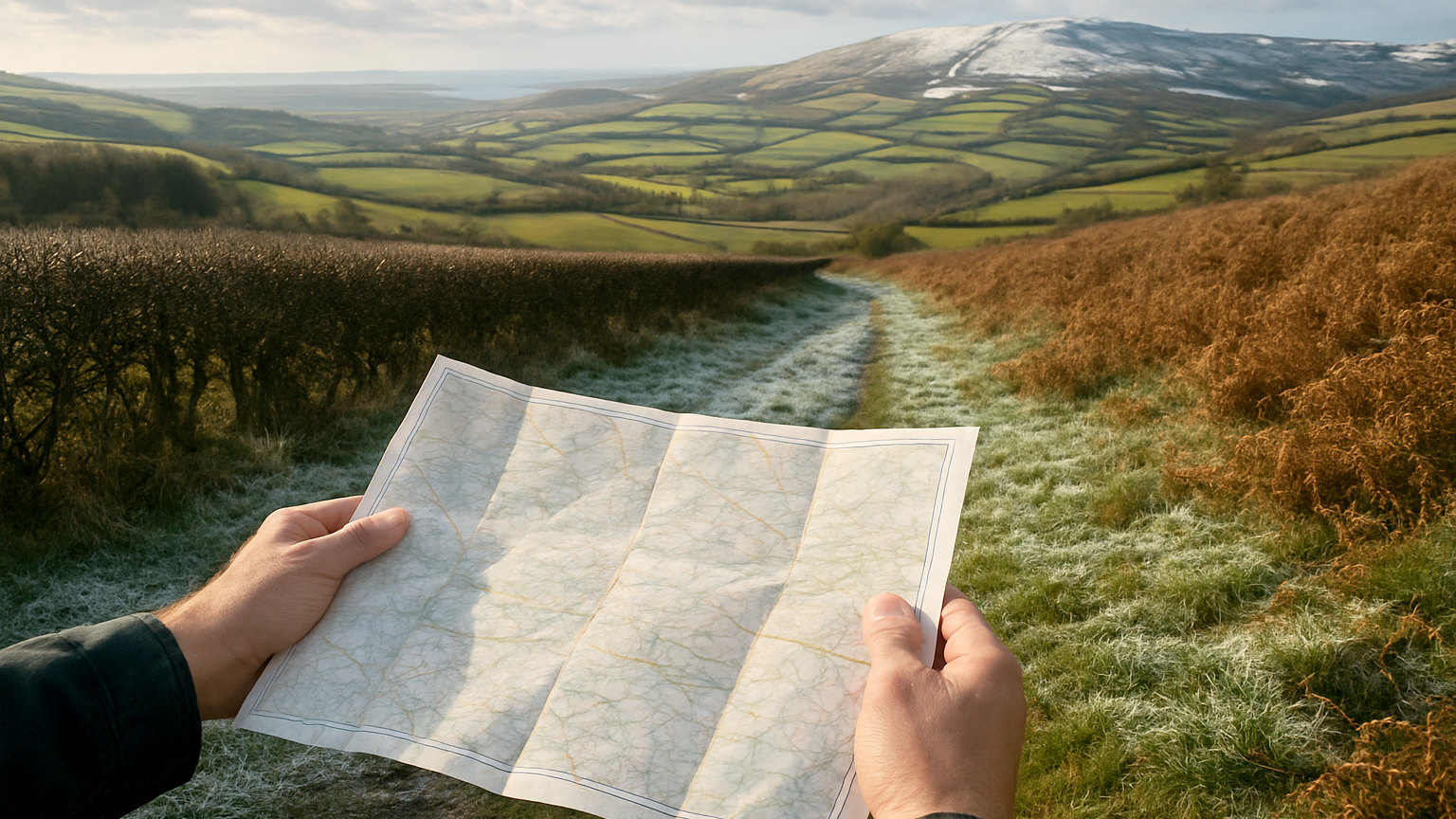
The topography is accurate even where the names are not, which means the novels can be walked with a map.
Where did he live?
Born in a cob and thatch cottage at Higher Bockhampton, on the edge of woodland outside Dorchester, which his great grandfather built and which is now open to visitors.
Later at Max Gate in Dorchester, a house he designed himself as a trained architect and lived in for over forty years, also open.
What is at Dorchester?
The county town, which appears throughout the novels, with several buildings named in them still standing. The county museum holds a substantial Hardy collection including a reconstruction of his study.
The town is small, walkable and retains its Roman street plan and Georgian centre.
What is Egdon Heath?
The great brooding heathland of one of the novels, based on the heaths east of Dorchester, much of which was subsequently planted, farmed or built on.
Fragments survive as nature reserves and are now among the most important lowland heath habitats in Britain, protected for their reptiles and birds.
Which places appear in specific novels?
The Cerne valley, Cranborne Chase, the Marshwood Vale and the Isle of Purbeck all feature. Woolbridge Manor near Wool appears under its own transposed name in one of the best known books.
Stonehenge features in the final pages of another, which is worth knowing before visiting it.
Where is he buried?
In two places, which is unusual. His heart is buried at Stinsford, the parish church of his childhood, in the family plot; his ashes are in Poets' Corner at Westminster Abbey.
Stinsford is a short walk from Dorchester and is the more affecting of the two.
What is the landscape like now?
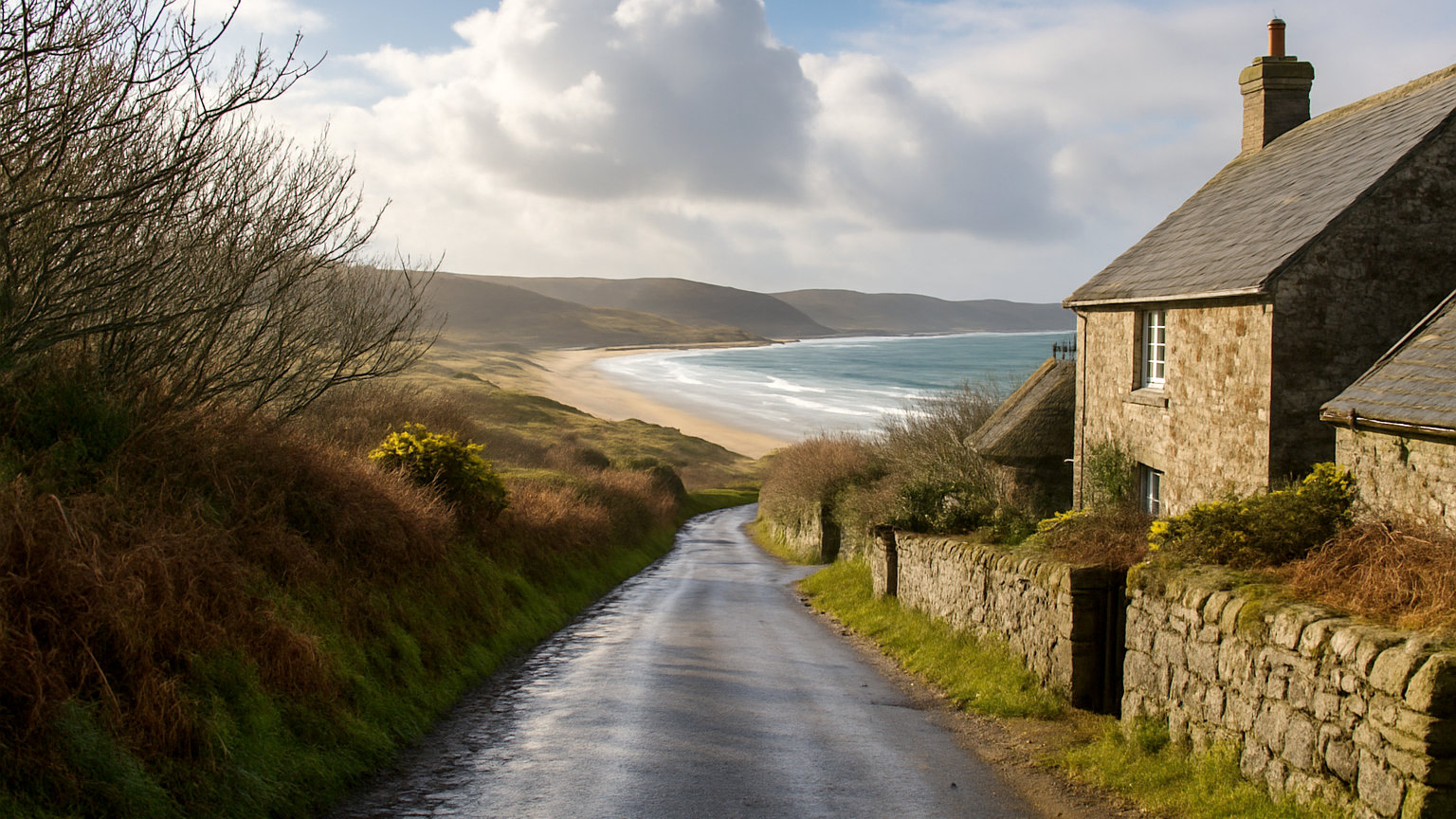
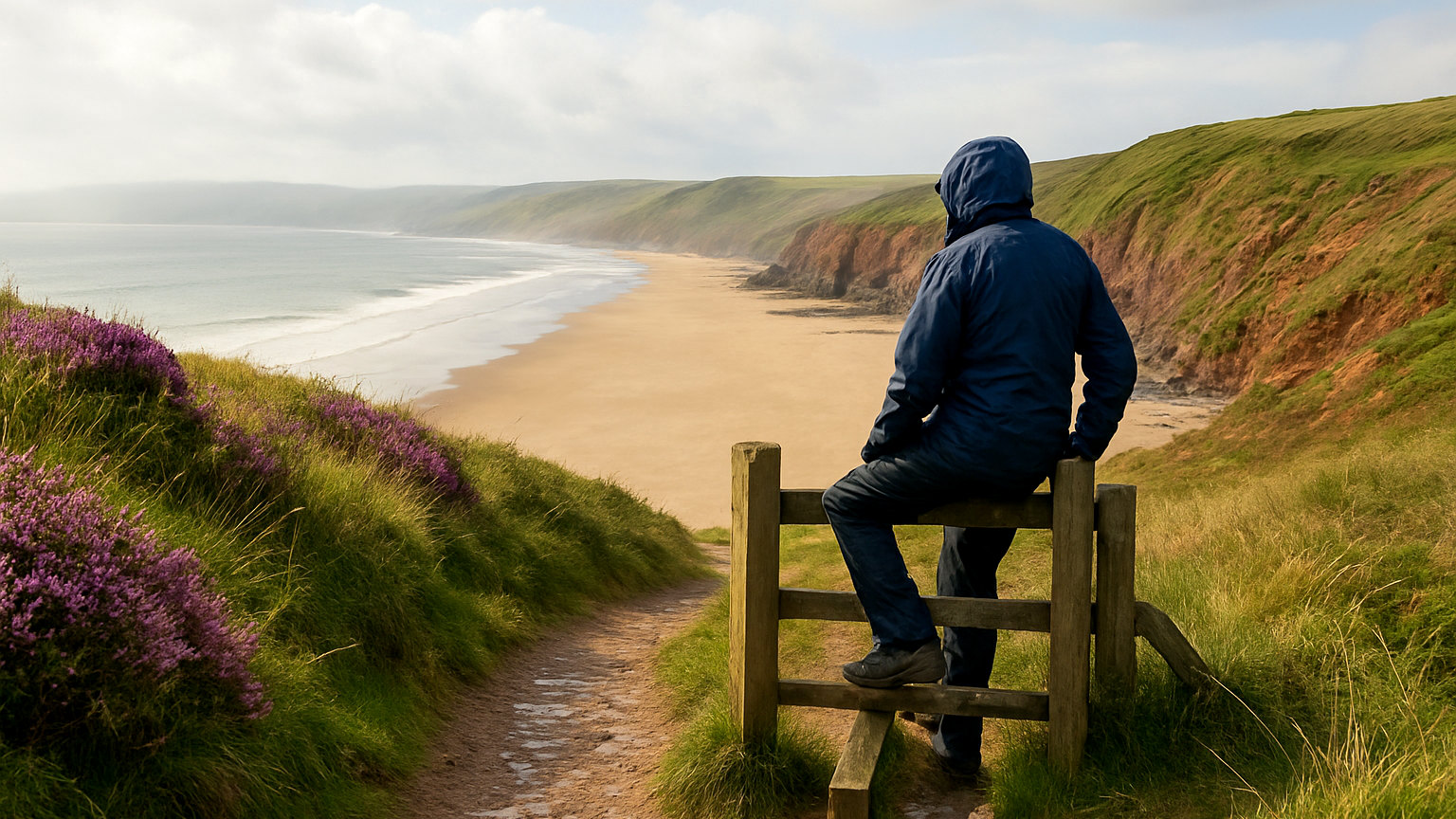
Substantially recognisable. Dorset avoided heavy industry and much of the county remains agricultural, with chalk downland, hidden valleys, heath and a spectacular coast.
The field patterns, lanes and villages of the novels are still legible, which is not true of most nineteenth century literary landscapes.
What was he writing about?
Rural society under pressure from mechanisation, migration and the collapse of old certainties, alongside personal fate and the constraints of class and marriage.
The pessimism that dominates the later novels caused enough public objection that he abandoned fiction for poetry, which occupied his final thirty years.
How should you visit?
Base yourself in Dorchester for two or three nights and cover the cottage, Max Gate, Stinsford and the museum on foot or with short drives.
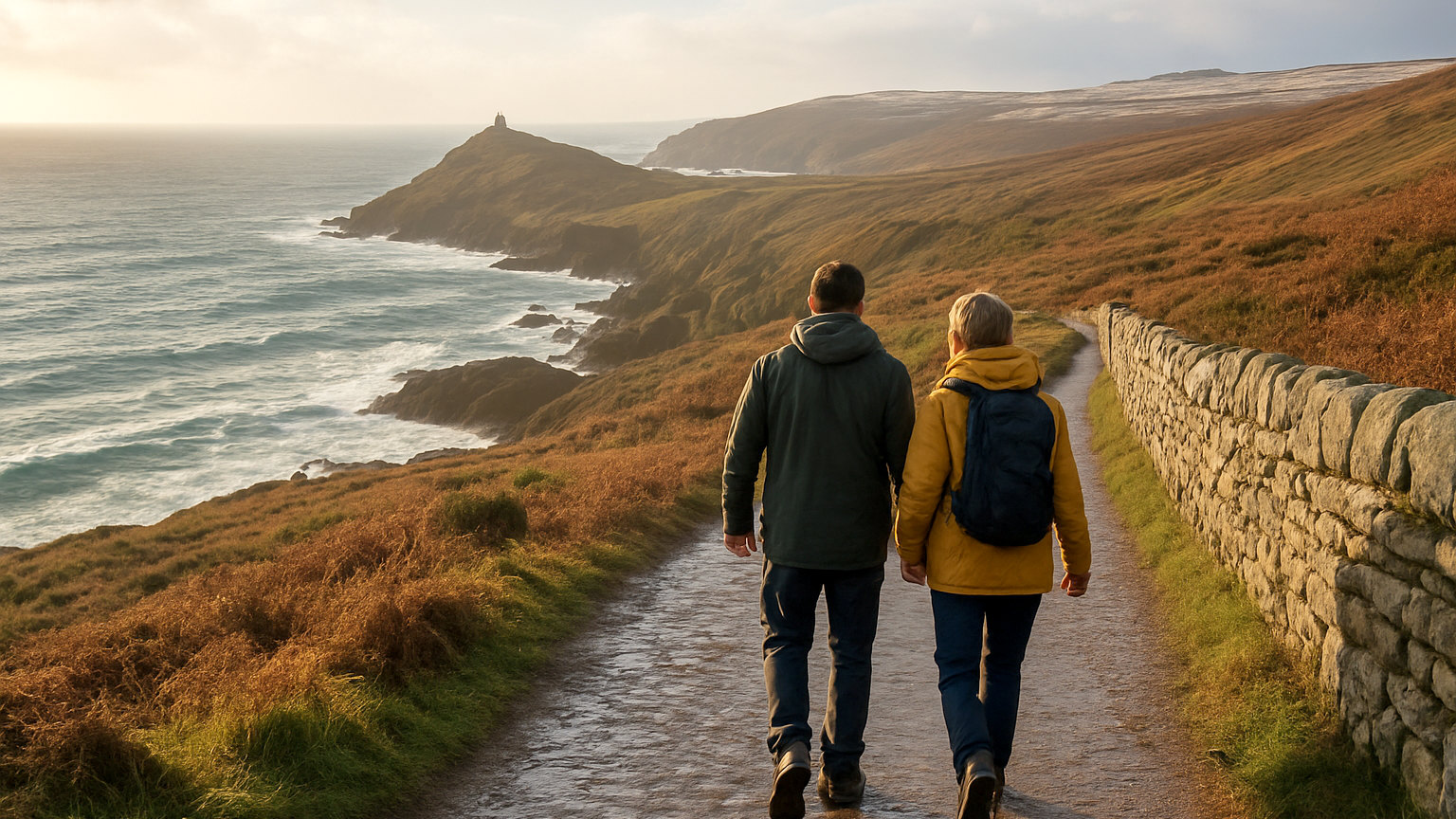
Then walk. The heath fragments, the chalk ridge and the coast are all within reach, and the novels make far more sense outdoors than in a museum.
When should you go?
Late summer and autumn, which is when much of the agricultural action in the novels takes place and when the landscape looks most as described.
The houses have a limited winter season, though the countryside is open all year and Dorset in January is very quiet indeed.
What about his poetry?
He regarded himself primarily as a poet and wrote verse for far longer than he wrote fiction, publishing several substantial collections after abandoning novels. Much of it concerns the same Dorset places, and the poems written after his first wife's death are among the most admired in English. Anyone visiting Stinsford or the coast will find the poems more specific to those spots than the novels are.
One further practicality: the two Hardy houses are managed by a conservation charity with a limited season and timed entry at the cottage, which is reached on foot through woodland from the car park. Allow more time than the distance suggests, and check opening days before travelling.