A battlefield is usually a field, and that is the difficulty. Without interpretation there is frequently nothing to see, and visitors arriving expecting a monument find agricultural land and a plaque. The good sites solve this, and where they do the effect can be genuinely powerful.
What makes a battlefield visit work?
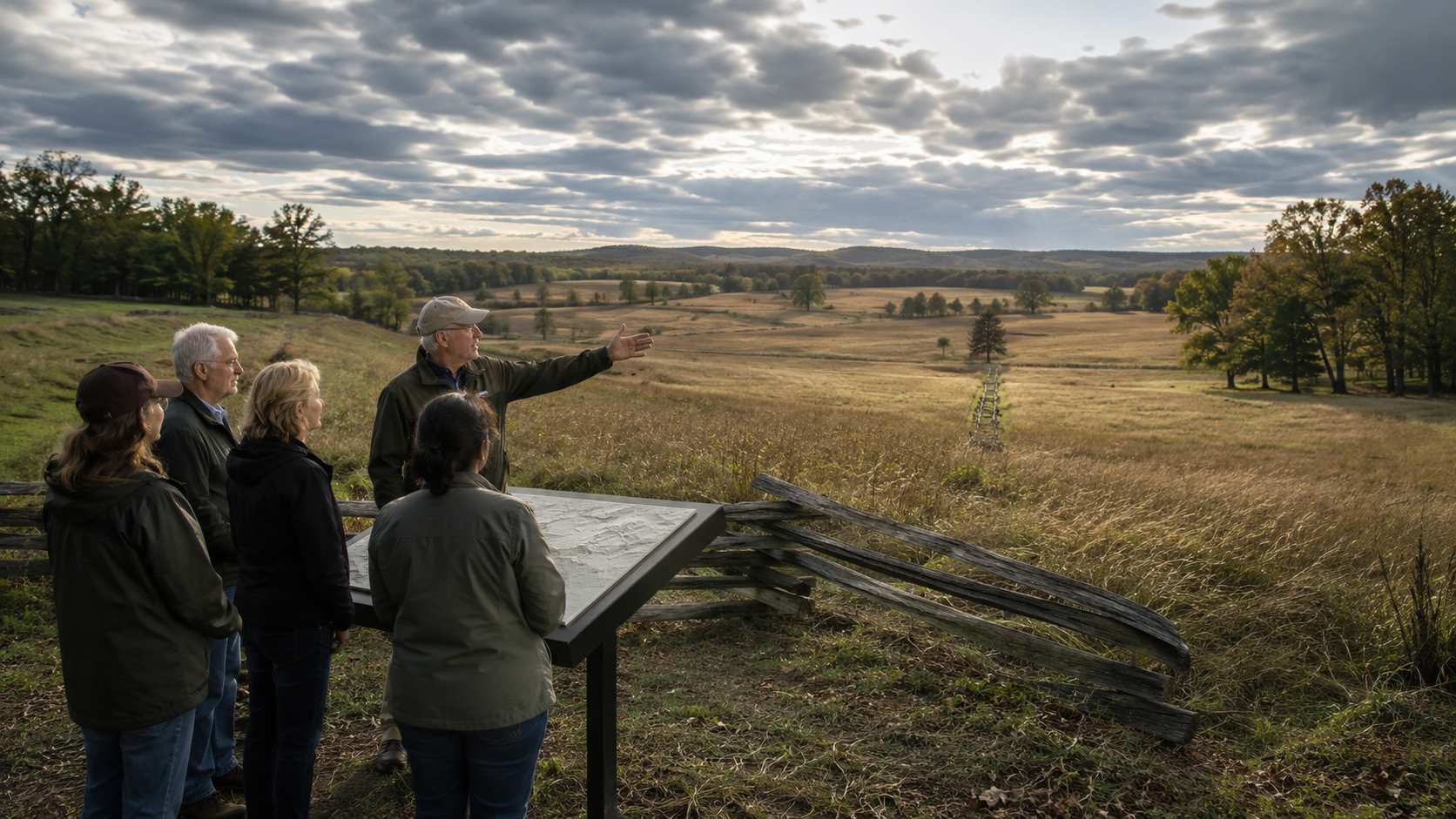
Interpretation that lets you read the ground: where each side stood, why the terrain mattered, and what you would have seen from a given point. Without that, the landscape is illegible.
It also helps enormously if the ground is substantially unchanged. Several important British battlefields now lie under motorways, housing or airports, which removes most of the value of standing there.
Which sites do it best?
Culloden near Inverness, where the moor has been restored towards its 1746 condition, the lines are marked with flags and the visitor centre is among the best in Britain. It handles a difficult and contested history seriously rather than romantically.
Bosworth in Leicestershire, where the location was revised following archaeological work and the interpretation reflects that. Bannockburn near Stirling, which uses digital reconstruction to explain a site now partly built over.
What about Hastings?
The site at Battle in Sussex is well presented, with the abbey founded on the spot afterwards and the high altar reputedly placed where Harold fell. The terrain is legible and the slope that shaped the fighting is still obvious.
It combines a battlefield walk with a substantial ruined abbey, which makes for a fuller visit than most battle sites manage.
Which are worth visiting without a centre?
Towton in Yorkshire, the largest battle ever fought on English soil, marked by a cross and a walk across the fields, which on a cold day conveys something no exhibition could.
Naseby, Marston Moor and Flodden all have modest interpretation and unchanged ground. These suit visitors who have read about the battle beforehand and want to stand where it happened.
What should you do before going?
Read enough to know roughly what happened and who was where. A battlefield is the one heritage site where preparation makes the entire difference, because the landscape gives you nothing on its own.
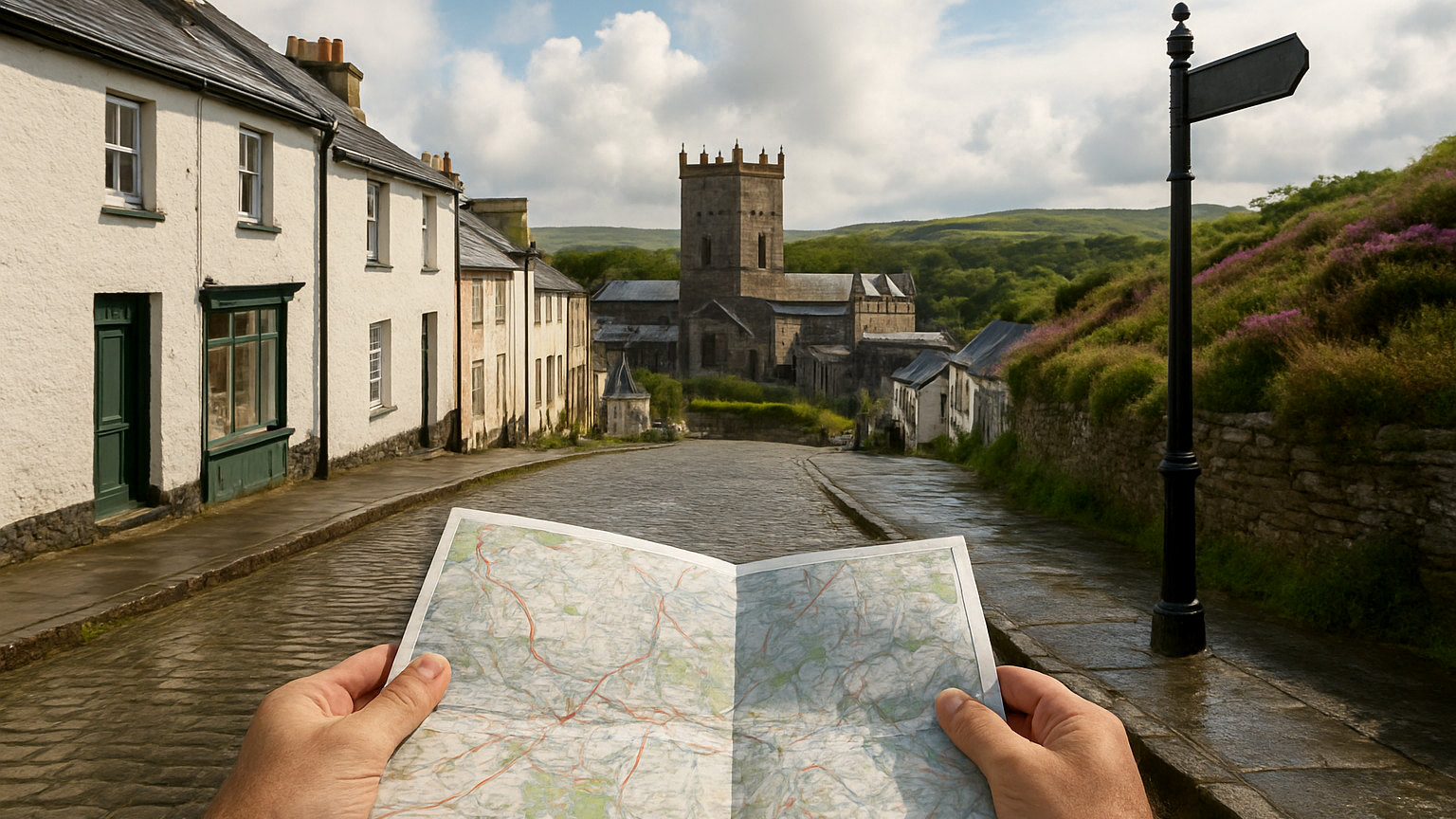
Take a map or the site's own trail guide, and allow time to walk rather than viewing from a car park.
How are these sites treated now?
More carefully than they once were. Registers of historic battlefields exist in England and Scotland, giving a degree of protection from development, and archaeological survey has revised the accepted location of several battles.
Many are also war graves in effect, with the dead buried where they fell, and are treated as such. Metal detecting is prohibited or strictly controlled at registered sites.
How should visitors behave?
As at any burial ground. These are places where large numbers of people died, several within living memory of communities that still commemorate them, and Culloden in particular carries continuing significance for many.
Stay on marked paths, respect memorials and any request not to photograph particular features, and remember that much of the land is farmed and privately owned.
Which suit families?
Those with a visitor centre and an activity trail: Culloden, Bosworth, Bannockburn and Battle all work reasonably well for older children, particularly where there is armour to handle or a re enactment on.
Bare fields with a plaque do not, and taking children to one is a short and unrewarding visit.
Are they worth it?
With a good centre and some preparation, yes, and a well interpreted battlefield can convey the reality of an event more directly than any museum. Standing on Culloden moor in bad weather is not something people forget.
Without either, a battlefield is a field, and there is no shame in reading about it instead.
When should you visit?
Ideally on the anniversary or in the season the battle was fought, when the light, the weather and the state of the ground are closest to what the participants experienced. Culloden in April and Towton in a March snowstorm convey something a summer afternoon does not. Several sites hold commemorations on the anniversary, which are worth attending and worth approaching with appropriate respect rather than as an attraction.