Dorset is more thoroughly mapped by one writer than almost any English county. Thomas Hardy renamed it Wessex, gave invented names to real towns and villages, and set fourteen novels and hundreds of poems in a landscape you can still walk through and recognise.
Where was Hardy born?
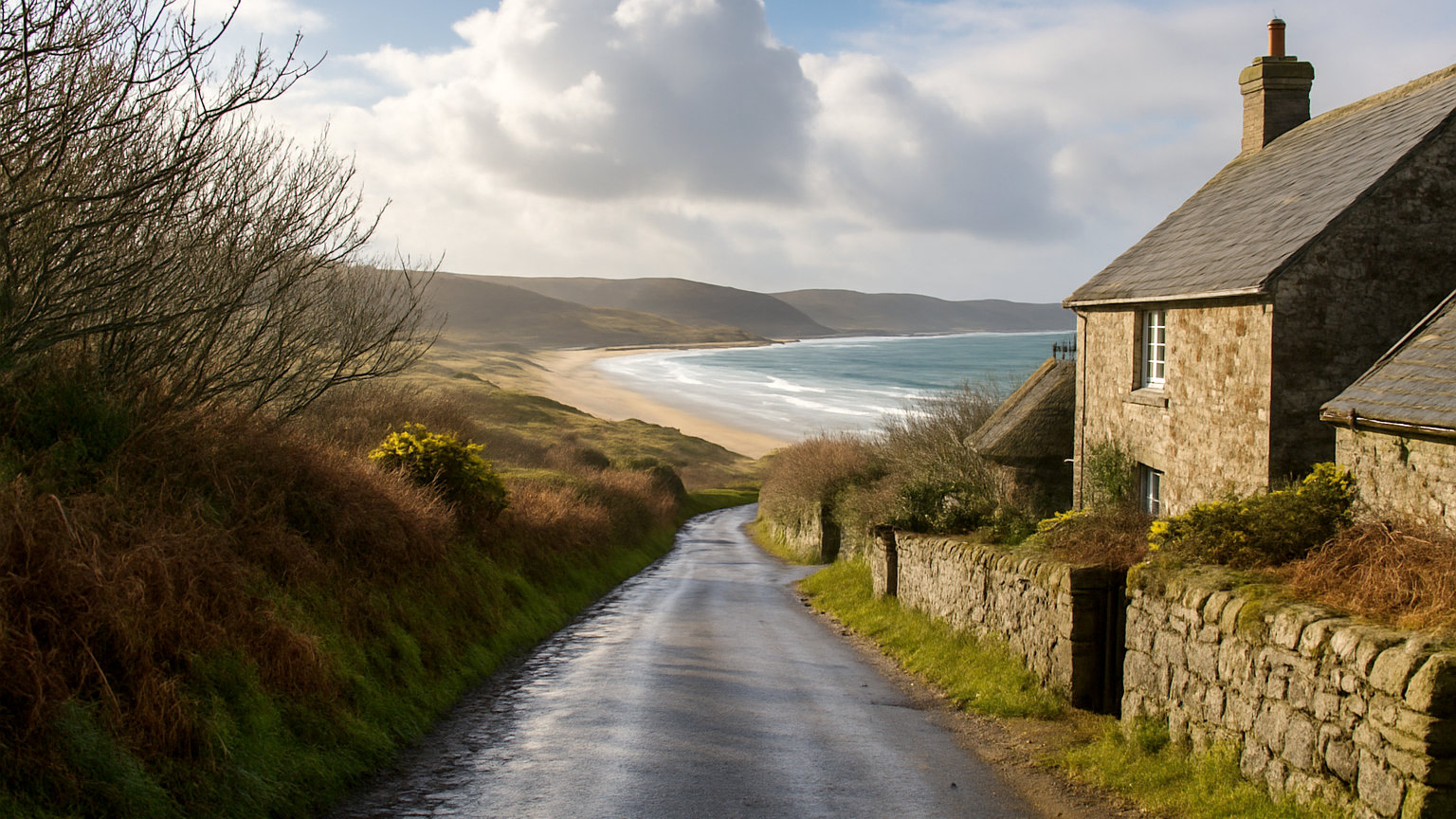
In a cob and thatch cottage at Higher Bockhampton, built by his great grandfather at the edge of the heath, which is now open to visitors and reached on foot through woodland.
He wrote his first two published novels there. The approach walk matters, since the cottage sits at the end of a track rather than beside a road.
What is Max Gate?
The house he designed himself and had built on the edge of Dorchester in 1885, where he lived for the rest of his life and wrote most of his poetry.
It is open seasonally and furnished in part. Both houses are managed by the same conservation charity and a combined ticket covers them.
Where is he buried?
In two places, which is unusual. His ashes are in Westminster Abbey and his heart was buried in the churchyard at Stinsford, beside his family.
Stinsford is a small parish church a short distance from Dorchester and is the more affecting of the two.
What are the real place names?
Dorchester is Casterbridge, the setting of the novel about its mayor, and the town's streets, the Roman amphitheatre and the walks along the water meadows all appear.
Puddletown, Bere Regis, Sturminster Newton, Shaftesbury and Cerne Abbas all carry invented names in the books, and published guides map the correspondences.
What was Egdon Heath?
The great tract of heathland behind Bockhampton, which dominates one novel entirely and which Hardy treated almost as a character.
Much of it was ploughed or planted in the twentieth century, but substantial fragments survive as nature reserves and give a genuine sense of it.
What is at the Dorset Museum?
The largest collection of Hardy material anywhere, including a reconstruction of his study at Max Gate with his own furniture and books.
The museum in Dorchester also covers the county's archaeology and the Jurassic Coast, and was substantially rebuilt in recent years.
What happened at Lyme Regis?
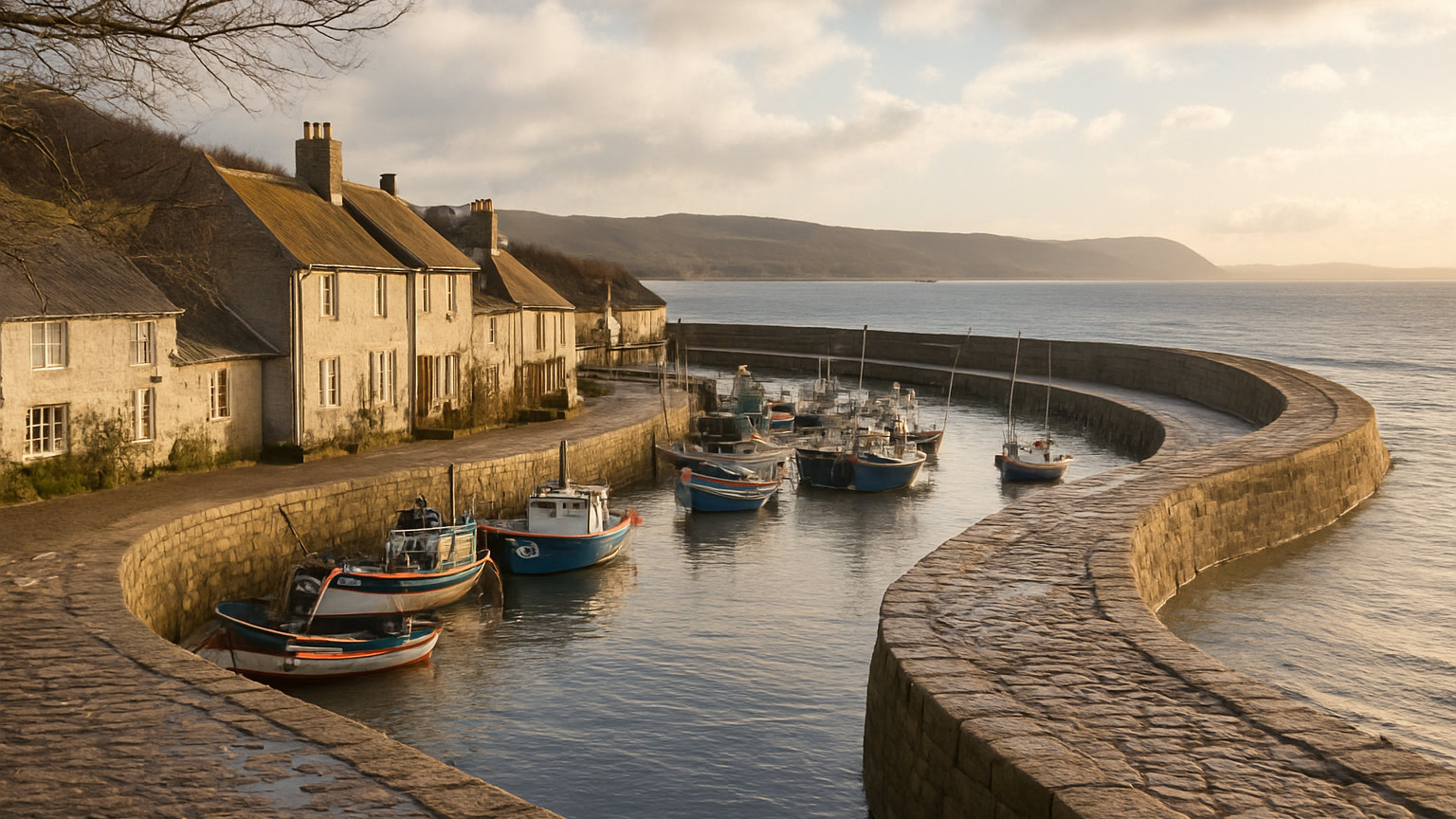
Two writers of different centuries used the same seafront. Jane Austen set a crucial fall on the Cobb, the curving stone harbour wall, in one of her novels.
John Fowles, who lived in the town, opened a novel of his own with a figure standing on the same wall, and it was filmed there.
What about the Purbeck coast?
Enid Blyton holidayed at Swanage for decades and the Purbeck landscape, including a ruined castle on a gap in the hills, fed into her children's adventure stories.
The area is straightforward to visit, with a steam railway running to the castle village.
Are there walking routes?
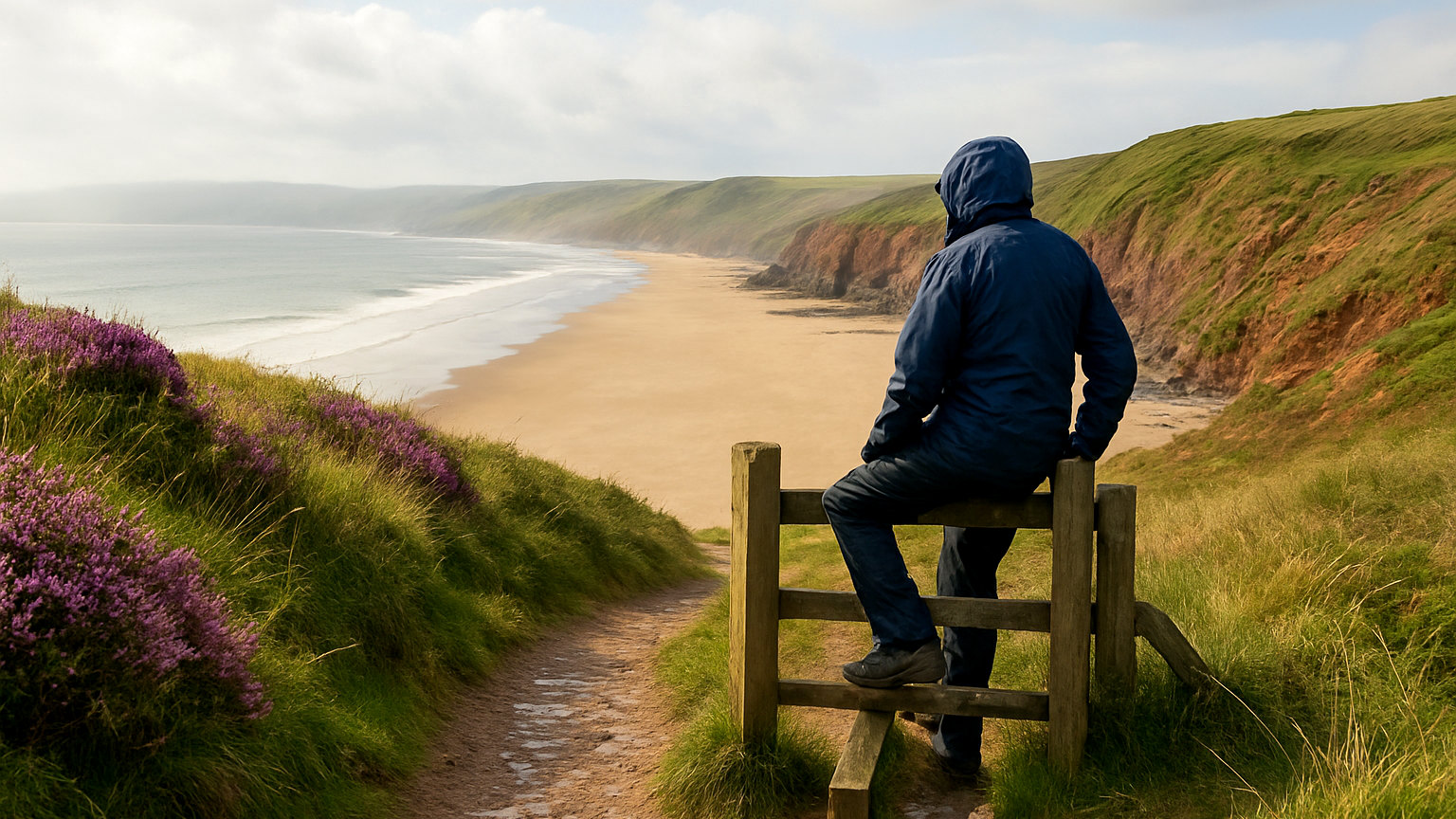
Yes. The Hardy Way is a long distance path of around two hundred miles linking places in the novels and his life, walkable in sections.
Shorter marked walks run from Dorchester to Bockhampton and Stinsford, which covers the essential sites in a day on foot.
What else is in the county?
The Jurassic Coast, the chalk figure above Cerne Abbas, Sherborne with its abbey and two castles, and Corfe Castle in its gap.
Poole harbour, the Purbeck cliffs and a great deal of empty chalk downland inland.
When should you go?
Late spring and early autumn. The heath is at its best in August when the heather flowers, and the coast is warmest in September.
Dorset has no motorway and is slow to cross, so allow more time than the distances suggest.
How do you get there?
By train from London Waterloo to Dorchester and Weymouth in around two and a half hours, with a separate line to Poole and Bournemouth.
A car is needed for the villages and the heath, which are thinly served by buses.