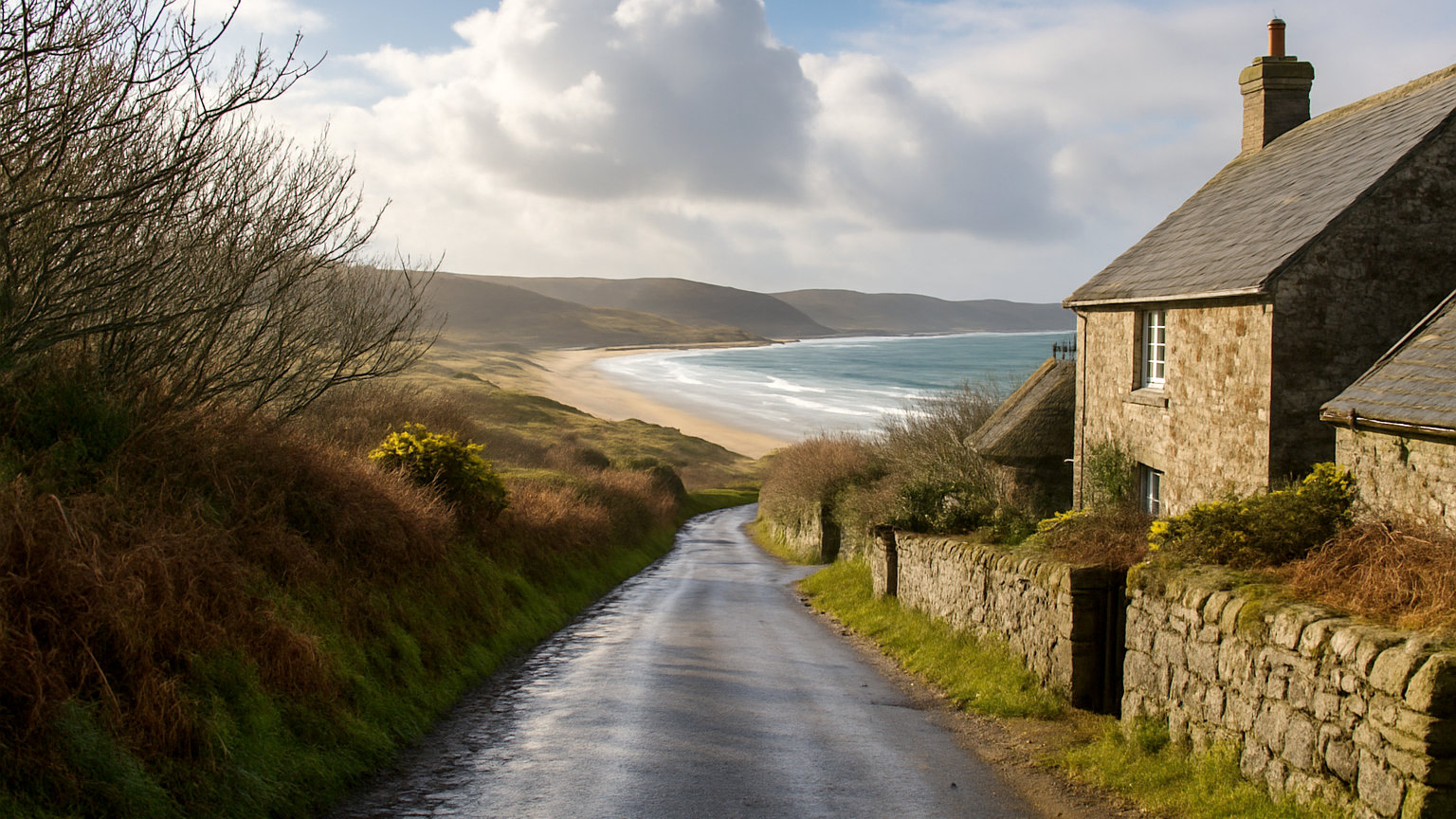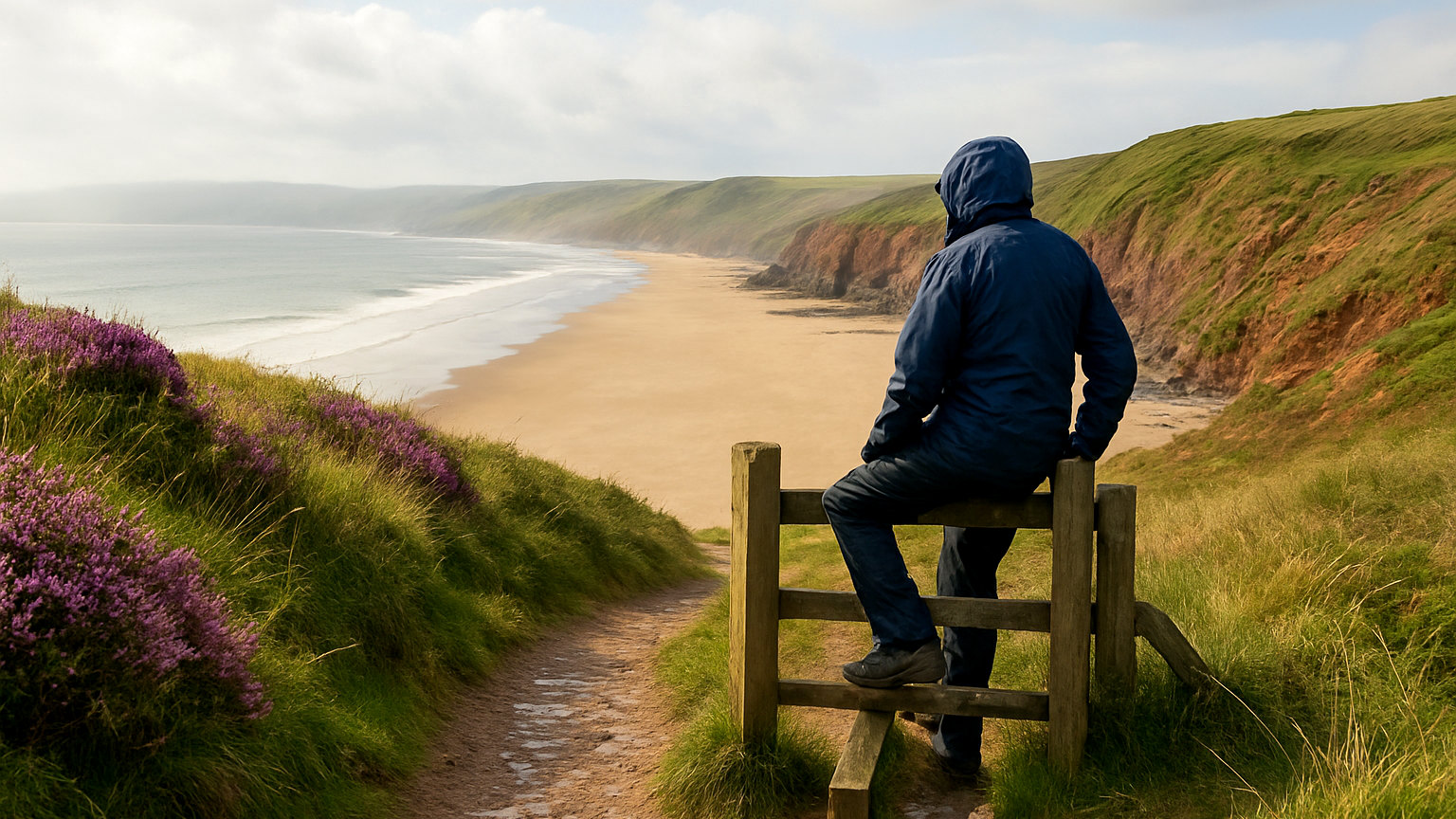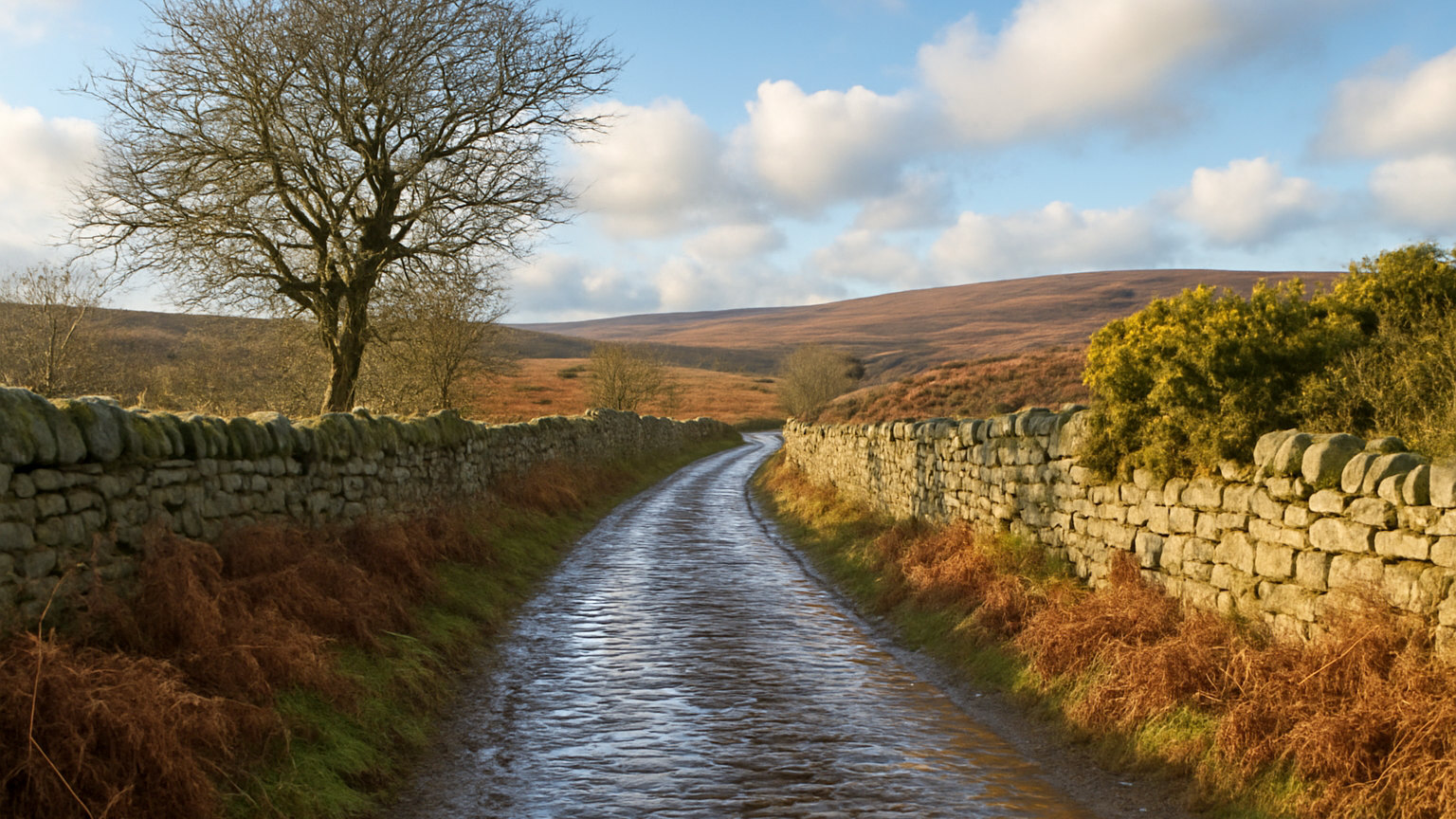
The most useful thing to understand about British travel is that the season changes a destination more than the destination differs from its neighbours. The same village in August and February is effectively two places, and choosing between them matters more than choosing between villages.
What actually changes?
Five things: how many people are there, what is open, how much daylight you have, what the landscape looks like and what it costs.
Weather changes least of all, which surprises people. British weather is variable in every month and a wet week in July is entirely possible.
How much do visitor numbers vary?
Enormously and unevenly. A honeypot village might hold a few hundred people on a February weekday and several thousand on an August Saturday, on the same streets.
Quiet regions barely change at all, which is another argument for choosing them if a specific date is fixed.
What closes and when?
The season for most attractions runs roughly from March or Easter to the end of October. Country houses, gardens, smaller museums and seasonal ferries all follow it.
In coastal towns without a resident population, a substantial proportion of accommodation and food closes between November and Easter.
How does the light differ?
Completely. Midsummer gives sixteen to nineteen hours of daylight depending on latitude; midwinter gives six to eight. That changes how many things a day holds more than anything else.
Quality also differs. Low winter and autumn sun rakes across landscapes and buildings in a way that midsummer overhead light does not, which is why photographers prefer the darker half of the year.
What changes in the landscape?
Everything. Bare trees open views that summer hides, which makes winter better for ruins, earthworks and archaeology. Bracken turns the uplands rust in autumn and green in summer.
Waterfalls are impressive after winter rain and reduced to a trickle in a dry August, which catches out visitors travelling specifically to see them.
How much does the cost vary?
By a factor of two or more for accommodation in popular areas between February and August, with minimum stay requirements in peak weeks and none in quiet ones.
This is the largest single variable in the cost of a British holiday and it is entirely within the traveller's control if the dates are flexible.
Which places are best out of season?
Anywhere that is overwhelmed in summer, and anywhere whose interest is landscape rather than facilities. Coasts, uplands, ruins and cities all work year round.
Anywhere depending on seasonal businesses works badly, as do the islands once ferry frequency drops.
Is it worth revisiting the same place?
Frequently more rewarding than finding somewhere new. Seeing one valley or one stretch of coast in four seasons teaches more about it than four separate destinations do.
People who holiday in the same place repeatedly are frequently doing this deliberately rather than through lack of imagination.
How should you choose the timing?
Decide what the trip is for. Wildlife, colour and specific events fix the date. Rest, walking and looking at buildings do not, in which case go in the quiet weeks.
Then check what closes on your dates, since that is the constraint most often missed.
What is the underlying point?
Britain is a small country that changes considerably through the year, which means the calendar offers more variety than the map does.
Going to the same place at a different time of year is frequently a better trip than going somewhere new at the same time as everybody else.
How do you find out what a place is like out of season?
Ask, or look at reviews filtered by date rather than by rating. Reviews from January describe a different place from those written in August, and the ones mentioning what was closed are the most useful of all. Local council and tourist board pages list seasonal opening, and a telephone call to any accommodation will produce an honest answer about what happens in the town in February.