London is not a city you see in a weekend. It is a collection of districts each the size of a provincial town, and the visitors who enjoy it most choose three or four areas and walk them properly rather than attempting a checklist across the whole thing.
What should you see first?
The riverside between Westminster and Tower Bridge, which passes Parliament, the South Bank, Tate Modern, Shakespeare's Globe, Borough Market and the Tower in a single walk of a few miles.
It costs nothing beyond what you choose to enter, covers most of the recognisable landmarks and gives a better sense of the city than any bus tour.
Which museums are free?
The national collections, which include the British Museum, the National Gallery, the Natural History Museum, the Science Museum, the Victoria and Albert, Tate Britain and Tate Modern.
Special exhibitions charge and permanent collections do not. This is unusual internationally and is the single largest saving available to any visitor here.
Which areas are worth walking?
Bloomsbury for squares and bookshops, Marylebone for independent shops, Soho and Covent Garden for theatre and food, and Southwark for markets and the river.
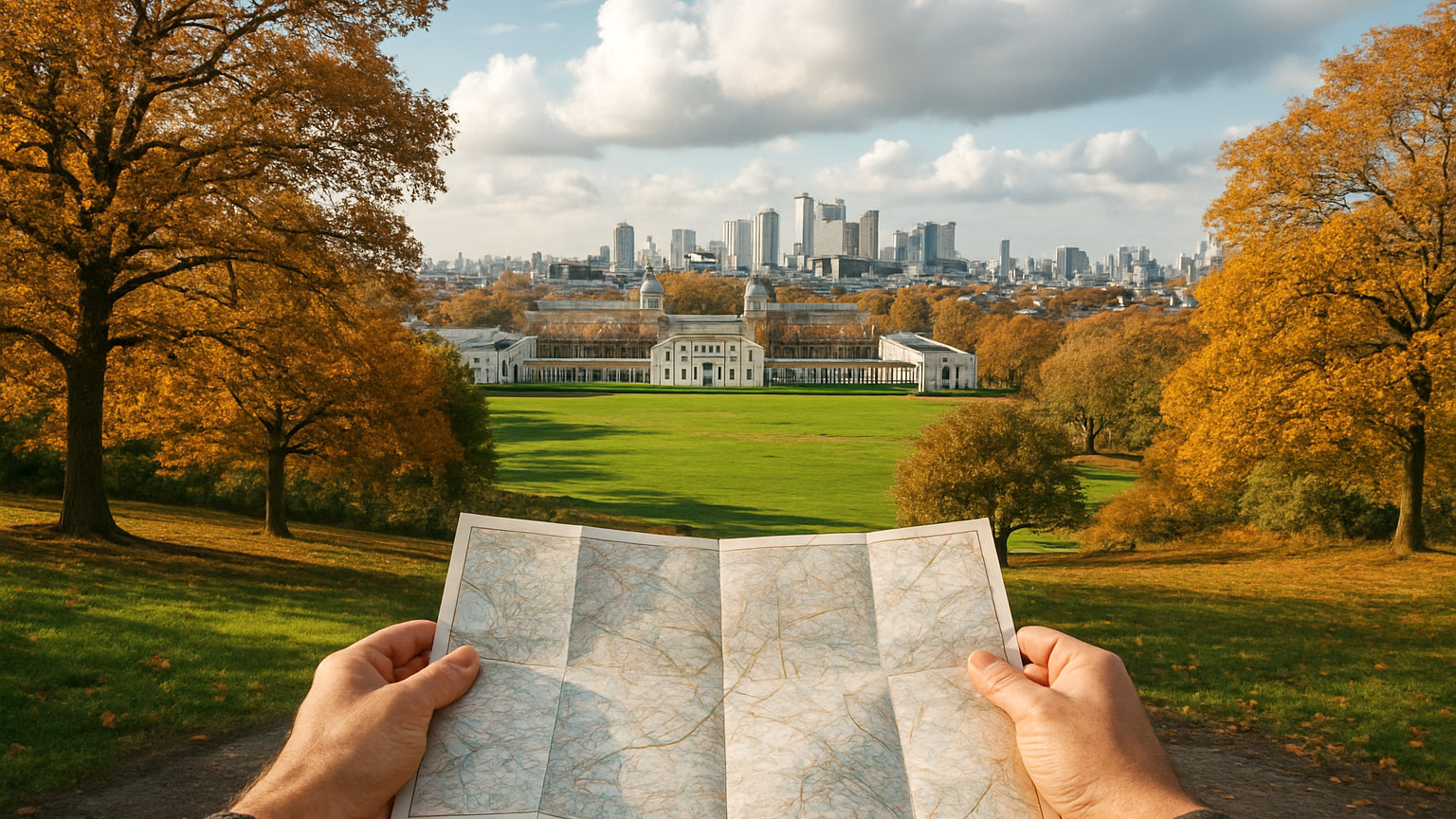
Further out, Greenwich for the maritime buildings and the park, Hampstead for the heath, and Shoreditch and Spitalfields for markets and street art.
How do you get around?
With a contactless card or phone, touched in and out, which calculates the cheapest fare automatically and applies daily and weekly caps. There is no need to buy a ticket or a pass.
Use buses for short journeys and the Underground for crossing the city. Walking beats both for anything under twenty minutes, since the Tube map distorts distance and several adjacent stations are five minutes apart on foot.
Where should you stay?
Somewhere on a direct transport line rather than somewhere central at any cost. Zone two neighbourhoods with a fast connection are cheaper and frequently more pleasant than a small room in the middle.
Bloomsbury, Southwark, Paddington and King's Cross all balance price against position reasonably well.
How long do you need?
Four days for a first visit, which allows two or three major sites, a couple of neighbourhoods and a day trip. Two days produces a checklist rather than an impression.
Anyone returning should ignore the landmarks entirely and pick two districts they have not seen.
What about the theatre?
Among the best in the world and cheaper than its reputation. Day seats, standing tickets and returns are sold at low prices, and a same day ticket booth in Leicester Square discounts unsold seats.
The reconstructed Globe sells standing places in the open yard for very little, which is how most of the original audience saw the plays.
Where should you eat?
Markets, which let a group eat different things cheaply without booking. Borough for produce, Maltby Street, Brick Lane and the covered markets across the city.
Beyond that, London's strength is the range: the food of almost every migrant community in the world is cooked here, frequently better in the outer boroughs than in the centre.
What day trips work?
Oxford, Cambridge, Canterbury, Brighton, Windsor and Whitstable are all under two hours by train, and several are under one.
Greenwich and Kew are within the city on public transport and function as days out without leaving London at all.
When should you go?
Spring and autumn for weather and lower prices. Summer is busiest and most expensive; January and February are cheapest and the museums are empty.
Book anything with timed entry ahead, since the major attractions sell out in season and several no longer sell at the gate.
What should you book ahead?
Anything with timed entry, which now includes several major attractions, and theatre tickets for specific shows. Restaurants at weekends. Free museums generally do not require booking for permanent collections, though some retained free timed tickets for busy periods, so check the day before rather than assuming you can walk in.
What do visitors most often get wrong?
Trying to cover the whole city, and using the Underground for journeys better walked. Also underestimating how long it takes to cross London, which even on fast transport is rarely under half an hour between districts. Pick a smaller area and know it properly, which is what residents do and what makes the city enjoyable rather than exhausting.