What Should You See and Do in Bournemouth?
Bournemouth has seven miles of sand, wooded valleys running down to the sea and a mild climate. What to see and what is nearby.
By British Travel Guides Editorial
13 Mar 2026

Britain has eleven thousand miles of coast and a national habit of going to the same eight beaches. These guides cover the seaside towns and quieter stretches worth the drive, the realistic swimming season, tide and rip current safety, dog-friendly beaches and which resorts still work in October when the crowds and the prices have gone.
Bournemouth has seven miles of sand, wooded valleys running down to the sea and a mild climate. What to see and what is nearby.
A good family beach needs more than sand. What actually matters, which stretches of coast deliver it, and what to check before driving an hour.
Rip currents are the most common cause of lifeguard rescues in Britain. How to spot one, what to do if caught, and which beaches are most affected.
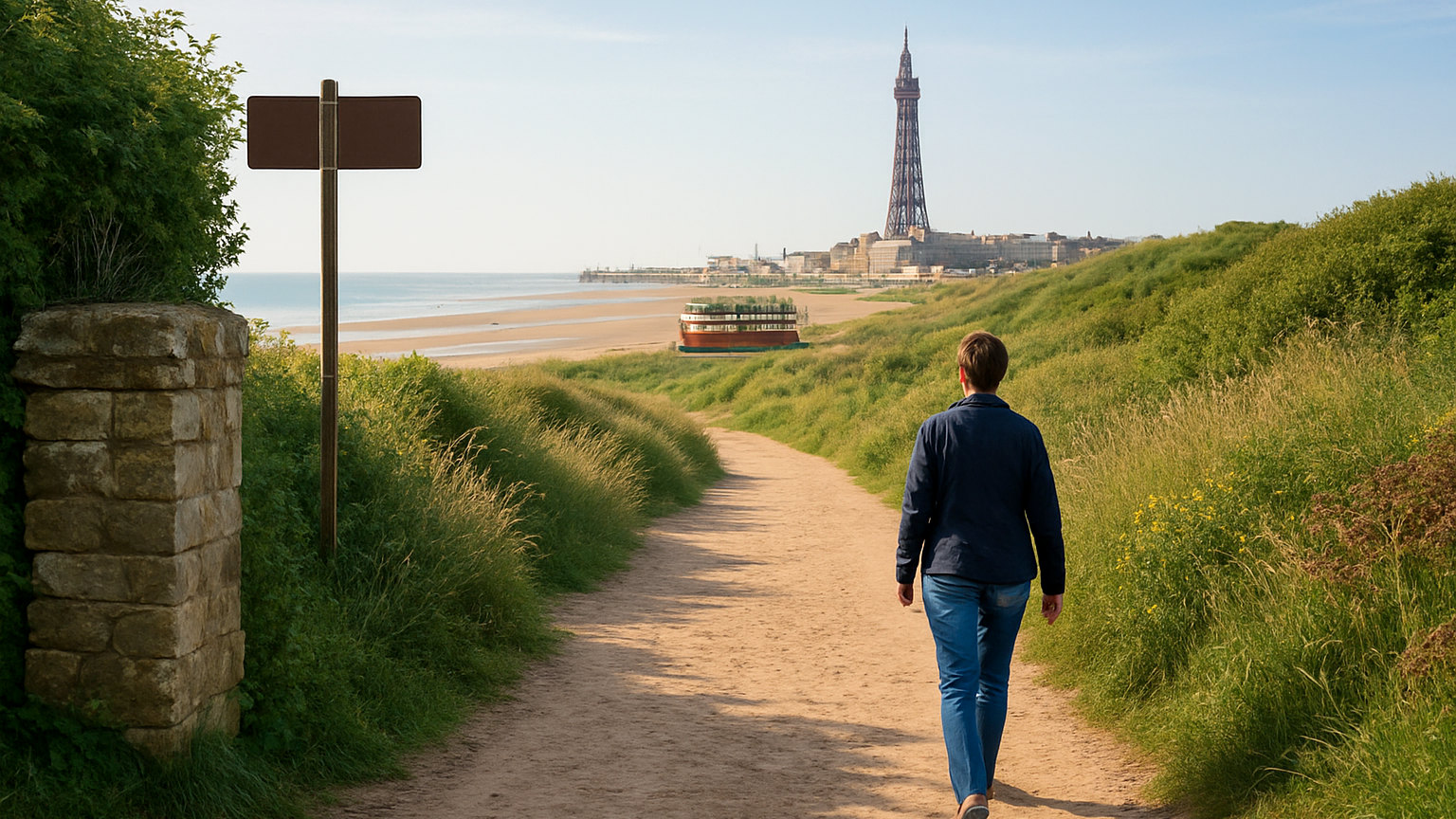
Blackpool is the largest traditional resort in Britain, with a tower, trams and an autumn illuminations season. What to expect.
Britain has some of the largest tidal ranges in the world and people are cut off every year. How tides work, how to read a tide table and what to check.
British sea temperatures are lower than most visitors expect all year round. What the numbers actually are, what cold water shock is and how to manage it.
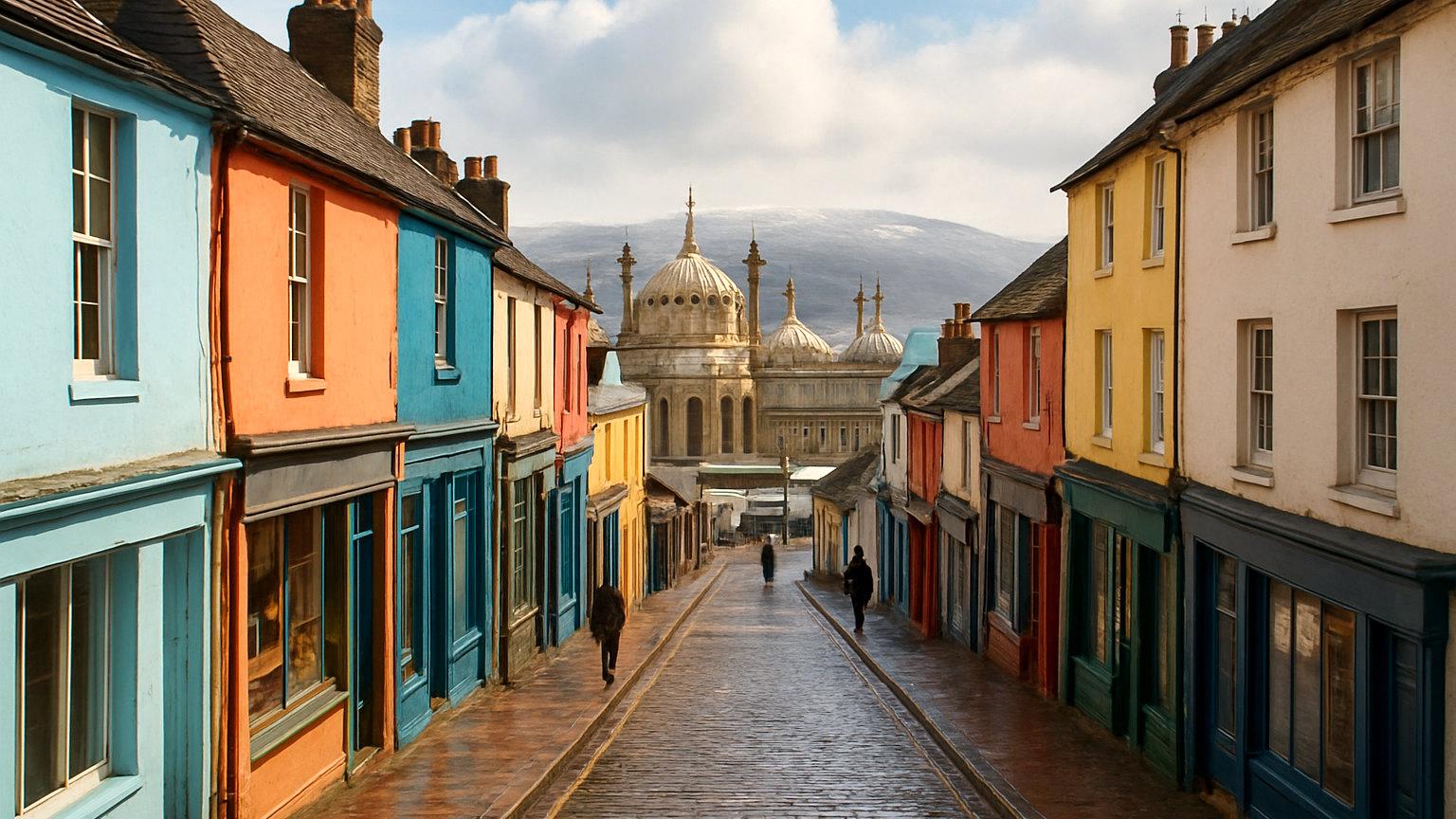
Brighton is the liveliest seaside city in Britain, with a pier, an oriental palace and a shopping quarter of narrow lanes. What to see.
The warmest sea and the emptiest sand do not arrive at the same time as the school holidays. When each part of the British coast is at its best.