The best family beach is rarely the most photographed one. What makes a beach work with children is a specific and unglamorous list, and several of the beaches that appear in national rankings fail most of it because they are reached by a steep half mile walk with no facilities at the bottom.
What actually matters?
Sand rather than shingle. Shallow, gently shelving water. Lifeguard cover in season. Toilets. Parking close enough to carry equipment from. And somewhere to buy an ice cream or a coffee.
Rock pools are the bonus that turns a good beach into an excellent one, since they occupy children for hours at no cost and work regardless of whether anyone is swimming.
Which coasts deliver it best?
The south coast from Dorset to Kent, which is sheltered, warm by British standards and well provisioned. North Norfolk, with enormous expanses of sand at Holkham and Wells and shallow water.
South Pembrokeshire around Tenby, which combines beaches with a town. The east coast of the Gower. Much of the Northumberland coast, which has superb sand and far fewer people, though colder water.
Which specific beaches work well?
Tenby's north and south beaches, with a town at the top and shallow water. Woolacombe and Croyde in north Devon, which are lifeguarded and have facilities, though both have surf and rips.
Wells next the Sea and Holkham in Norfolk. Bamburgh and Beadnell in Northumberland. Oxwich and Caswell on the Gower. West Wittering in Sussex. Sandbanks and Studland in Dorset.
What should you avoid with young children?
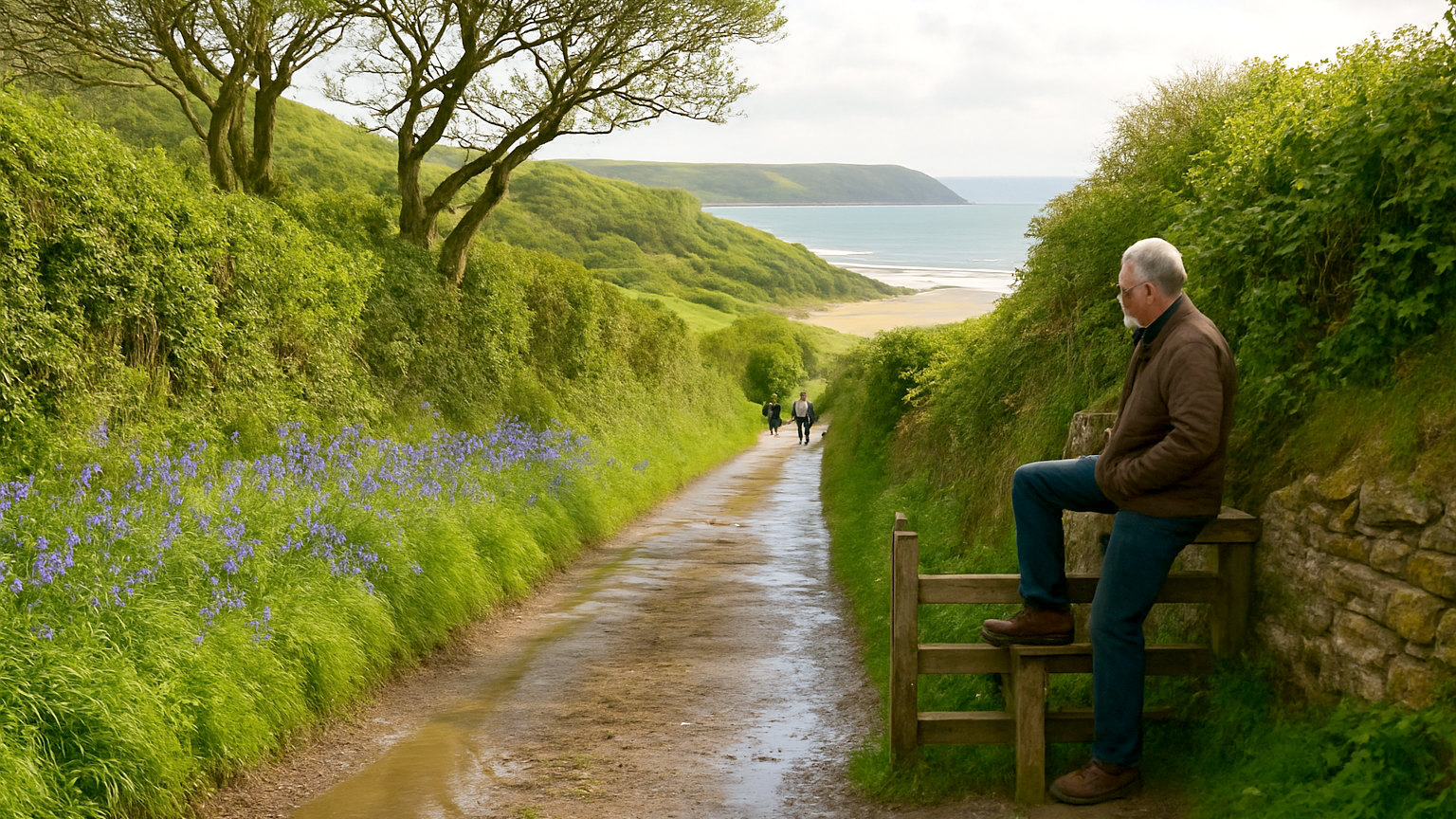
Beaches reached by a long descent, which is fine going down with a loaded bag and difficult coming up with a tired child. Beaches with no facilities of any kind for a whole day.
Beaches that disappear entirely at high tide, and coves reached around a headland where the tide can cut off the return. Both are common and neither is always signposted.
How much does the tide change things?
Completely. A beach that is a broad expanse of sand at low water can be a narrow strip of shingle at high tide, and rock pools only exist for a couple of hours either side of low water.
Check the tide times for your day before setting off. Aiming to arrive two hours before low water gives you a widening beach and the best rock pooling.
What about lifeguards?
Cover runs broadly from Easter or May to September on patrolled beaches, and swimming between the red and yellow flags is by far the safest thing you can do with children in the sea.
Check whether the beach you are considering is patrolled and on which dates. A beach that felt safe in August is unsupervised in October with identical currents.
What equipment is worth having?
A windbreak, which makes a substantial difference on almost any British beach. Buckets, spades and a net. Wetsuits or at least rash vests, which extend how long children stay in the water from minutes to an hour.
Sun cream regardless of the forecast, since British sunburn happens on overcast breezy days when nobody felt hot.
How do you avoid the crowds?
Arrive before about half past nine or after four, which transforms parking and space at every popular beach. Choose the beach next to the famous one, which is frequently almost empty.
Weekdays outside school holidays are quieter everywhere, and the east coast is consistently less busy than the south west for comparable quality.
What is the single best test?
Whether you can park, unload, walk to the sand in a few minutes and find a toilet. If all four are true and the beach is sandy and lifeguarded, everything else is a bonus.
Families consistently report better days at ordinary beaches meeting those criteria than at spectacular ones that fail them.
One last practicality: check whether the beach has a slipway or a ramp rather than only steps, which matters for pushchairs, wagons and anyone carrying a loaded cool box. It is rarely mentioned in listings and makes a substantial difference to the walk from the car.