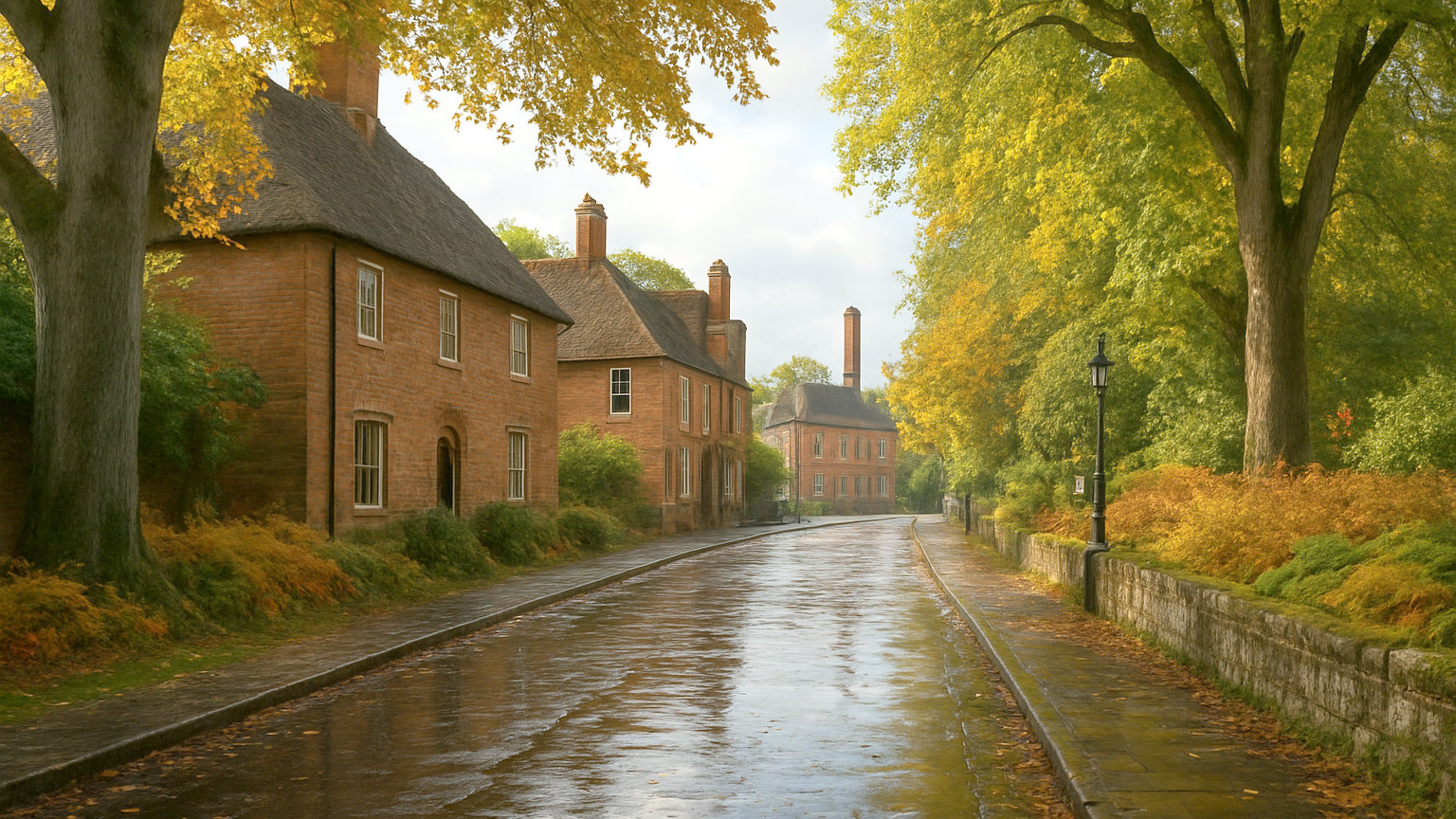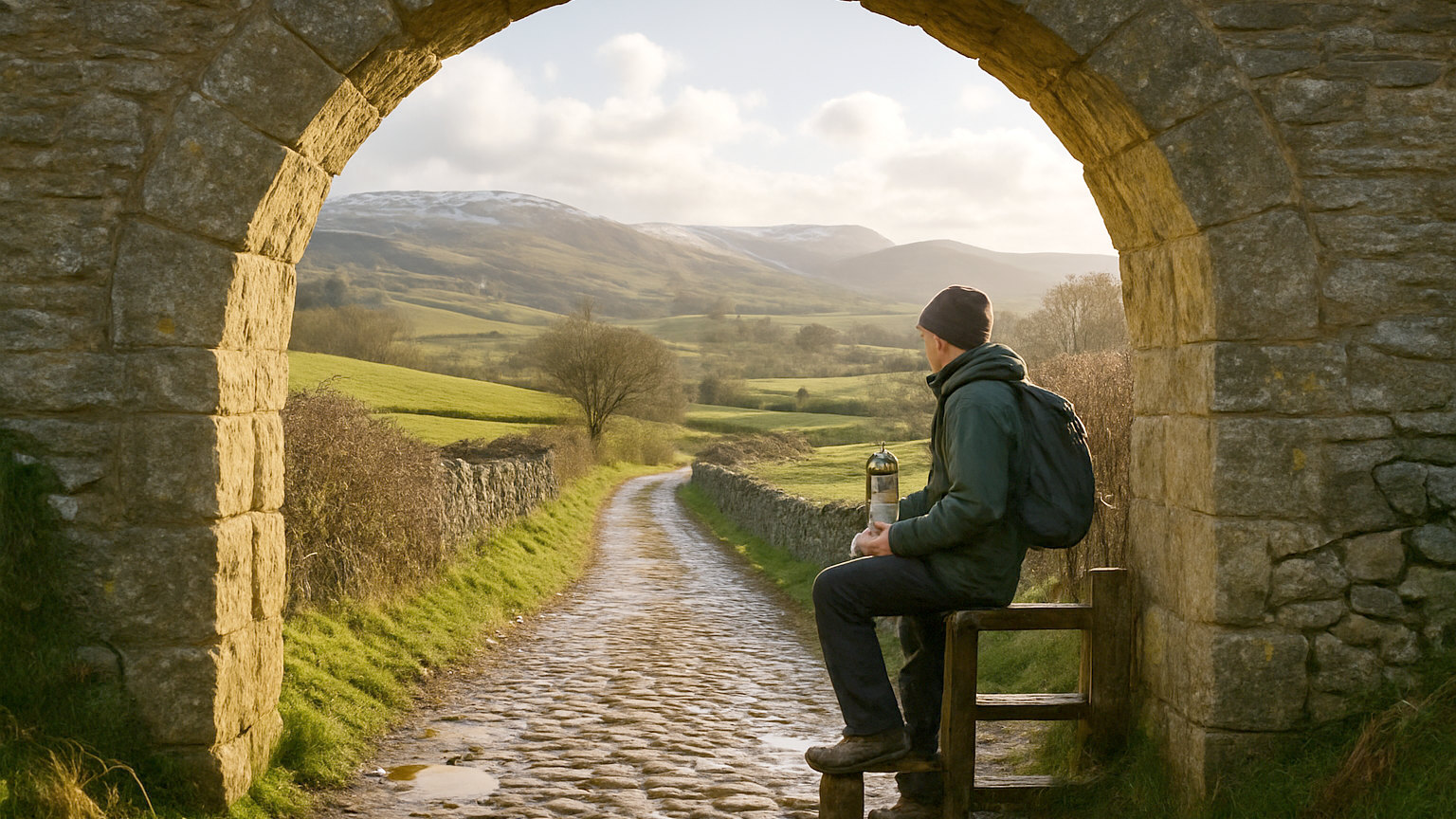
Somerset produces more cider than any other English county and gave its name, by way of a village, to the most eaten cheese in the world. Both are worth taking seriously here, because what is made locally bears very little resemblance to the mass produced versions sold under the same names.
What is real farmhouse cheddar?
Cheddar as a name is not protected, so cheese made anywhere may use it. What is protected is West Country Farmhouse Cheddar, which must be made on a farm in one of four south western counties using traditional methods.
A small number of producers make it in Somerset, cloth bound and matured for a year or more, and the difference from supermarket cheddar is not subtle.
Why is it called cheddar?
Because the caves in Cheddar Gorge provided the constant cool temperature and humidity needed for maturing, and cheese was stored there for centuries.
Cheese is still matured in the gorge today and can be bought at the bottom of it, alongside a good deal that is merely sold there.
What is Somerset cider like?
Made from cider apples rather than eating varieties, frequently unfiltered and still rather than carbonated, and considerably stronger and drier than most commercial cider.
Traditional farmhouse cider, sometimes called scrumpy, is sold at farm gates across the county and is not a soft drink.
What is cider brandy?
Cider distilled and aged in oak, produced in Somerset since a licence was granted in the 1980s, having not been legally made in England for centuries.
The county's cider brandy carries a protected designation, and the distillery offers tours and tastings.
What is wassailing?
A midwinter custom in the orchards, held in January, involving singing to the trees, pouring cider on the roots and making a great deal of noise to drive off evil spirits and ensure a good crop.
It is genuinely practised rather than reconstructed, and several farms hold public wassails that visitors can attend.
What else does the county produce?
Lamb from the Mendips and Exmoor, beef, and a growing number of smaller cheesemakers producing goat and sheep cheeses.
Eels and elvers were historically important on the Levels, though the fishery is now tightly restricted since the European eel is critically endangered.
What about the Levels?
A flat wetland landscape south of the Mendips, drained for grazing, which produces willow for basketry as well as food, and floods substantially in wet winters.
A visitor centre covers the willow industry, which is still worked commercially.
Where should you go?
The cheese farms around Wells and Shepton Mallet, the cider farms of the Levels and the Vale of Taunton, and the market towns of Frome, Bruton and Wells.
Frome has a substantial monthly market that draws people from across the region.
What about restaurants?
The county has developed a strong reputation, with several serious restaurants in small towns and villages, and a number of pubs with rooms cooking properly.
Bruton in particular has become a food destination out of proportion to its size.
When should you visit?
Autumn for pressing, when cider farms are working and several open to visitors, which is much the most interesting time.
January for wassailing, late April for blossom, and summer for markets and outdoor eating.
How should you handle the driving?
Carefully, since farmhouse cider is strong and frequently served in quantity. Choose a walkable base or arrange transport.
Several producers sell to take away, which is the sensible approach if you are driving between them.
What should you take home?
Cloth bound cheddar, which travels well and keeps, and bottled cider or cider brandy. A cool bag is the most useful thing to bring, since cheese and butter do not survive a hot car. Buy at the farm rather than the motorway services, where the same products cost considerably more and the choice is narrower.
A final point on the cheese: the best of it is sold from the farms that make it and from a small number of specialist shops, rather than from the gorge, where a good deal of what is on sale was made elsewhere entirely.