Afternoon tea is a Victorian invention, credited to a duchess who found the gap between lunch and a late dinner too long, and it has become one of the more enduring British rituals. It is also, at the top end, an expensive one, and the range in quality is wide.
What does it consist of?
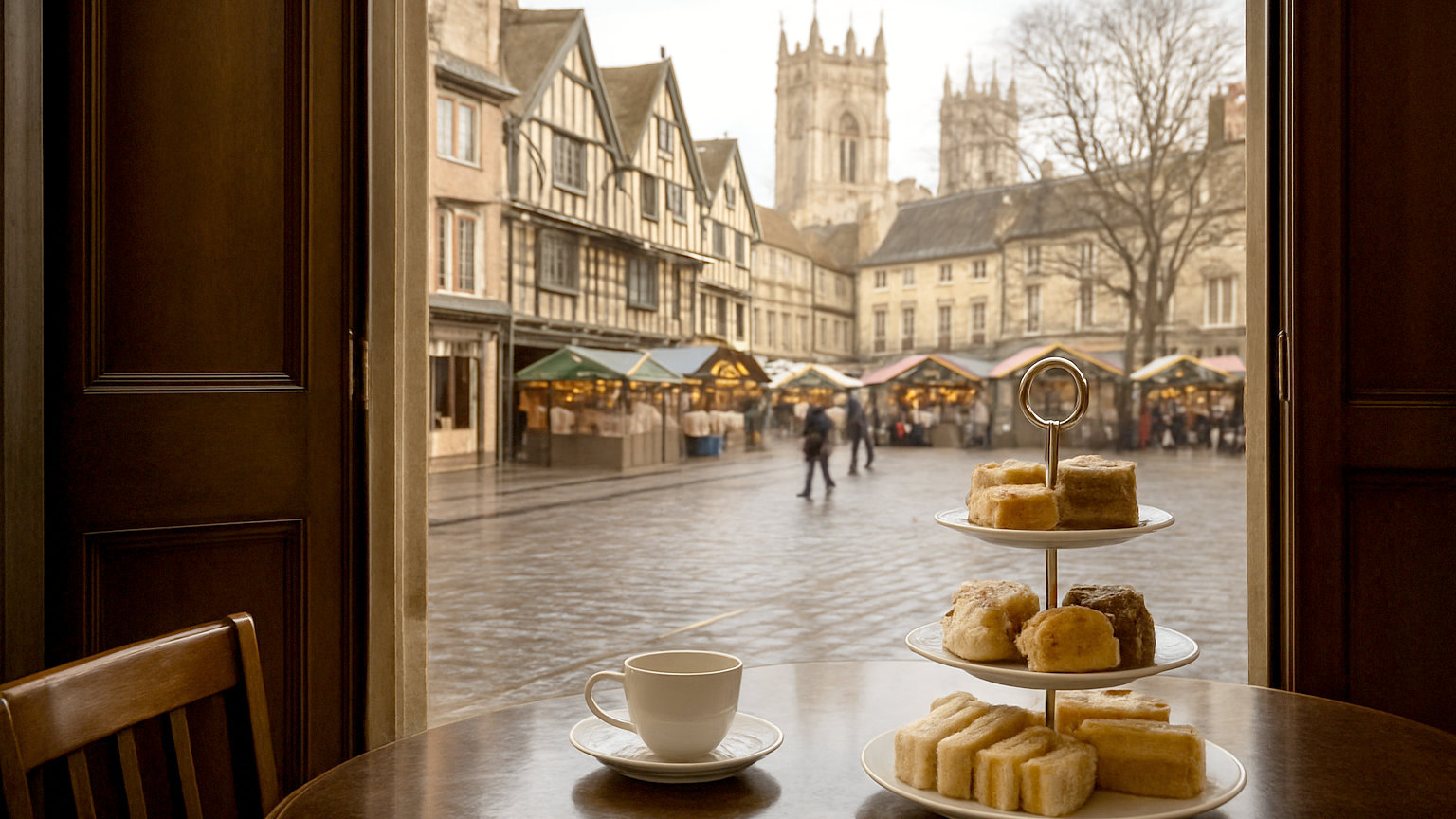
Three courses served together on a stand. Finger sandwiches, traditionally including cucumber, smoked salmon, egg and cress, and coriander free ham. Then scones with clotted cream and jam. Then small cakes and pastries.
Tea, obviously, usually with a choice of several. Many places now include a glass of sparkling wine, which is a modern addition rather than tradition.
What is the difference from a cream tea?
A cream tea is scones, clotted cream, jam and tea, and nothing else. It is much cheaper, quicker and common in the south west, where it is a regional institution rather than a hotel occasion.
High tea is a different thing again, historically a substantial early evening meal with hot food, eaten by working households. It is not a grander version of afternoon tea, though menus increasingly use the term that way.
Jam or cream first?
Cornwall puts jam on the scone first and cream on top. Devon puts cream first and jam on top. The disagreement is cheerful, long running and taken more seriously than an outsider expects.
Either way, a scone should be split by hand rather than cut with a knife, and should be fresh, ideally still slightly warm.
Where is it done well?
The London grand hotels, which are the classic setting and priced accordingly, with booking required weeks or months ahead for the best known.
Country house hotels across the country, frequently better value and in more attractive surroundings. National Trust and heritage property tea rooms, which are considerably cheaper and often very good. And independent tea rooms in Bath, York, Harrogate and the Cotswolds.
What does it cost?
Enormously variable. A cream tea in a village tea room is inexpensive. Afternoon tea at a country house hotel is a moderate treat. At a London grand hotel it is a significant sum per person, more with champagne.
The middle option, a good hotel outside London, generally gives the best combination of quality and value.
Do you need to book?
At hotels, yes, and often well ahead. The famous London venues book months in advance for weekends, and country house hotels fill on Sundays.
Tea rooms and heritage properties are usually walk in, though the popular ones queue in summer.
Is there a dress code?
At the grand hotels, generally smart casual, with some requiring no jeans, trainers or sportswear and a small number expecting a jacket. It is worth checking, since being turned away is an expensive embarrassment.
Everywhere else, no. Nobody in a National Trust tea room cares what you are wearing.
When is it served?
Usually between two and five in the afternoon, with sittings at fixed times at busier venues. It is a substantial amount of food and generally replaces dinner rather than preceding it.
Do not plan a large meal afterwards. People consistently underestimate the quantity, and boxes for leftover cake are commonly offered.
Is it worth doing?
Once, certainly, and it makes a good occasion for a birthday or a treat. Whether it is worth the top end price depends entirely on how much you value the setting.
For the food alone, a good tea room or a heritage property gives you most of the experience for a fraction of the cost, and the scones are frequently better.
Are there vegetarian and other options?
Almost universally, and most venues also handle vegan, gluten free and other requirements well if given notice when booking. Afternoon tea is one of the easier British meals to adapt, since the components are separate. Ask at the time of booking rather than on arrival, since kitchens prepare the stands in advance and a last minute request may produce something improvised.