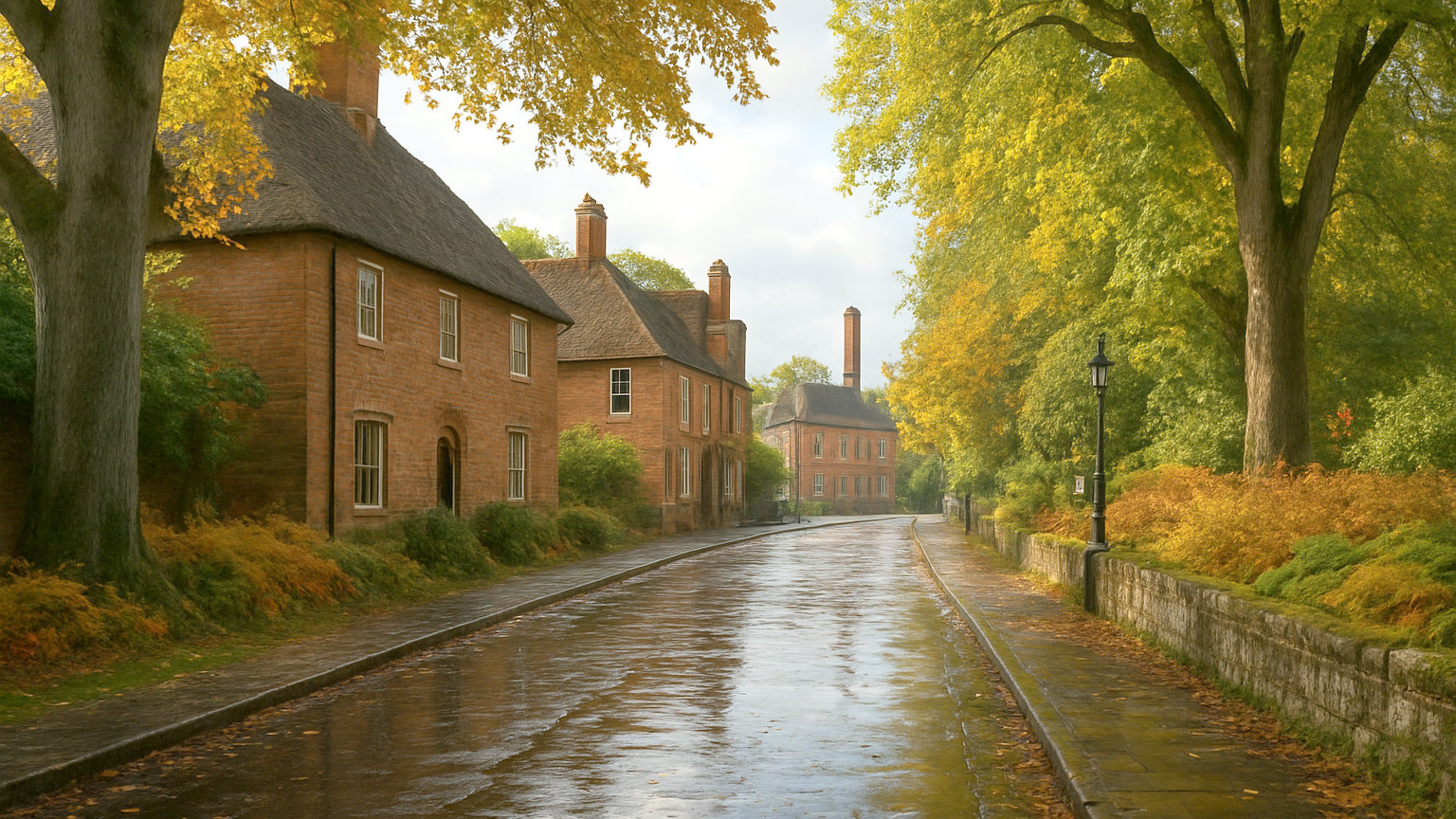
Kent has been called the garden of England since at least the sixteenth century, and the description still holds. The county grows fruit, hops and now grapes on a substantial scale, has a working oyster fishery and produces a considerable share of English wine.
What about the wine?
Kent has become the centre of English sparkling wine production, because the chalk here is the same formation that runs beneath Champagne and the climate has warmed enough to suit it.
Several substantial vineyards offer tours and tastings, and English sparkling wine now wins international competitions regularly, which was not true twenty years ago.
What are the hop gardens?
Hops are grown up wirework in fields called gardens rather than yards, and Kent was the dominant hop county for centuries.
The industry is far smaller than it was, when whole families travelled from London each September to pick by hand, but hops are still grown and the oast houses used for drying survive in their hundreds across the county, mostly converted to houses.
What beer is brewed there?
Kent holds one of the oldest brewers in Britain, working continuously in Faversham since the late seventeenth century, with a visitor centre and tours.
A substantial number of smaller breweries have opened since, several using Kentish hops, and the county has a strong pub culture.
What fruit is grown?
Apples, pears, cherries and plums on a large scale, with the blossom in late April among the best sights in the county.
Cherries were traditionally grown on tall standard trees and Kent cherries are still sold locally in a short season in July.
What are Kentish cobnuts?
A cultivated hazelnut grown in plantations called plats, harvested from late August and sold fresh and green rather than dried, which is unusual.
They have a milky sweetness quite different from a dried hazelnut and are largely sold within the county.
What about the oysters?
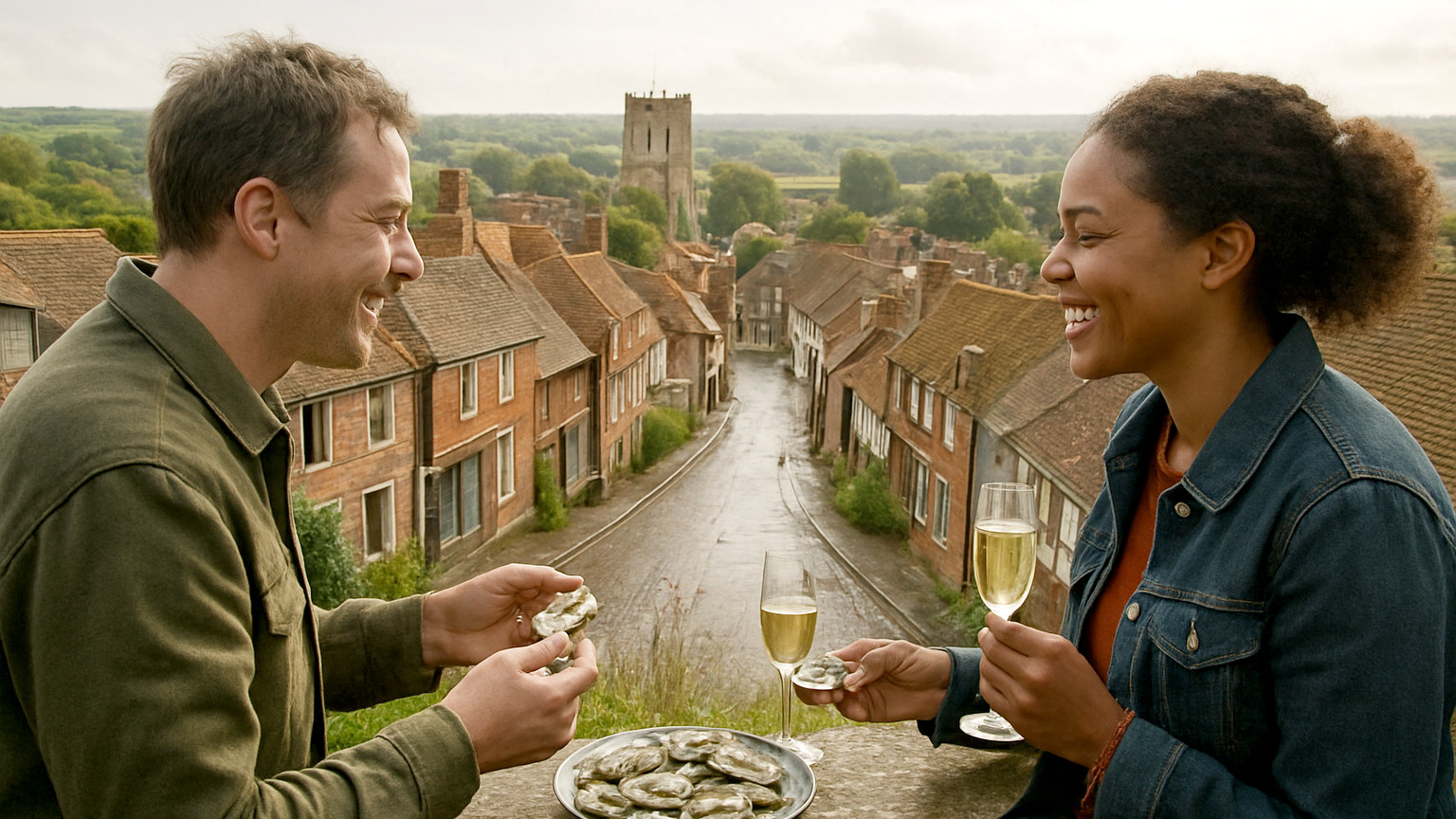
Whitstable has produced oysters since Roman times and the fishery continues, with an oyster festival each July and a row of restaurants and shacks along the shore.
Native oysters have a season, traditionally the months with an R in the name; rock oysters are available year round.
What meat is the county known for?
Romney Marsh lamb, grazed on salt influenced grazing marsh, which gives it a distinctive flavour and a following among chefs.
The marsh itself is worth seeing, being flat, empty and strange, with isolated medieval churches scattered across it.
What should you look for on the coast?
Fish landed at Folkestone, Hythe and Deal, sold from stalls on the beach and quays, and a shellfish trade along the Thames estuary shore.
Dover sole is named for the port that historically supplied London with it.
Where should you go for a food weekend?
Whitstable for oysters and seafood, Faversham for brewing and a market town centre, and the vineyards around Tenterden and Ashford.
Margate and Folkestone have both developed serious restaurant scenes alongside their wider revival.
When is best?
Late April for blossom, July for cherries and oysters, September for hops, apples and cobnuts, which makes early autumn the fullest month.
Vineyards run tours from spring to autumn, with harvest in October the most interesting time to visit.
How do you get around?
By train from London in under an hour to several towns, and by car for the vineyards and orchards, which are rural.
If drink is part of the trip, choose a walkable town or book an organised tour rather than driving between tastings.
What about farm shops and markets?
Numerous, given the concentration of growers, and frequently attached to the farms themselves. Several of the larger fruit farms have shops open through the season, and pick your own operates from June for soft fruit. Market days in Faversham, Sandwich and Rye just over the Sussex border are all worth timing a visit around.
One last note: several of the vineyards now have restaurants attached, which makes a tour and lunch a straightforward half day and removes the awkwardness of tasting wine at eleven in the morning with nowhere to sit down afterwards.