How Do You Read a British Weather Forecast?
Forecasts contain more information than most people use. What the numbers mean, which figures matter outdoors and how far ahead to trust them.
This is the unglamorous half of a good trip and the half that decides whether it goes well. Train fares in Britain can differ fourfold on the same route depending on when you book, accommodation prices swing wildly by school holiday, and the weather makes a genuine difference to what is worth planning. These guides cover the practical decisions in the order you actually make them: dates, route, transport, beds, budget and cover, with the numbers we can give and honest uncertainty where we cannot.
Forecasts contain more information than most people use. What the numbers mean, which figures matter outdoors and how far ahead to trust them.
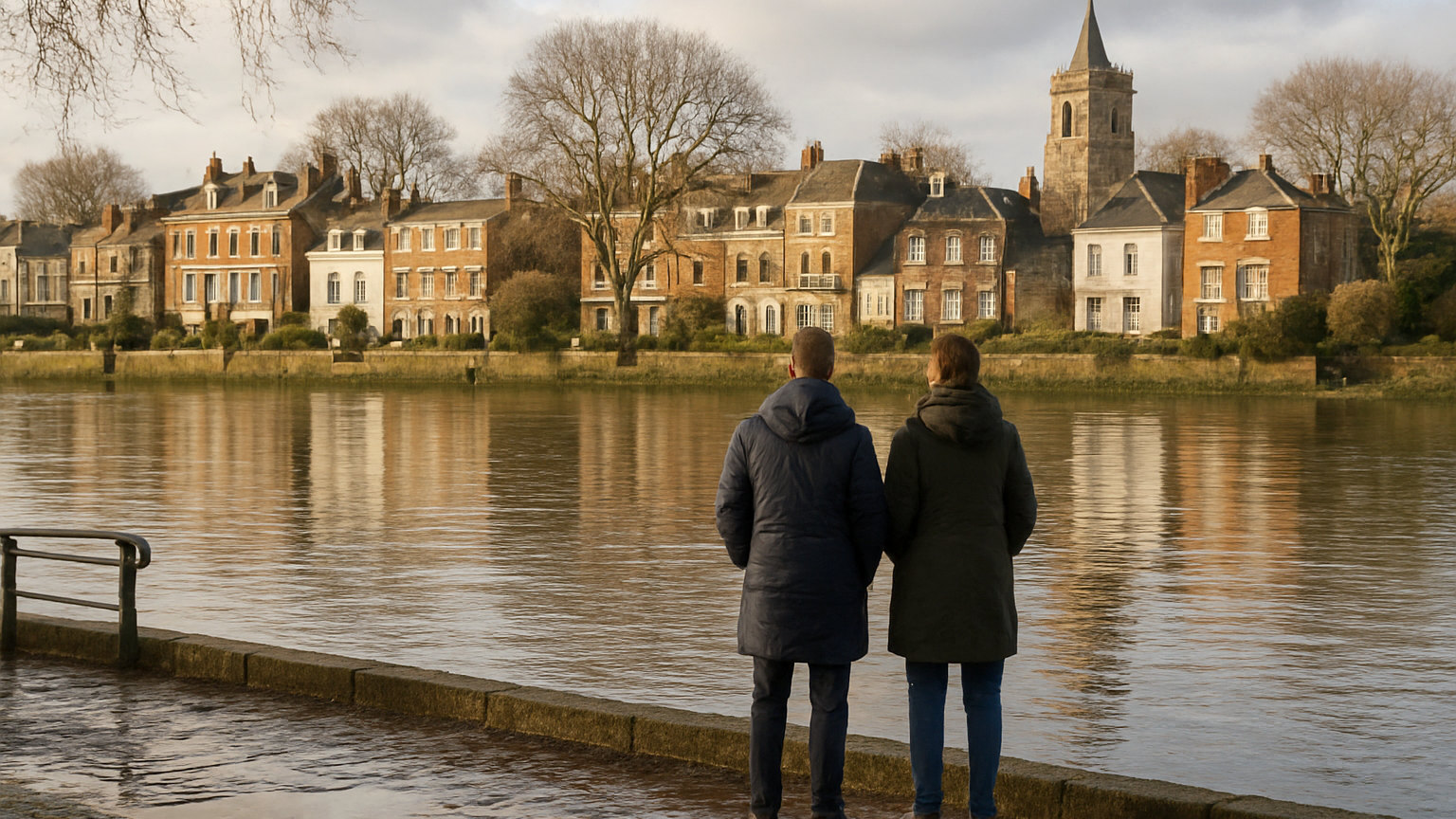
Chiswick is a west London district with fast transport, a riverside and lower prices than the centre. What staying there is actually like.
Railcards give roughly a third off most fares and usually pay for themselves in one journey. Which ones exist and who qualifies.
Domestic trips get insured far less often than trips abroad. What cover is actually for on a UK holiday, and what it does not do.
Britain has a wider range of places to stay than most countries and the categories overlap confusingly. What each type actually means.
Trip costs in Britain are dominated by two lines and almost everything else is noise. Where the money goes and how to estimate a total.
First trips fail by trying to see everything. What a first visit should realistically cover and what to leave for another time.
British weather is mild, changeable and less wet than its reputation. What each month actually delivers and which are the driest.
British rail fares are notoriously complicated and the same journey can vary fourfold. What the ticket types mean and how to buy the cheapest one.