Children walk further than most parents expect and complain about it sooner. The difference between a family walk that works and one that does not is rarely the distance; it is whether the day has enough happening in it and whether anyone is cold, hungry or in unsuitable footwear.
What distances are realistic?
Very roughly, a child of five manages two or three miles on interesting ground, an eight year old four or five, and a ten to twelve year old can do six to eight. Teenagers can generally walk as far as their parents.
Terrain and interest change these figures more than age does. The same child who complains after a mile on a track will cover four miles along a stream without noticing.
What keeps children walking?
Things to look at and reach. Streams, stepping stones, rocks to scramble on, a trig point, a castle, a beach at the end. A walk with a destination is far easier than a circuit through similar scenery.
Snacks at regular intervals, treated as milestones. Small challenges, counting things, geocaching and letterboxing on Dartmoor all work well. Another child works best of all.
Can families do multi day trails?
Yes, with the right route and short stages. Hadrian's Wall Path works well because the history sustains interest and stages can be shortened. Sections of the Pembrokeshire and Northumberland coasts suit families for the same reason.
Use baggage transfer, keep days to six to eight miles for younger children, and build in a rest day. Booking accommodation with a pub, a pool or a beach at the end of each day helps considerably.
Which areas are best?
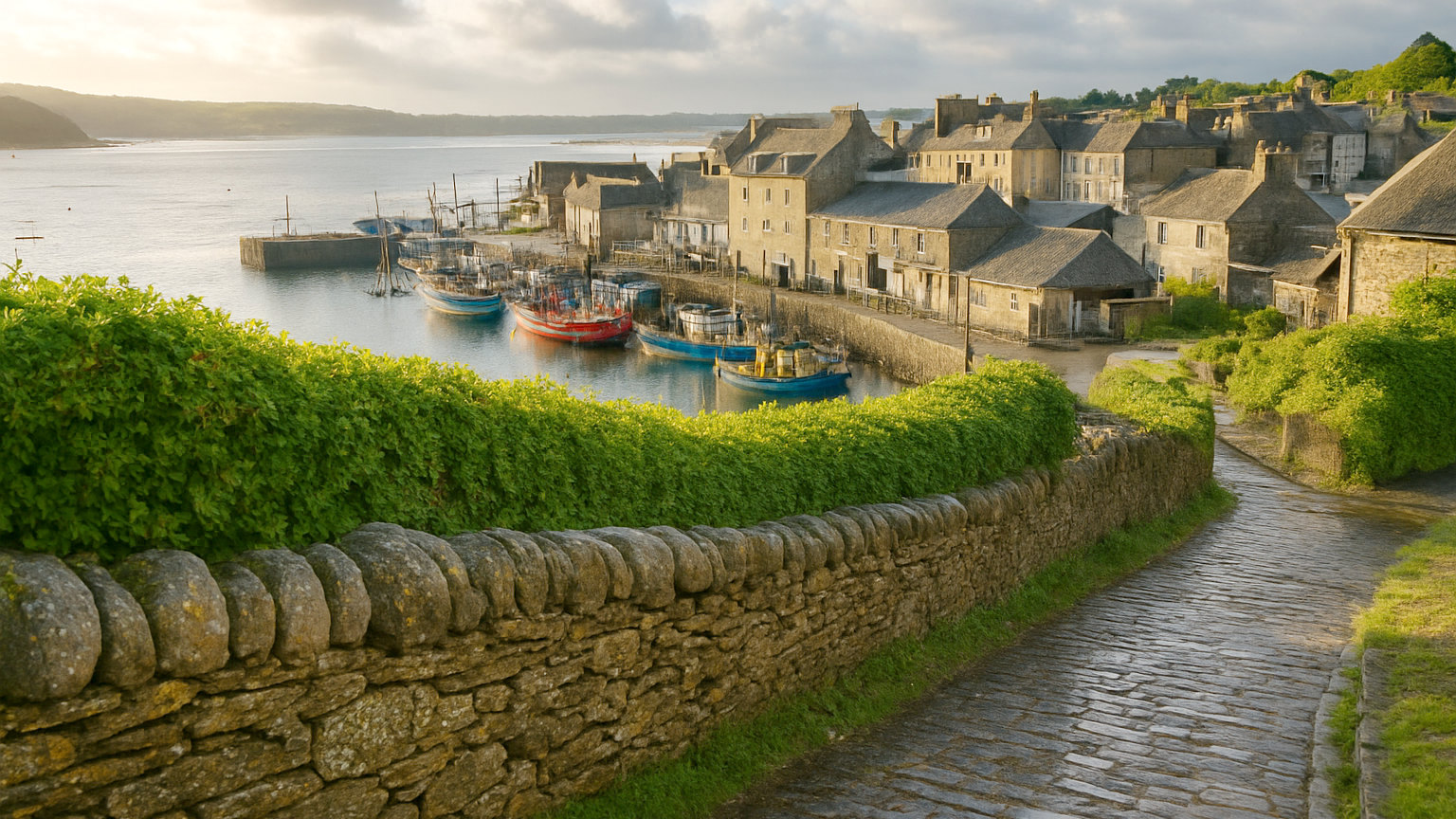
Coastal paths, where there is always something happening and a beach is usually reachable. The New Forest, which is flat with ponies. The White Peak in Derbyshire, with gentle dales, stepping stones and caves.
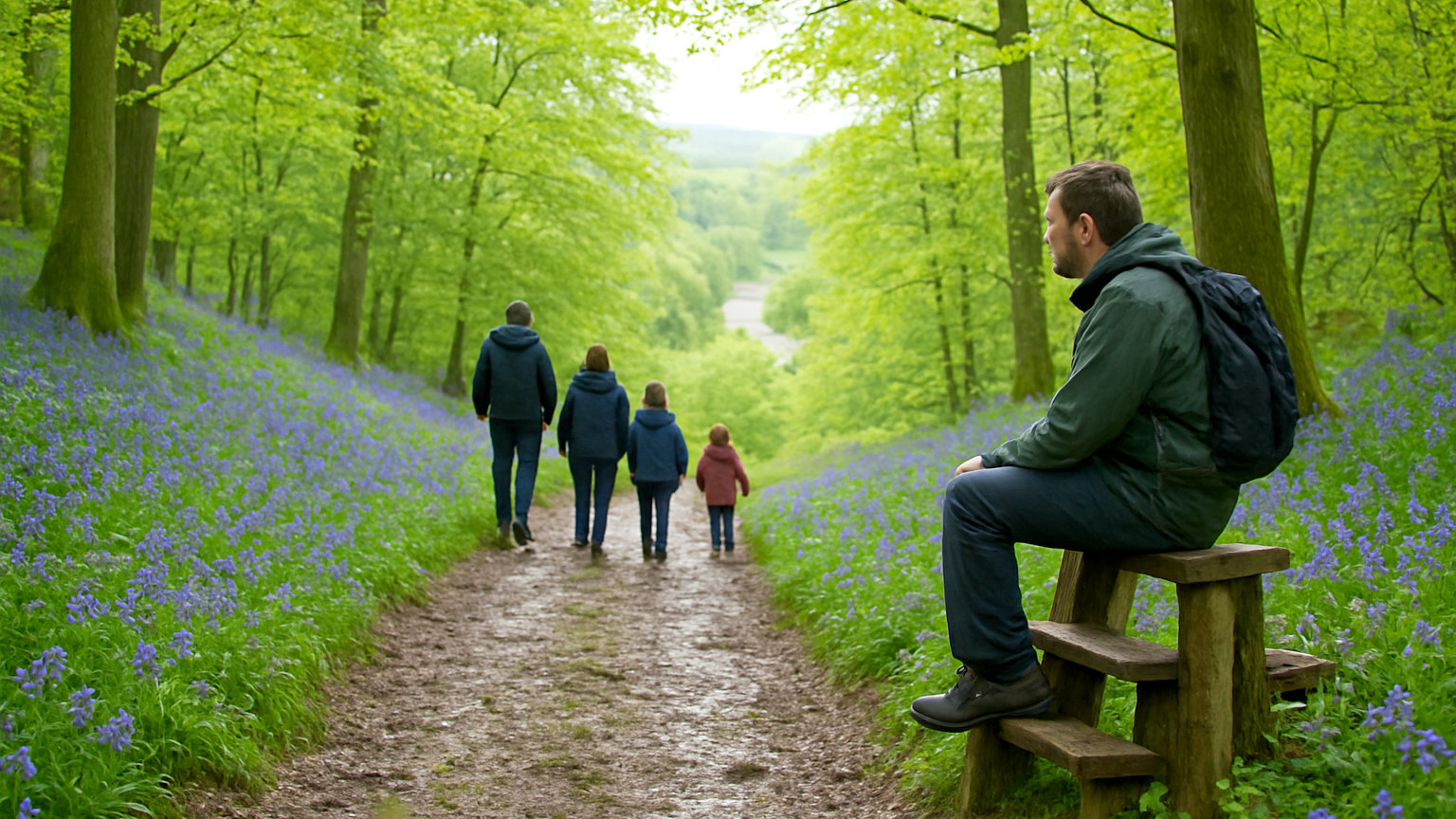
Forest trails, which are waymarked, graded and hard to get lost on, and where children can be given more independence than on open hill.
What should you avoid?
Exposed ridges, unfenced cliff edges, and anything where a tired child on a scramble becomes a serious problem. Long featureless moorland, which is dull for children and hard to shorten.
Also avoid committing to a route with no escape option. A family walk should always have a way to stop early.
What kit do children need?
Proper waterproofs and footwear with grip, which are the same priorities as for adults. Wellingtons work well for younger children on wet lowland walks and badly on rough ground.
Spare socks, gloves and a hat regardless of season, and a warm layer. Children lose heat faster than adults and get cold while standing still waiting for the view to be admired.
How should you structure the day?
Start earlier than you would alone, walk in short sections with clear stopping points, and finish before anyone is exhausted. A shorter walk everyone enjoyed builds appetite for the next one.
Let children set the pace and lead where it is safe, which is disproportionately effective at maintaining enthusiasm.
Where should you stay?
Hostels work very well for walking families, being cheap, sociable, geared to the outdoors and often positioned where nothing else is. Many have family rooms and self catering kitchens.
Bunkhouses, camping barns and campsites all suit too. The main requirement is drying space and somewhere for children to be noisy without disturbing other guests.
What is the realistic aim?
Not to complete a trail but to have children who want to go walking again. Cutting a day short, taking the bus for a section or spending an hour at a stream instead of reaching the summit are all reasonable decisions.
The families who walk together for years are generally those who kept the early trips short, warm and interesting rather than those who set out to prove something.
How do you get children started?
With short walks close to home, frequently, before any holiday is booked. Children who already associate walking with an afternoon out rather than a forced march arrive on a trail with the right expectations. Building up over a few months, letting them choose the destination occasionally and keeping the first outings comfortably within what they can manage does more for a family walking holiday than anything you can arrange once you are there.