Wrexham is the largest town in north Wales, received city status in 2022 and has attracted an unusual amount of international attention since its football club was bought by two actors and became the subject of a documentary series. The town itself is workaday, and what surrounds it is exceptional.
What is the football connection?
Wrexham Association Football Club plays at a ground that is among the oldest international football stadiums still in use anywhere in the world.
The purchase by two well known actors and the resulting series brought substantial visitor numbers from North America to a town that previously received almost none. Match tickets are consequently difficult and the ground runs tours.
What is in the town?
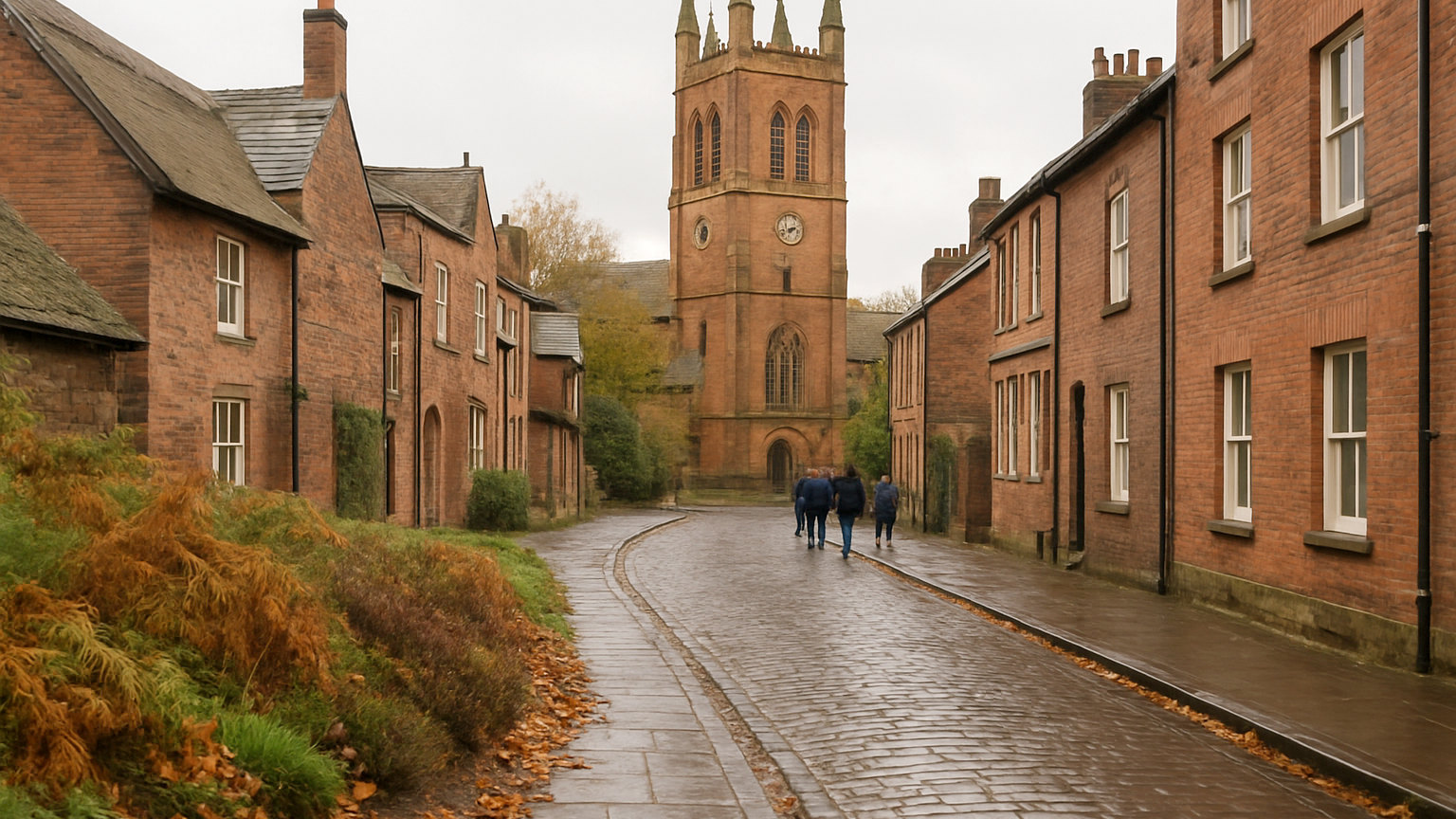
St Giles, a late medieval parish church with an elaborate tower traditionally counted among the wonders of Wales, and a churchyard holding the grave of the man who founded Yale University.
A local museum, an indoor market and a compact centre. The town is honest rather than picturesque and does not pretend otherwise.
What is Pontcysyllte?
An aqueduct carrying a canal across the Dee valley on iron troughs supported by stone piers, completed in 1805 and among the boldest engineering of its age. It is a World Heritage Site.
You can walk the towpath across it, which is exhilarating, since the water sits level with the edge and there is no barrier on the far side. Boat trips cross it in season.
What is Erddig?
A country house just outside the town, notable for presenting the servants' quarters as prominently as the family rooms, with portraits and verses commemorating the staff commissioned by the owners.
It is among the most interesting houses in Britain for exactly that reason and gives a fuller picture of country house life than most.
What is the Dee Valley like?
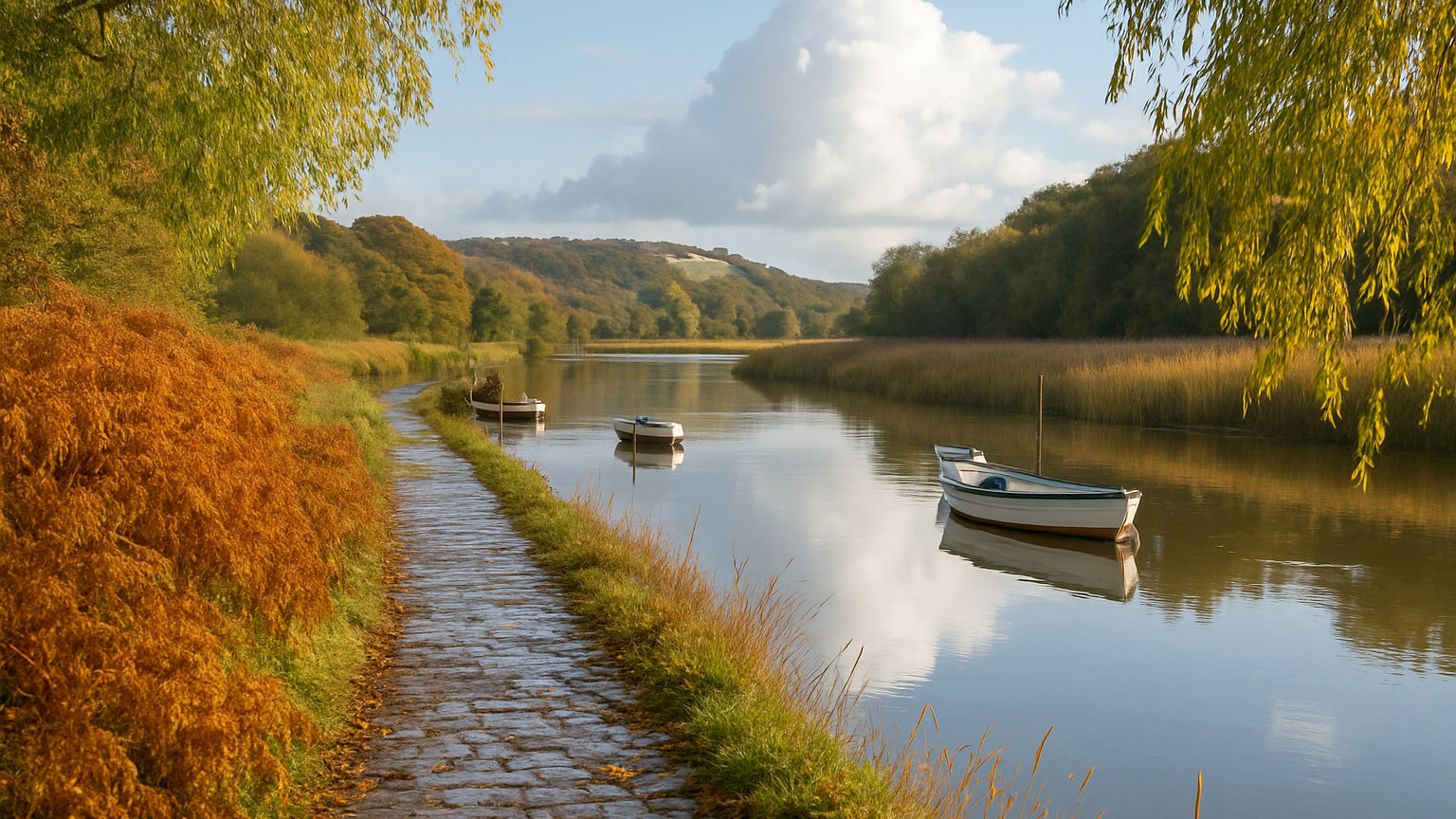
Wooded and steep, running west towards Llangollen, with a horseshoe shaped falls, a ruined abbey, a hillside castle and a heritage railway along the river.
Llangollen itself is a small town holding an international music festival each July and sitting at the foot of the Berwyn hills.
What about the industrial heritage?
The area produced coal, iron, brick and lead, and the remains are scattered through the surrounding countryside. Bersham ironworks supplied cannon and the boring machinery that made early steam engines possible.
The canal itself was built to serve those industries rather than for pleasure.
How do you get there?
By train from Chester in around twenty minutes, with connections to Shrewsbury and the Marches line south.
The town sits close to the English border, which makes it accessible from Cheshire and the north west.
What else is within reach?
Chester in half an hour, Eryri within an hour, and the Shropshire hills to the south. Ruthin and the Clwydian range to the west.
The Offa's Dyke path runs nearby along the border earthwork.
Where should you eat?
The town has a growing independent scene, boosted considerably by visitor interest, along with the traditional market and pubs.
Llangollen and the Dee valley hold several good options in more attractive surroundings.
How long do you need?
One night, or a day trip from Chester. Two nights if you want the aqueduct, Erddig and the Dee valley properly.
It is best treated as a base for the border country rather than a destination in itself, unless the football is the reason for coming.
What about the language?
Welsh is spoken across Wales and is an official language, with bilingual signage everywhere and place names appearing in Welsh form. In the north east the proportion of speakers is lower than in the west, though the language is visible and audible. Attempting a greeting is welcomed and nobody expects visitors to be fluent.
One last point: the town sits within easy reach of Chester, the Dee valley and the Clwydian hills, which makes it a practical and inexpensive base for the border country rather than a destination most people travel to for its own sake.