The Isle of Wight sits a few miles off the Hampshire coast and receives a very large number of summer visitors relative to its size. What is less well known is how completely it empties afterwards, and how much of the island remains open and worth visiting between October and April.
What is the island like once the crowds go?
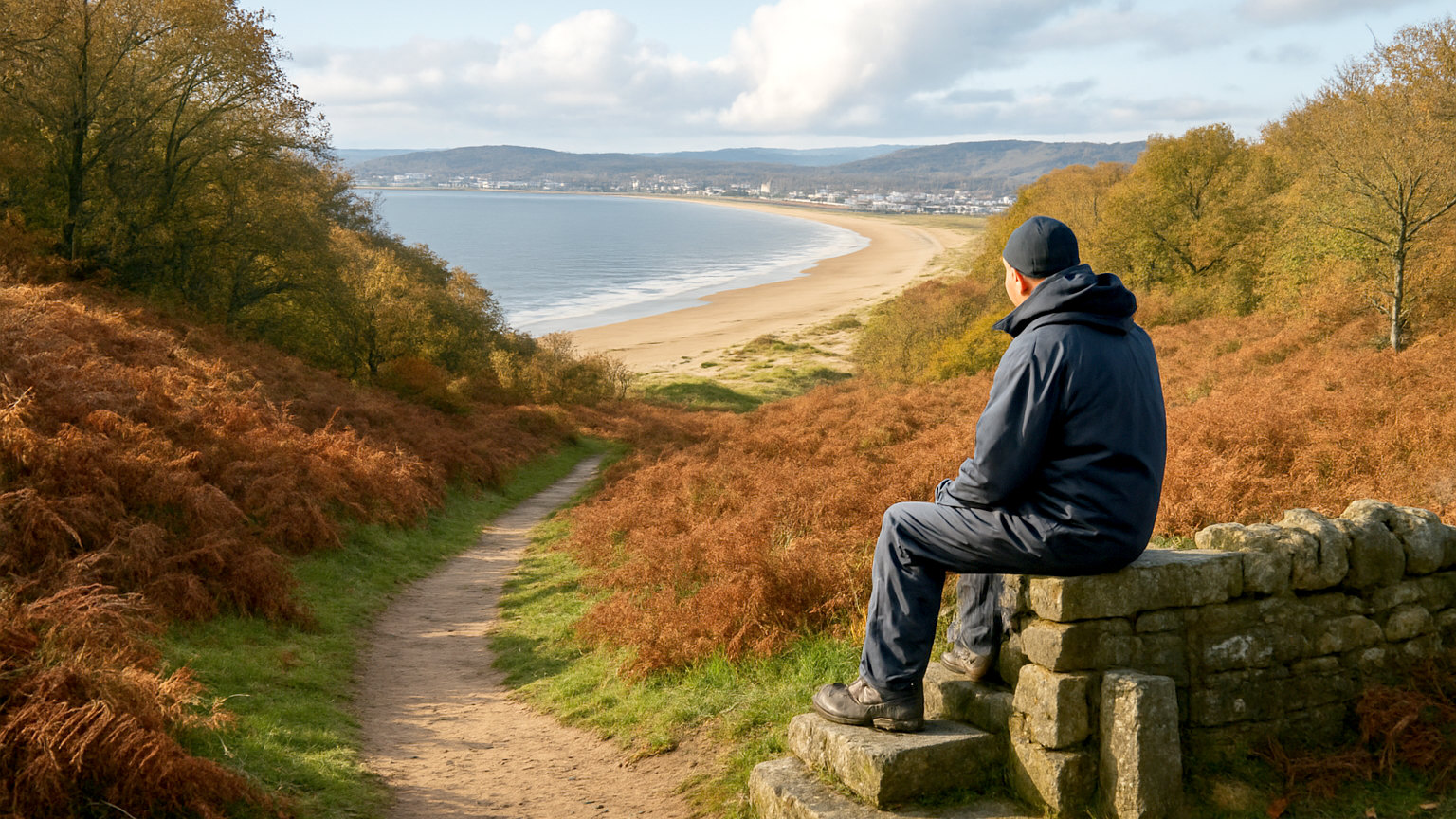
Quiet in a way that the summer version is not. The beaches are empty, the coastal path is walkable without meeting anyone, and the villages return to functioning as places where people live rather than as resorts.
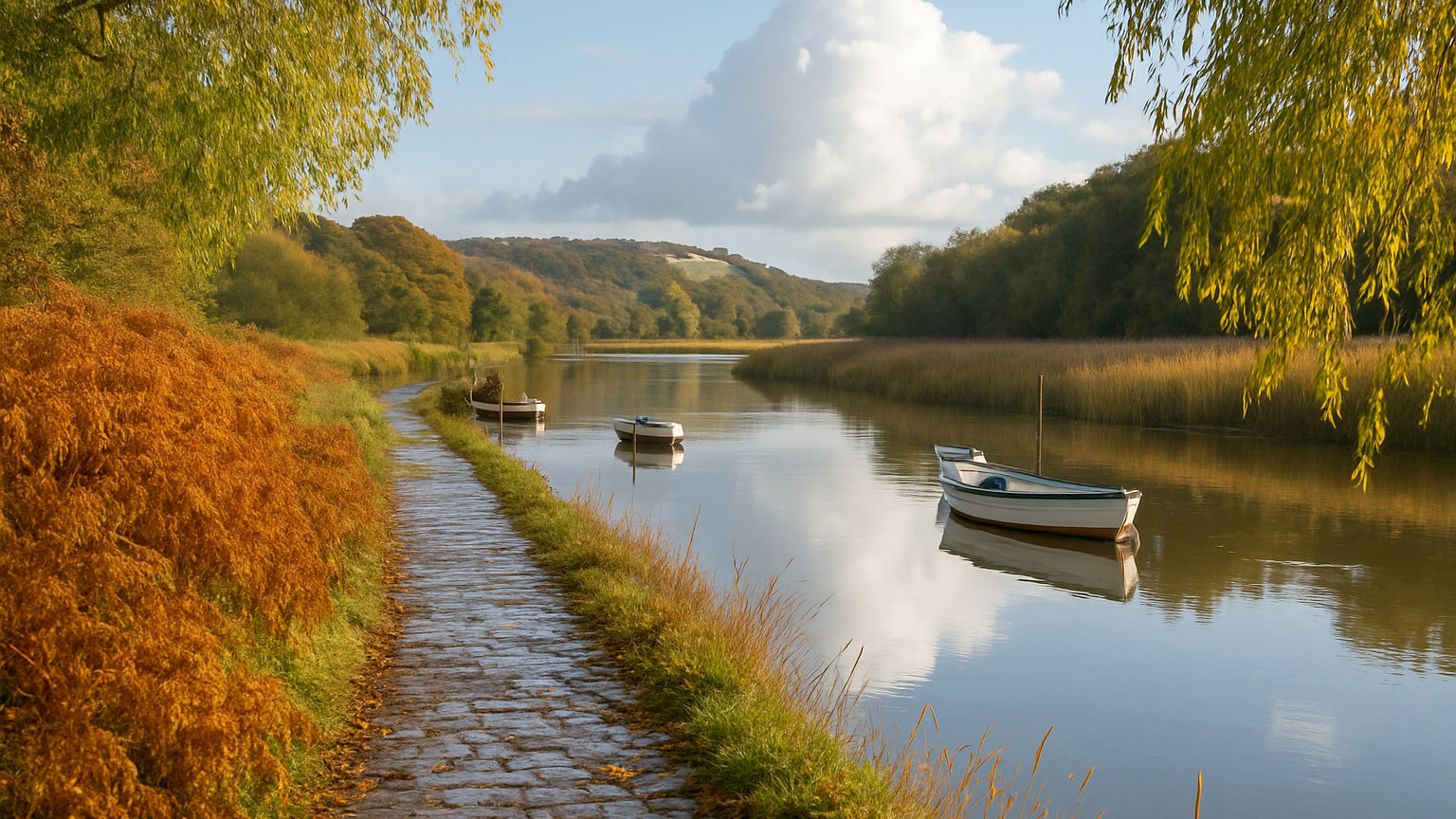
The landscape holds up well out of season. Around half the island is designated for its natural beauty, and the chalk downs, the wooded chines and the southern coast look better in low winter light than in summer haze.
What stays open?
The towns with year round populations: Newport, Ryde, Cowes and Ventnor keep shops, pubs and restaurants trading. Osborne House, Queen Victoria's seaside palace, opens through the winter with reduced hours, as does Carisbrooke Castle.
The main attraction closures are the seasonal ones aimed at families, including some of the theme attractions and the pier amusements. Checking directly before travelling is worthwhile, since hours change and some sites close entirely in January and February.
How much cheaper is it?
Substantially. Ferry fares vary enormously by season, day and time, and a winter crossing can cost a fraction of an August Saturday. Accommodation follows the same pattern, with self catering rates dropping sharply once schools return.
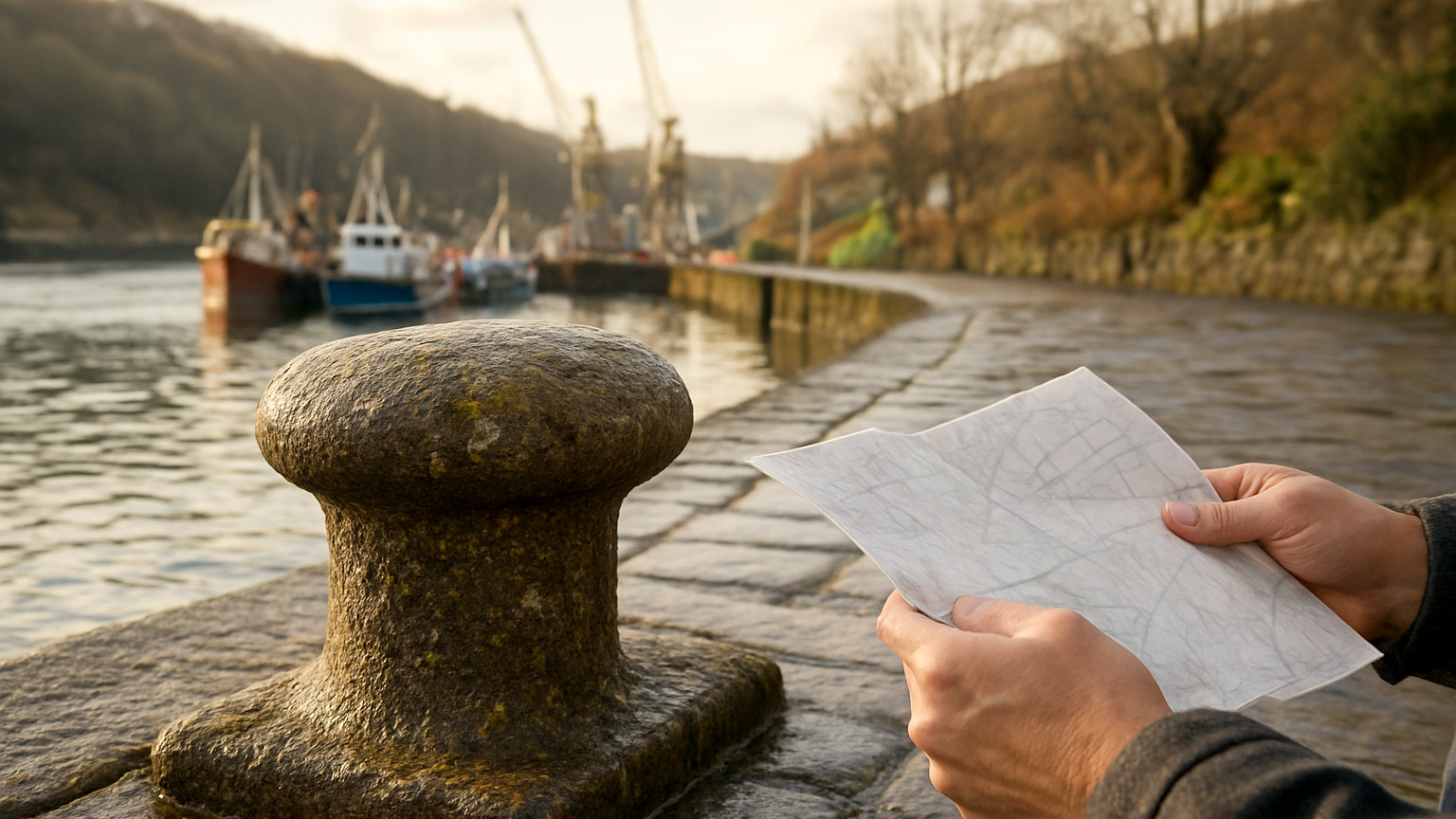
Booking the ferry well in advance and travelling midweek gives the best fares. The car ferries from Lymington, Southampton and Portsmouth all price dynamically, so comparing routes and times is worth a few minutes.
What is the walking like?
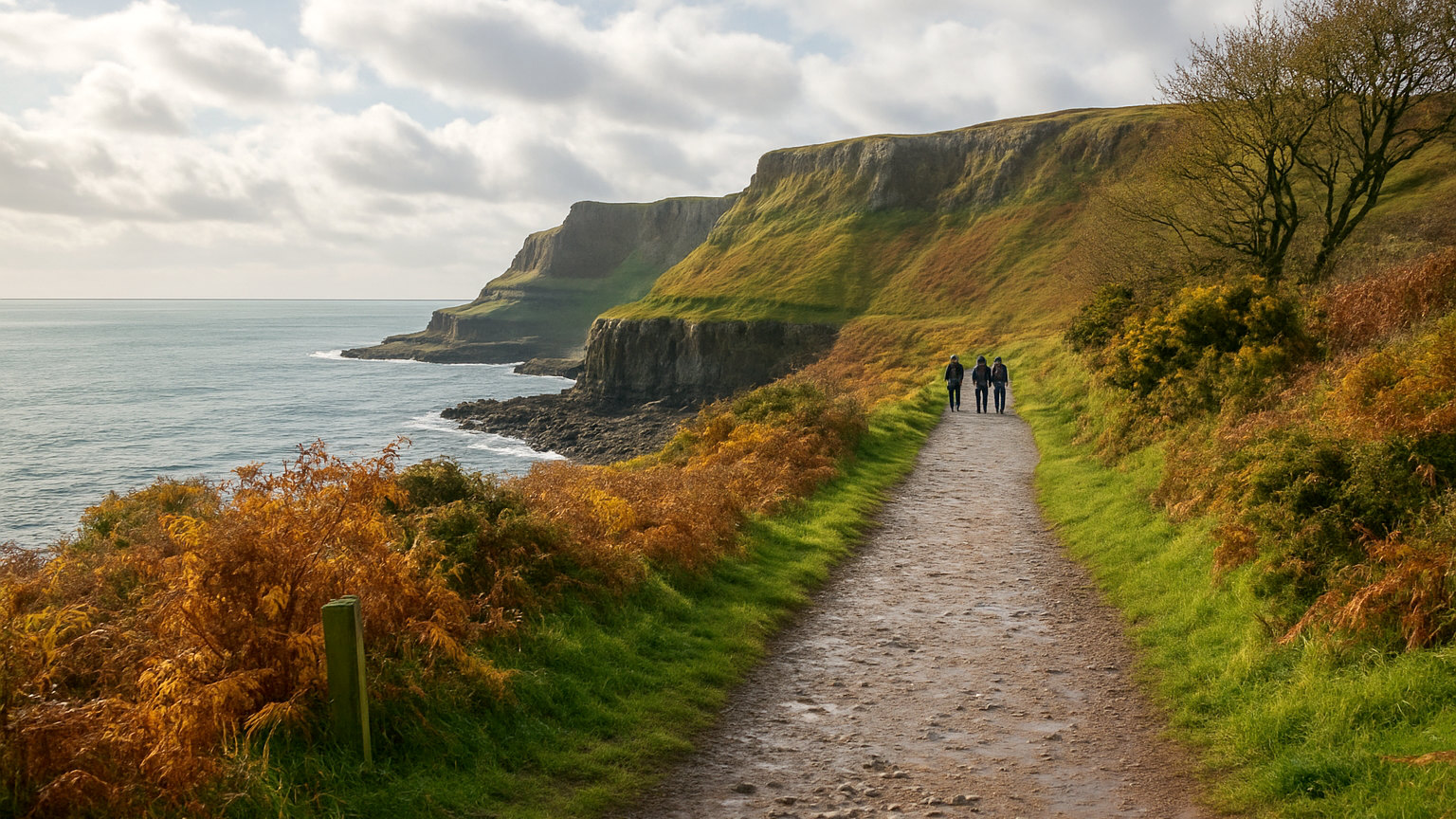
Among the best reasons to come out of season. The island has a large network of well maintained footpaths and a coastal path of around seventy miles that can be walked in a week or in day sections.
The southern coast between Ventnor and Freshwater, taking in the Undercliff and Tennyson Down, is the finest section. The Needles at the western tip are best seen on a clear winter day when the chalk stacks stand out against the sea and the car park is empty.
Can you find fossils?
Yes, and winter is the best time. The island has some of the richest dinosaur fossil beds in Europe, and winter storms expose new material along the south west coast around Compton Bay and Brook.
Collecting loose material from the beach is generally acceptable, while digging into the cliffs is not and is dangerous besides. Guided fossil walks run year round and are the sensible way to learn what you are looking at.
What about the weather?
Mild by British standards. The island is among the sunniest places in the country and frost is uncommon near the coast. Winter here is wet and windy rather than cold.
Storms make the exposed western coast dramatic and occasionally close sections of path after landslips, which are common on the soft southern cliffs. Check for closures before planning a specific route.
Who does an off season trip suit?
Walkers, cyclists, photographers, fossil hunters and anyone who wants a coastal break at low cost without driving for hours. From London the island is reachable in around two and a half hours door to door, which makes a winter weekend genuinely practical.
It suits families with young children less well, since the attractions built for them are the things most likely to be closed. For that audience the shoulder months of May, June and September give the same lower prices with everything still open.
How do you get there?
Three car ferry routes run from Lymington to Yarmouth, Southampton to East Cowes and Portsmouth to Fishbourne, taking between twenty five and forty five minutes. Fast passenger catamarans and a hovercraft serve Ryde from Portsmouth and Southsea in around ten to twenty minutes, which suits foot passengers arriving by train and removes the need for a car entirely.