Wales is more manageable without a car than its rural character suggests, largely because the railway network follows both coasts and cuts through the middle on a line built for reasons that no longer exist. Whether a car free trip works depends almost entirely on which parts you intend to visit, and the difference between the easy areas and the hard ones is stark.
Which railway lines matter?
Four. The North Wales Coast Line runs from Chester along the top of the country to Bangor and Holyhead, serving Llandudno and Conwy. The Cambrian Line runs from Shrewsbury through Machynlleth, splitting for Aberystwyth and for the mid Wales coast up to Pwllheli.
The Heart of Wales Line crosses from Shrewsbury to Swansea through very sparsely populated country and is one of the most scenic and least used lines in Britain. The South Wales Main Line runs from Newport through Cardiff and Swansea to west Wales and the ferry ports.
Which areas work well car free?
The north coast and Eryri, thanks to the coast line, the Conwy Valley branch to Blaenau Ffestiniog and the Sherpa'r Wyddfa bus network linking the mountain trailheads. Walking on Yr Wyddfa is arguably easier without a car than with one, given the parking situation.
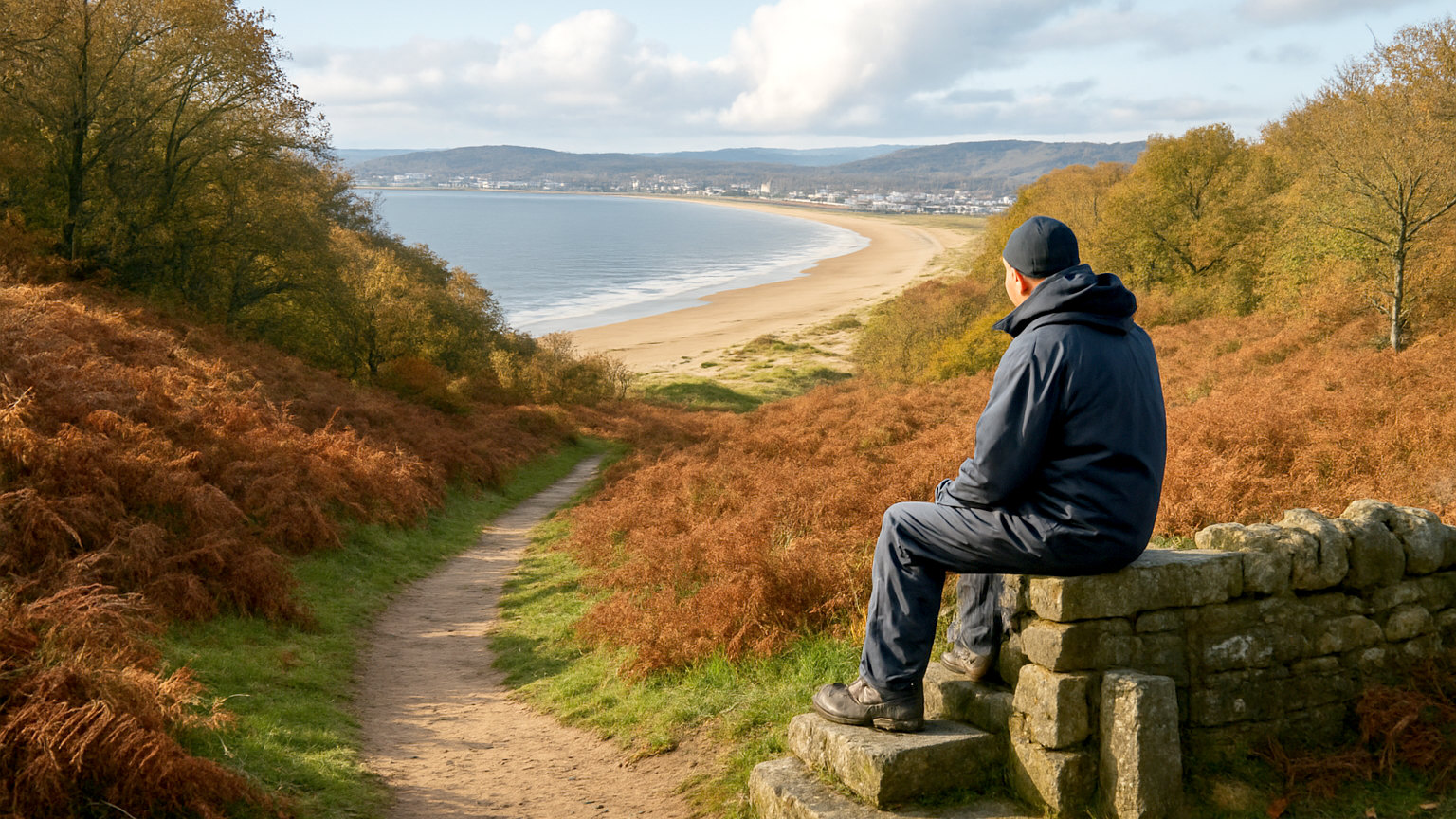
The south coast and the cities are straightforward, with frequent services between Cardiff, Newport, Swansea and the valleys. Pembrokeshire works well because the seasonal coastal bus services run along the coast path, letting walkers travel one way and ride back.
Where does it become difficult?
Mid Wales away from the two railway lines, the interior of the Bannau, the Llyn Peninsula beyond the main road, and the Cambrian Mountains. In these areas buses may run twice a day, not at all on Sundays, or only in summer.
The pattern is the same as elsewhere in rural Britain: the more beautiful and remote the destination, the thinner the service, because the visitor economy assumes cars.
What are the heritage railways worth?
More than a novelty. The Ffestiniog and Welsh Highland Railways together run from Blaenau Ffestiniog through Porthmadog to Caernarfon, which is a genuinely useful transport link as well as a scenic ride, and they connect with the main line at both ends.
The Vale of Rheidol from Aberystwyth to Devil's Bridge, the Talyllyn from Tywyn and the Snowdon Mountain Railway all serve places that are otherwise awkward to reach without driving.
How do you buy tickets sensibly?
Advance tickets for specific trains are considerably cheaper than buying on the day on the longer routes. Railcards giving roughly a third off are available for several groups and usually pay for themselves within one or two return journeys.
Explorer and rover passes covering several days of unlimited travel across Wales exist and suit itineraries that move frequently. For short local hops the saving is smaller and a walk up ticket is fine.
What about buses?
Long distance coaches connect the main cities and are cheaper than trains. Local bus provision varies enormously by county and has been reduced in many rural areas, so check the actual timetable for the actual date rather than assuming a route exists.
Several national park bus services run seasonally and are designed around visitors rather than commuters, including the Sherpa network in Eryri and the coastal services in Pembrokeshire. These are frequently the best option where they run.
What is the practical approach?
Choose accommodation within walking distance of a station or a served bus stop, and build the trip around one or two bases rather than moving daily. Use taxis for the last few miles to a trailhead, which is often cheaper than a week of car hire.
Cycling covers the gaps well on the coasts and the former railway trails, and several long distance routes cross the country. For a first car free trip, the north coast with Eryri, or Pembrokeshire, are the two areas most likely to work without compromise.