Rhyl is a traditional seaside resort on the north Wales coast with a long flat sand beach, a promenade and the amusements that go with both. It has also experienced substantial economic difficulty since the decline of the domestic seaside holiday, which visitors should know before arriving rather than discovering.
What is the beach like?
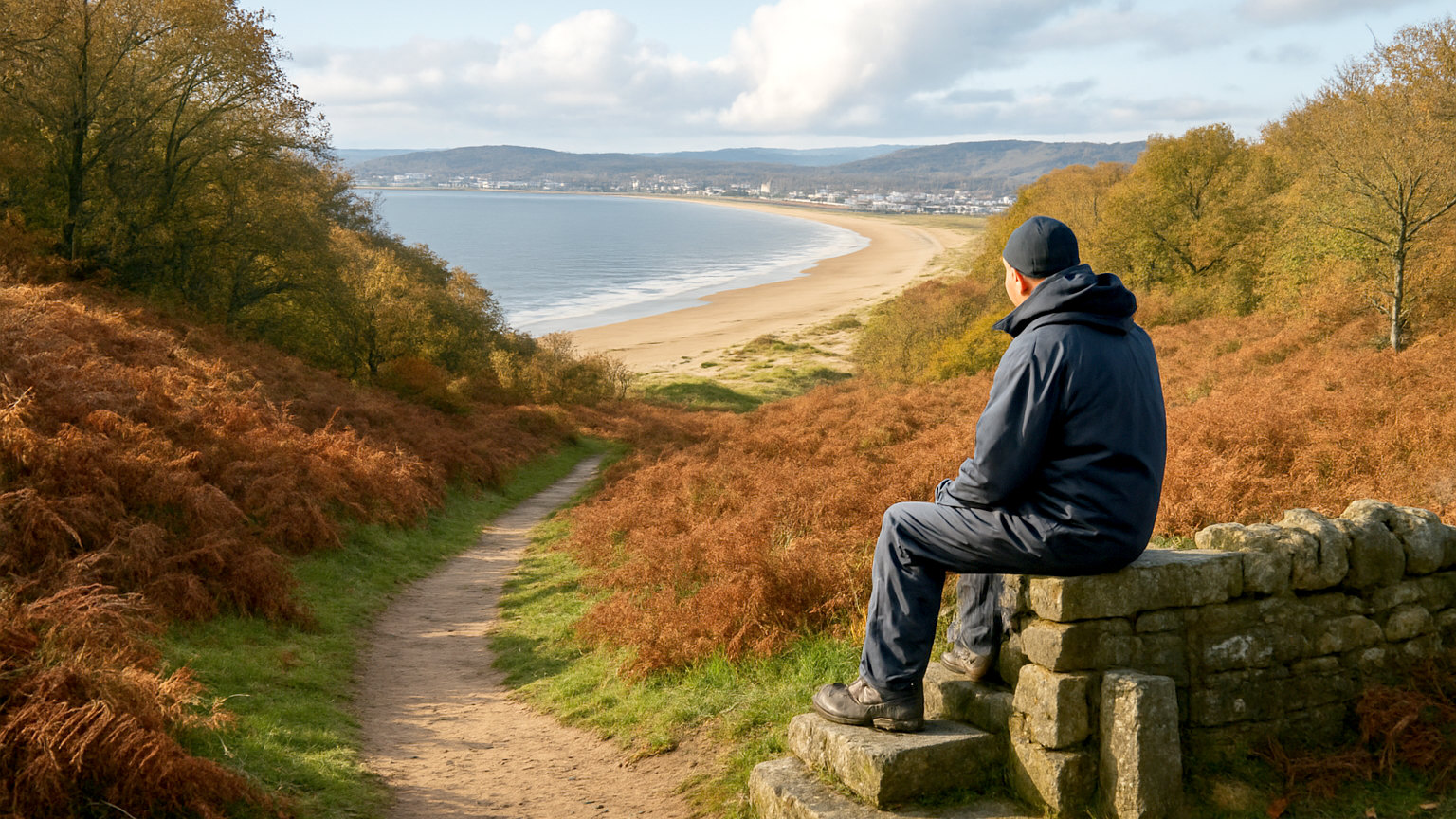
Long, flat and sandy, running for several miles east and west with a promenade behind it and views to the Great Orme in one direction and the Wirral in the other.
The tide goes out a considerable distance, which gives enormous expanses of firm sand and means the sea is a walk away at low water.
What is on the front?
A promenade with amusements, a play area, an events space and the standard seaside offer of arcades and food. A pavilion theatre stages shows through the year.
The town invested in the seafront in recent years, and the difference between the promenade and the streets behind it is noticeable.
What is there for families?
The beach itself, which is the main draw and is genuinely good, with space, sand and safe bathing at the lifeguarded sections in season.
Indoor attractions include an aquarium and leisure facilities, and the town is set up for a traditional bucket and spade holiday at low cost.
Should you be honest about the town?
Yes. Rhyl appears in indices of deprivation and parts of it are visibly struggling, which is common to a good many British seaside towns that lost their trade when foreign package holidays arrived.
That is not a reason to avoid it, and it is a reason to arrive with accurate expectations rather than expecting a polished resort.
What is nearby along the coast?
Prestatyn to the east, where the Offa's Dyke path reaches the sea after crossing the whole Welsh border. Colwyn Bay and Llandudno to the west.
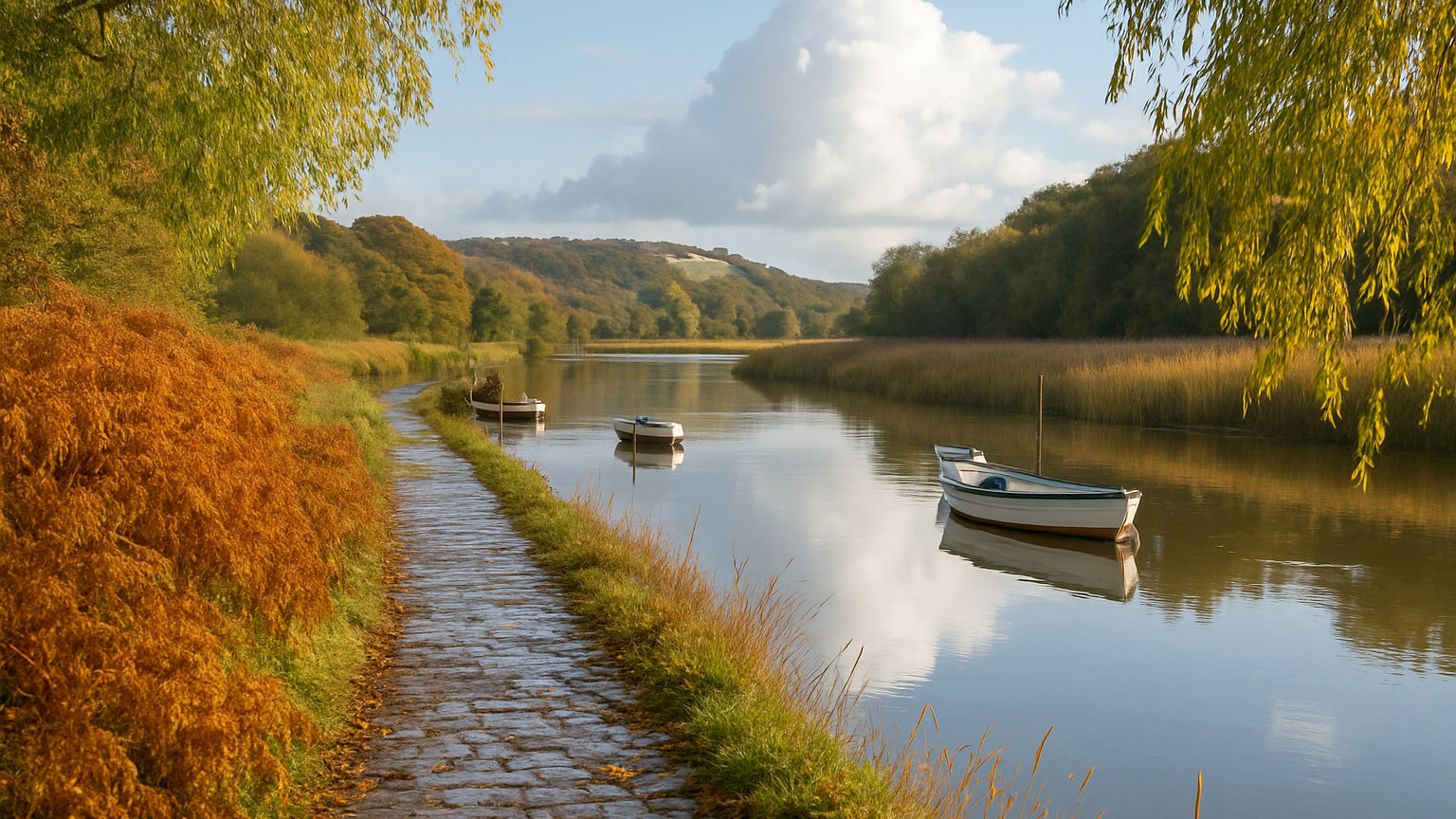
The coast path runs the length of the shore and is flat, surfaced and suitable for cycling.
What is inland?
The Clwydian range, a line of heather hills with hillforts along the ridge and superb walking, designated for its landscape quality and beginning a few miles south.
Moel Famau, the highest of them, is a straightforward walk with a ruined jubilee tower on top and views across to Eryri.
What about the historic towns nearby?
St Asaph, one of the smallest cities in Britain, with a small cathedral. Rhuddlan and Denbigh, both with substantial castle ruins.
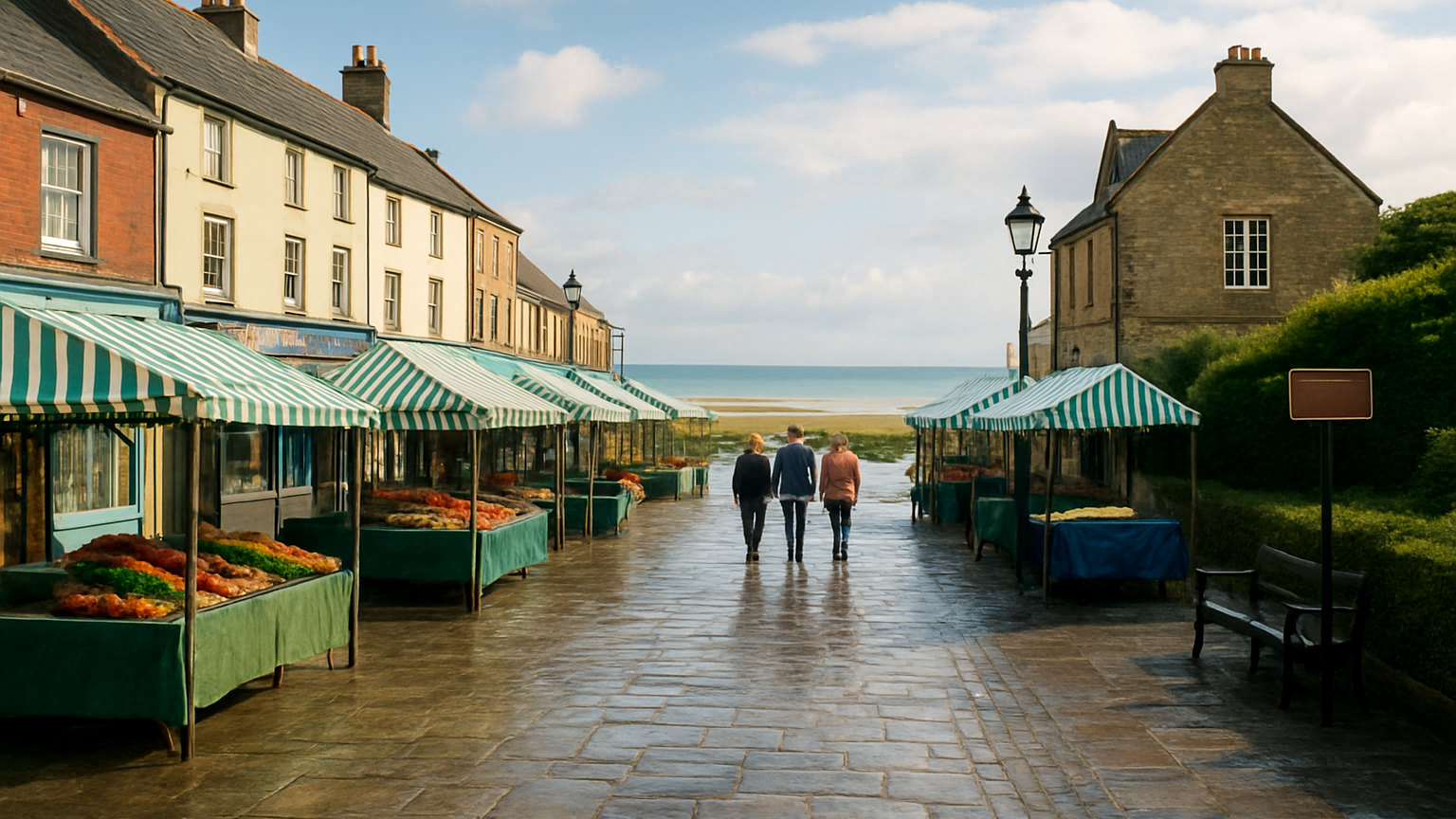
Ruthin, a market town with a timber framed square, and the Vale of Clwyd running south between the hills.
How do you get there?
By train on the north Wales coast line from Chester and Crewe, with the station a short walk from the seafront.
By road it is straightforward from the north west of England, which supplies most of its visitors.
Who does it suit?
Families on a budget wanting a beach holiday with amusements, and anyone using it as a cheap base for the Clwydian hills and the coast.
It suits poorly anyone expecting a smart resort, for which Llandudno half an hour west is the better choice.
How long do you need?
A day for the beach, or several nights if the beach and the amusements are the holiday, which for a good many families they are.
Accommodation is among the cheapest on the Welsh coast, which is a genuine part of the appeal.
What about the wider coast?
The north Wales coast from the Dee estuary to Llandudno is a continuous strip of resorts, caravan parks and beaches, served by a railway and a main road running parallel to the shore. It is unglamorous, well used by families from the north west of England and considerably cheaper than the Welsh coast further west, which is the trade being offered.
One last point in its favour: the beach is genuinely long, genuinely sandy and genuinely free, which for a family holiday on a limited budget is the whole proposition and is delivered honestly.