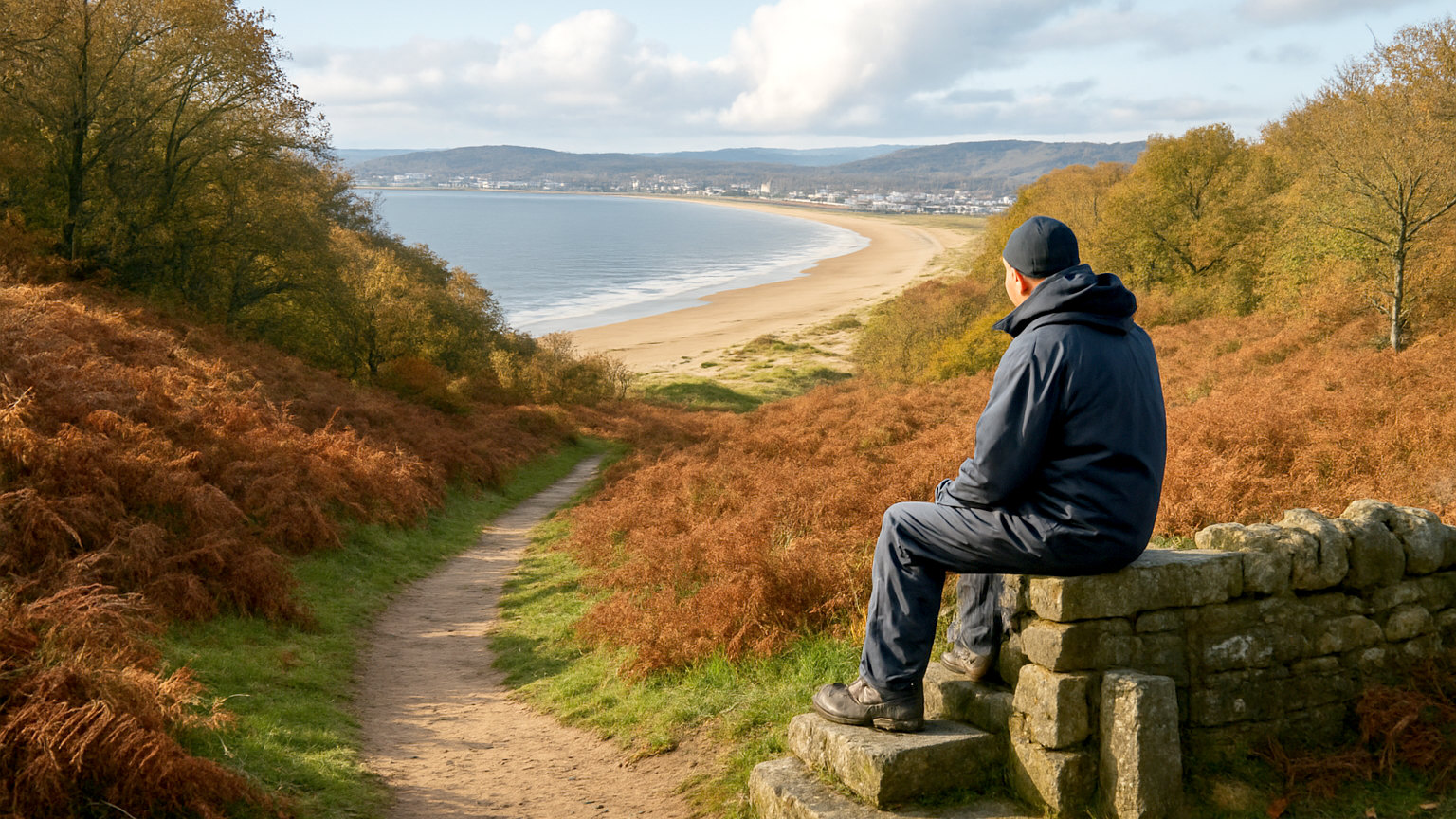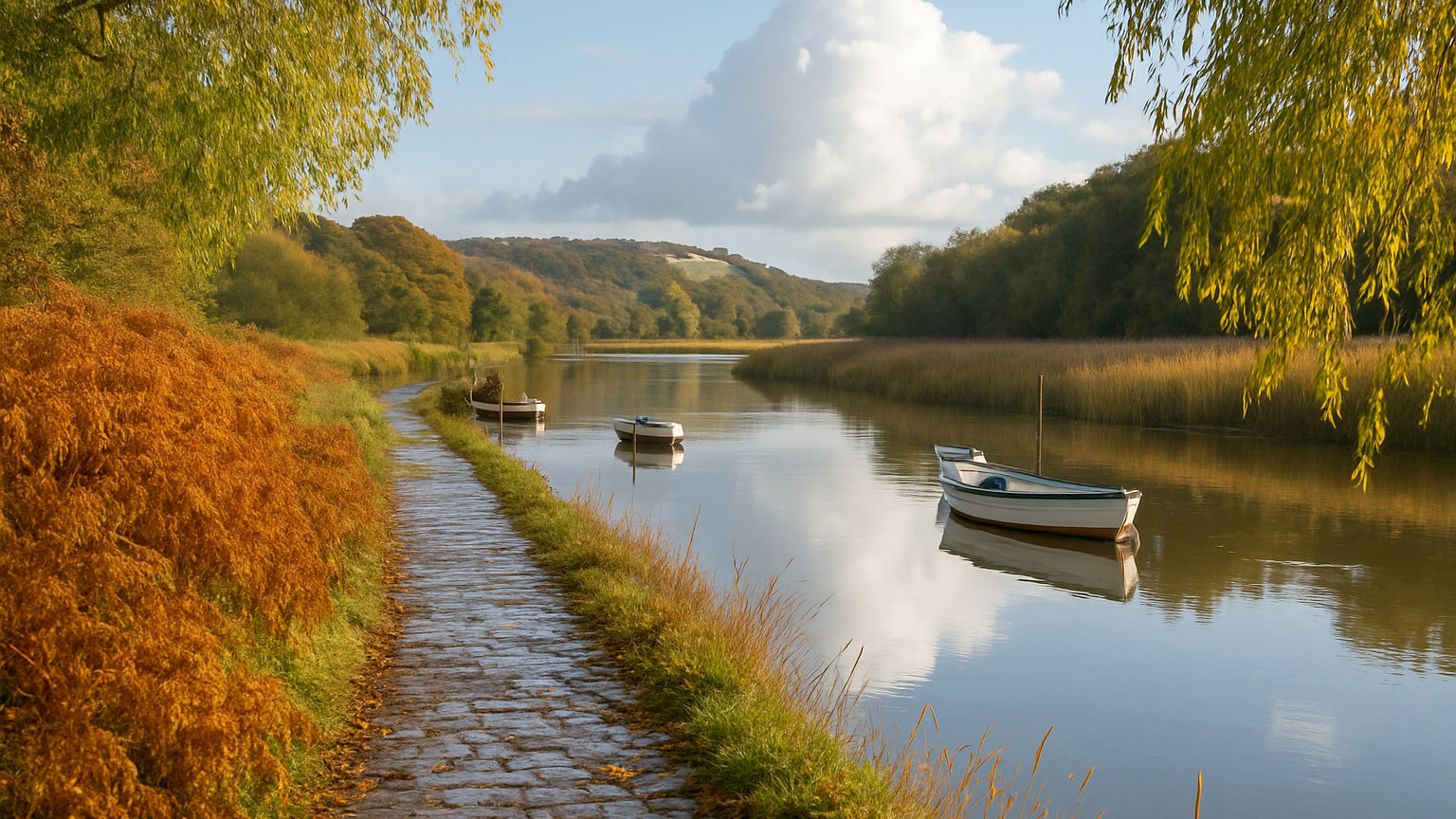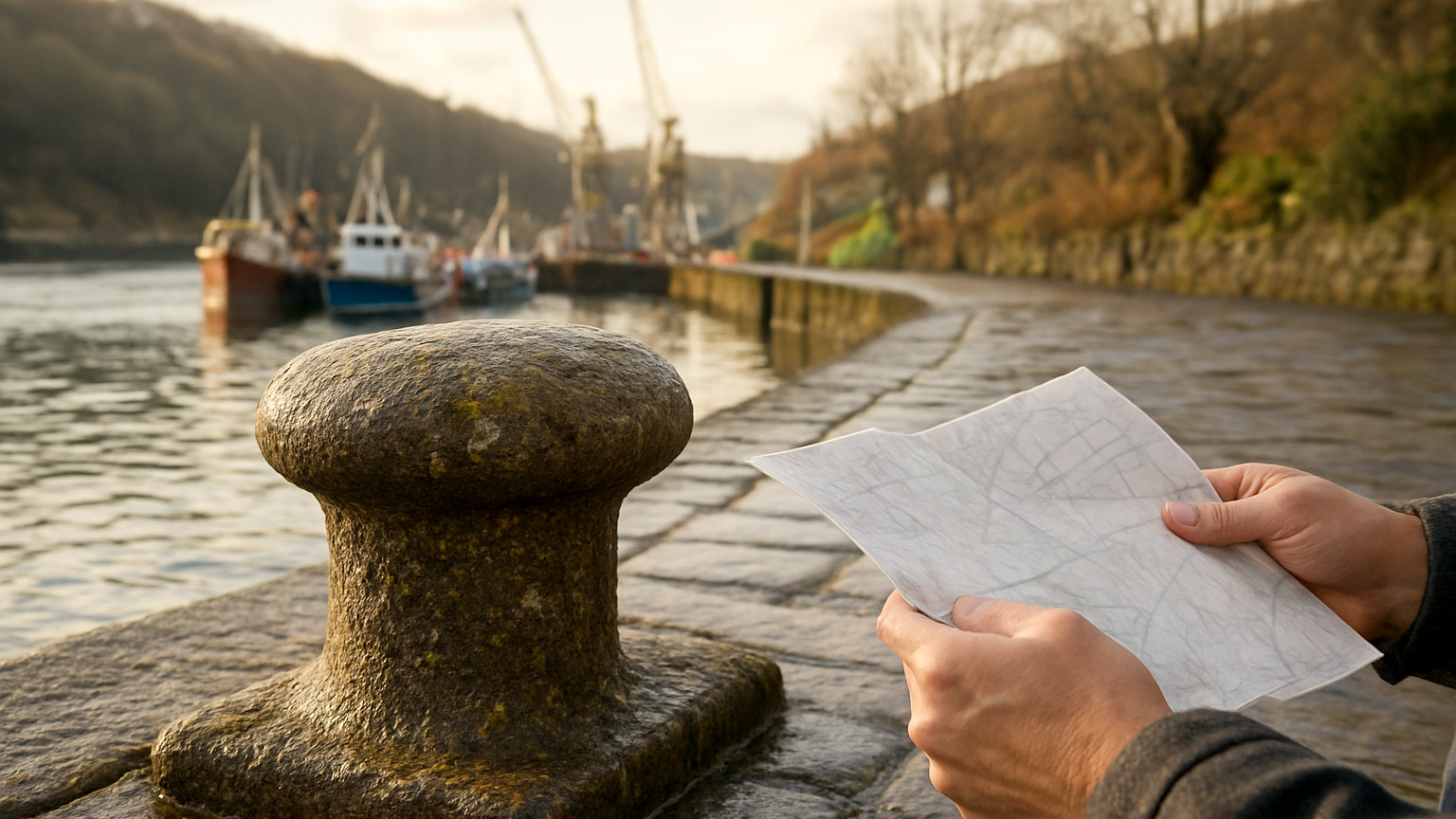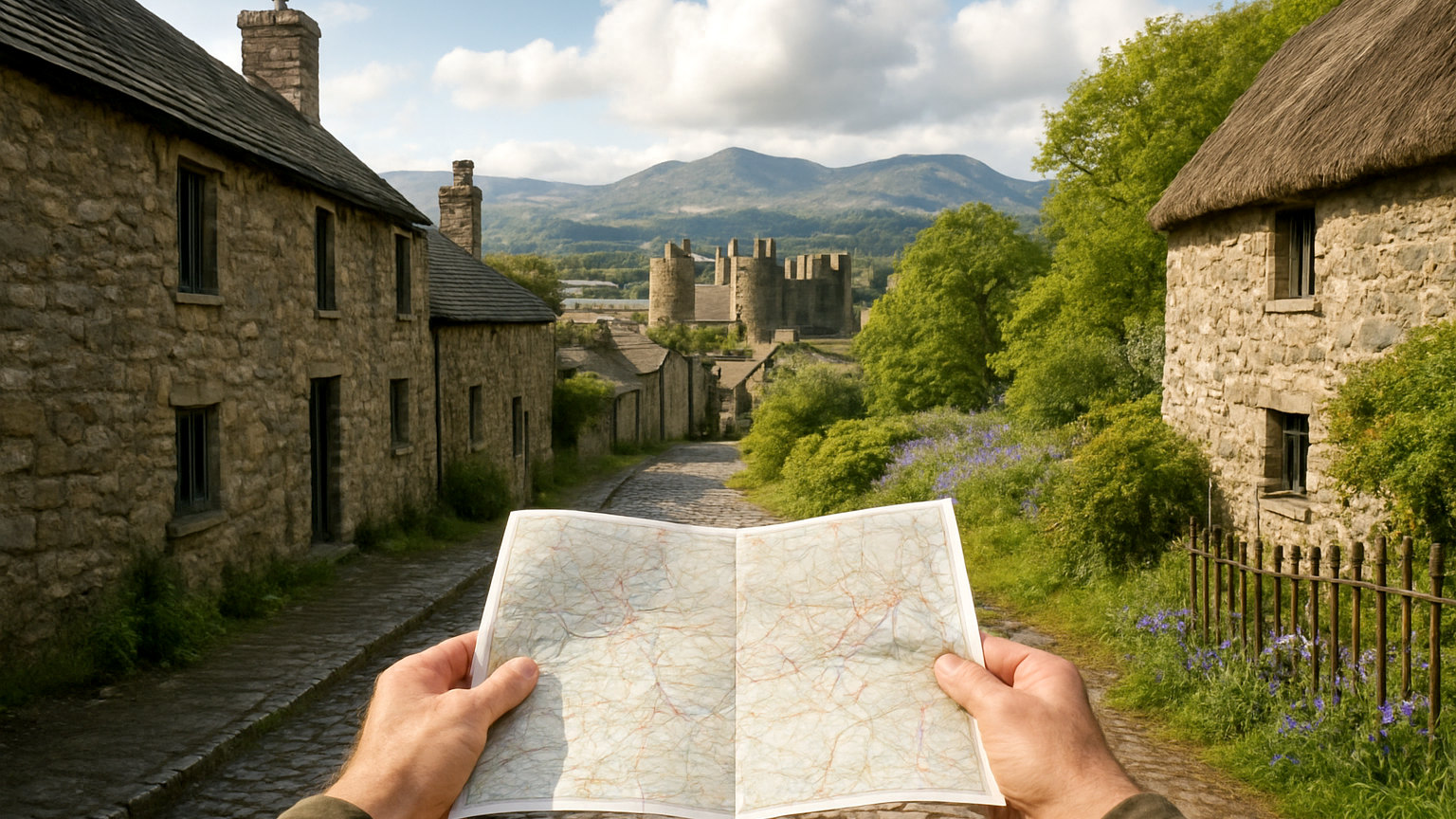
North Wales concentrates a great deal into a small area. Within about an hour's drive you can move from a mountain summit to a walled medieval town to a Victorian seaside promenade to a slate quarry that once roofed the industrial world. Three days is not enough for all of it, but it is enough for a genuinely varied trip if you avoid crossing the region twice.
Why not try to cover everything?
Because the roads through Eryri are slow and the region is wider than it looks. The drive from Llandudno to the Llyn Peninsula or from Betws y Coed to the south of the park each take well over an hour, and in summer traffic considerably more.
Three days allows two clusters comfortably. Attempting four means most of the trip is spent on the A470 and the A55.
What does the mountains and slate route look like?
Base in Betws y Coed, Llanberis or Beddgelert. Day one on Yr Wyddfa or, for a quieter alternative with similar views, the Glyderau from Ogwen or Moel Siabod.
Day two in the slate landscape around Blaenau Ffestiniog, now a World Heritage Site, with the underground trampolines and zip lines for those who want them and the quarry villages and inclines for those who prefer walking. Day three on the Ffestiniog and Welsh Highland Railways, which link Porthmadog to Blaenau and Caernarfon through the heart of the park.
What does the coast and castles route look like?
Base in Conwy or Caernarfon. Day one in Conwy, which has the most complete set of medieval town walls in Britain and a castle to match, plus the smallest house in Britain on the quay.
Day two at Caernarfon and Beaumaris on Anglesey, both part of the same World Heritage group of Edwardian castles. Day three on the Llyn Peninsula, which is quieter and strongly Welsh speaking, with coves at Porthdinllaen and Aberdaron and the pilgrim island of Bardsey offshore.
Can you do it without a car?
Better than most of rural Britain. The North Wales coast railway runs along the top of the country to Holyhead, the Conwy Valley line runs inland to Blaenau Ffestiniog, and the heritage railways connect onwards to Porthmadog and Caernarfon.
The Sherpa'r Wyddfa bus network covers the trailheads in Eryri. A three day trip built on the railway and buses works well and removes the parking problem entirely, which in summer is a substantial advantage.
What is worth seeing that visitors miss?
Portmeirion, an Italianate village built on a wooded peninsula, which is unlike anything else in Britain. The Great Orme above Llandudno, reached by tramway or cable car, with Bronze Age copper mines and feral goats.
Penrhyn Castle near Bangor, a nineteenth century fantasy of a Norman keep built on slate and sugar money, with a difficult history that the property now addresses directly.
When should you go?
May, June or September. July and August bring heavy pressure on parking at the mountain trailheads and on the coast road, and accommodation prices reflect it. Weekdays at any time of year are noticeably quieter than weekends.
Winter is a reasonable option for the castles, the railways and the coast, though several heritage attractions and railways run reduced services or close entirely between November and March. Check before travelling rather than assuming, since a closed railway removes a whole day from a three day plan.
What should you leave for another trip?
The southern half of Eryri around Dolgellau and Cadair Idris, Anglesey beyond Beaumaris, and mid Wales. Each deserves its own long weekend, and adding any of them to three days in the north turns a relaxed trip into a driving one.
If you have a fourth day, the best use of it is not another cluster but more time in the one you chose. A second mountain day, or an afternoon walking the Llyn coast rather than driving past it, adds more to the trip than a hurried run to Anglesey and back.