Mid Wales is the broad band of country between the Brecon Beacons and Eryri, covering most of Powys and Ceredigion. It has no motorway, no large city and no single famous attraction, and it is among the most sparsely populated areas in Britain. Most visitors drive through it on the way somewhere else, which is precisely why it is worth stopping.
What is the landscape like?
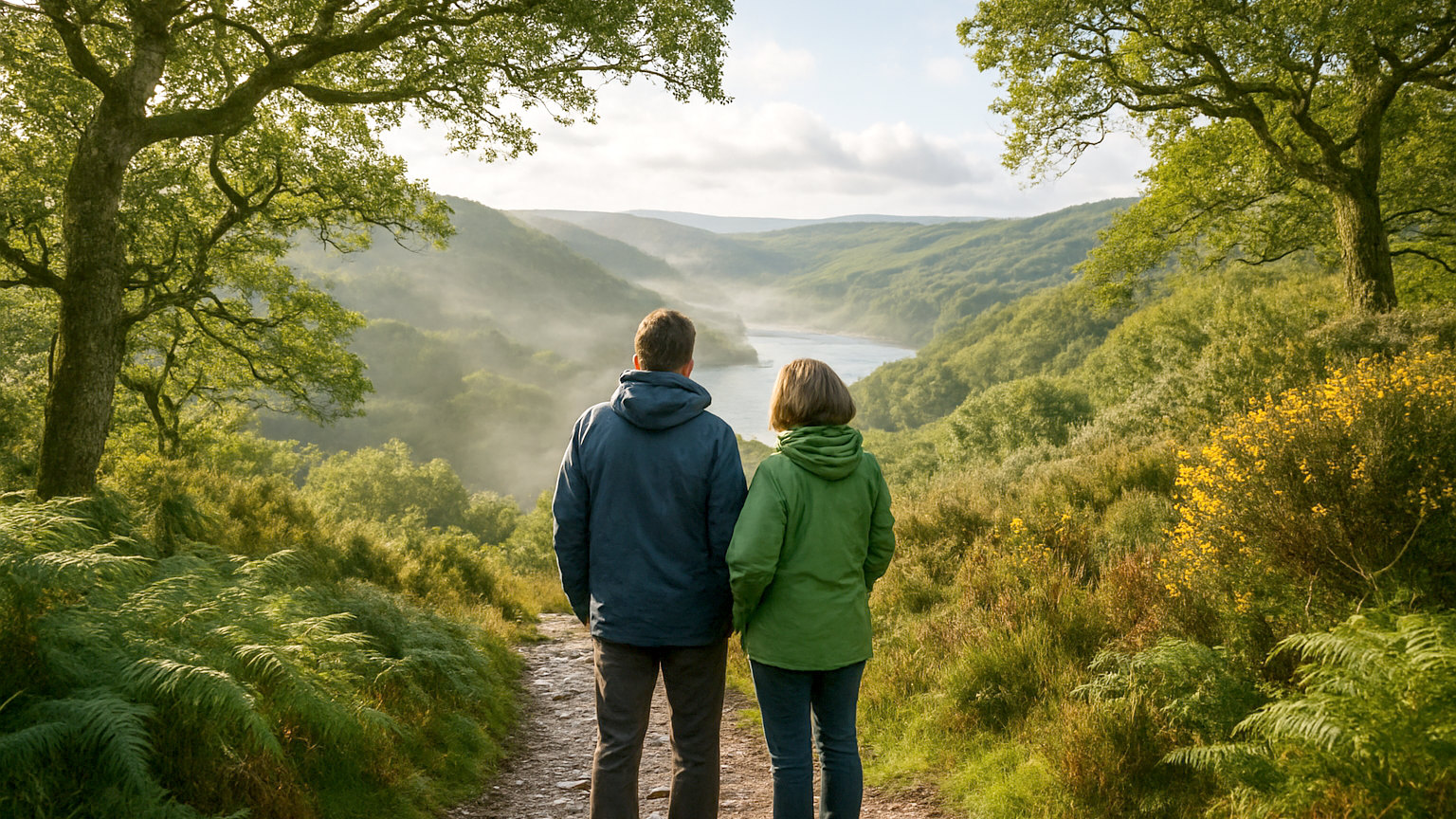
Rolling upland rather than dramatic mountain, with the Cambrian Mountains running down the spine of the region as an expanse of moorland, forestry and reservoir. It is sometimes called the green desert of Wales, a phrase that captures both the emptiness and the fact that very little of it is truly wild.
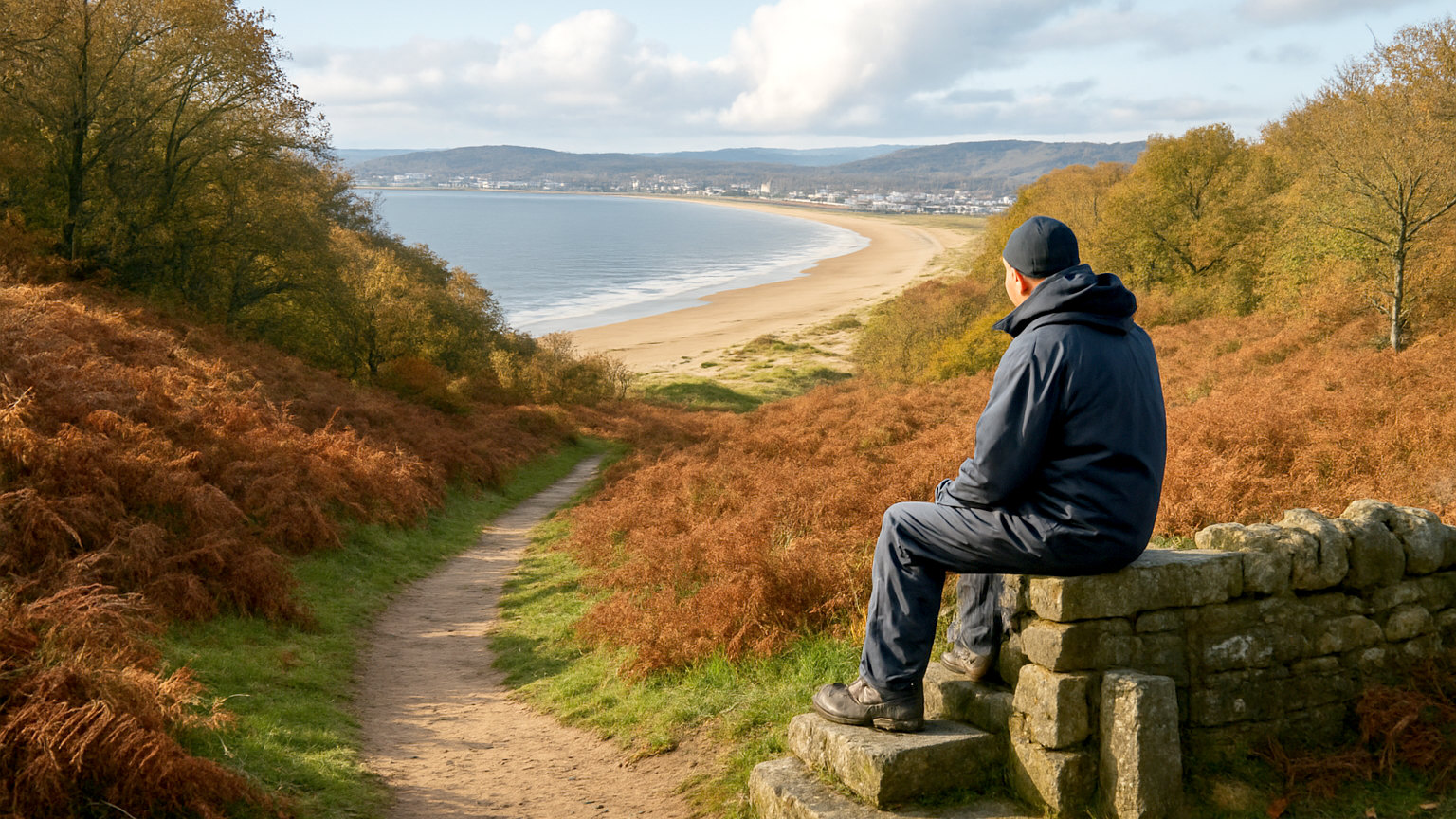
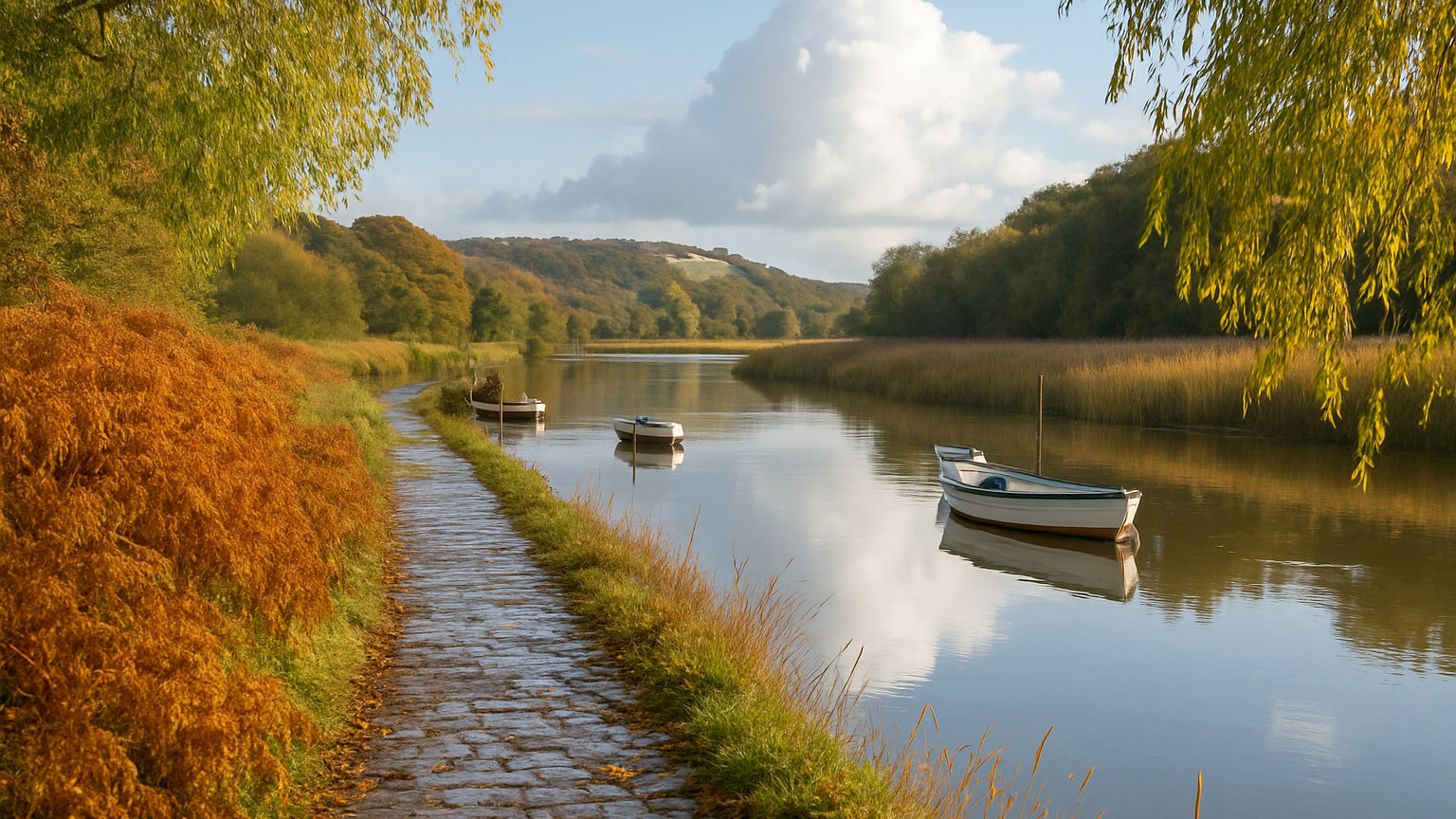
The valleys are wooded and pastoral, the hills are open and boggy, and the coast at Cardigan Bay is a series of small resorts and long beaches.
What is the Elan Valley?
A chain of Victorian reservoirs and dams built to supply Birmingham with water, set in a landscape of steep wooded valleys. The dams are architecturally substantial, deliberately built to look impressive, and the estate around them covers a large area of open access land.
It also holds international dark sky park status, has a network of walking and cycling trails on former railway lines, and is one of the best places in Britain to see red kites and other upland birds. Entry to the estate is free.
Why are the red kites significant?
The red kite was reduced to a handful of breeding pairs in mid Wales in the twentieth century, and every red kite now flying in Britain descends in part from that remnant population. The recovery is among the most successful conservation stories in the country.
Feeding stations at Gigrin Farm near Rhayader and elsewhere put on daily feeds where dozens or hundreds gather, which is a genuine spectacle. They are also now common enough to be seen from the road across much of the region.
Which towns are worth a stop?
Machynlleth, which has a strong independent and alternative character and claims the site of the last Welsh parliament. Hay on Wye for second hand books. Llanidloes and Rhayader as small market towns with Georgian centres.
Aberystwyth on the coast is the largest town, a Victorian seaside resort and university town with a promenade, a ruined castle, a cliff railway and the National Library of Wales, which holds the country's documentary heritage and is free to enter.
What is there to do outdoors?
Walking on the Cambrian Way and the Glyndwr's Way national trail, which crosses the region and is among the least walked long distance paths in Britain. Mountain biking in the forestry centres, several of which are purpose built and well regarded.
The Cambrian Line railway runs from Shrewsbury through Machynlleth to Aberystwyth and Pwllheli and is a scenic journey in its own right. The narrow gauge Vale of Rheidol Railway climbs to Devil's Bridge, where three bridges are stacked above a wooded gorge and waterfalls.
Where should you base yourself?
Machynlleth or Aberystwyth for the coast and the north of the region. Rhayader or Builth Wells for the Elan Valley and the centre. Hay on Wye or Presteigne for the border country, which is greener and gentler.
Distances between them are modest but the roads are slow, winding and often single track over the hills. The mountain road from Rhayader to Devil's Bridge is a fine drive and takes far longer than the mileage suggests.
Who does it suit?
Anyone who wants space, quiet roads and low prices, and who does not need a list of attractions. It suits cyclists, walkers, birdwatchers, book buyers and drivers who enjoy empty roads, and it is the part of Wales where an August trip involves no crowds at all.
It suits families and first time visitors less well, since the entertainment is largely what you bring to it and rain with nothing indoor to do can be a long day.