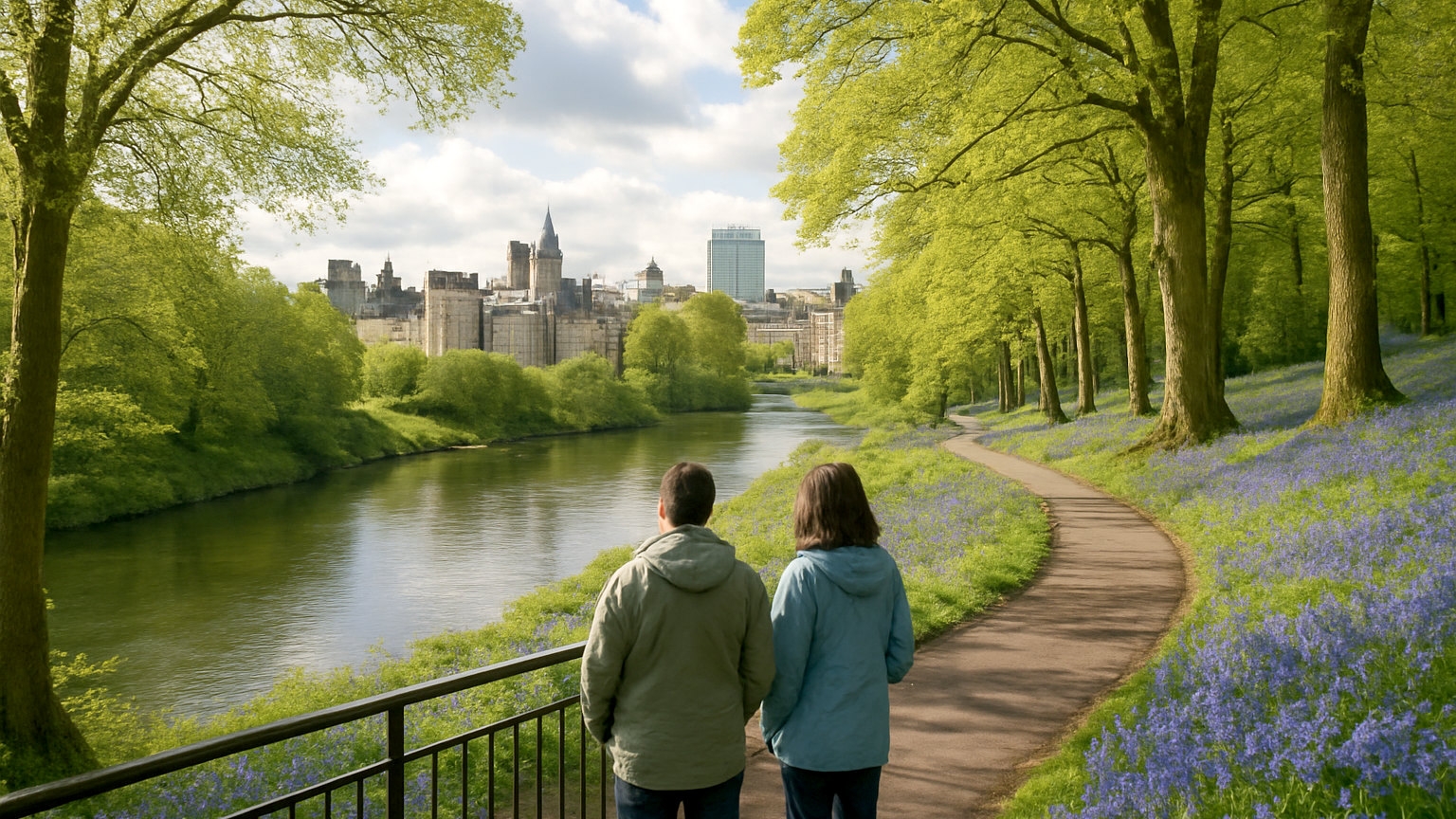
Cardiff became the capital of Wales only in 1955 and grew on coal exported from the valleys behind it, which at one point made its docks the busiest coal port in the world. The result is a compact city with a castle in the middle, Edwardian civic buildings of considerable grandeur and a waterfront rebuilt from nothing.
What is at the castle?
Rather more than a castle. A Roman fort, a Norman motte you can climb, medieval walls, and inside them a Victorian mansion with interiors of extraordinary elaboration created for a family made wealthy by the docks.
The rooms are gilded, painted and carved to a degree that surprises visitors expecting a medieval shell. Wartime tunnels within the walls are also open.
What are the arcades?
Cardiff has more surviving Victorian and Edwardian shopping arcades than anywhere else in Britain, forming a network of glass roofed passages linking the main streets.
They hold most of the city's independent shops, cafes and record dealers, and walking a circuit of six or seven takes an hour and covers most of the centre.
What about the museum?
National Museum Cardiff, free, which combines Welsh archaeology and natural history with an art collection including a remarkable group of impressionist paintings left to the nation by two sisters.
It sits among the white Portland stone civic buildings of Cathays Park, which are worth walking round in their own right.
What is Cardiff Bay?
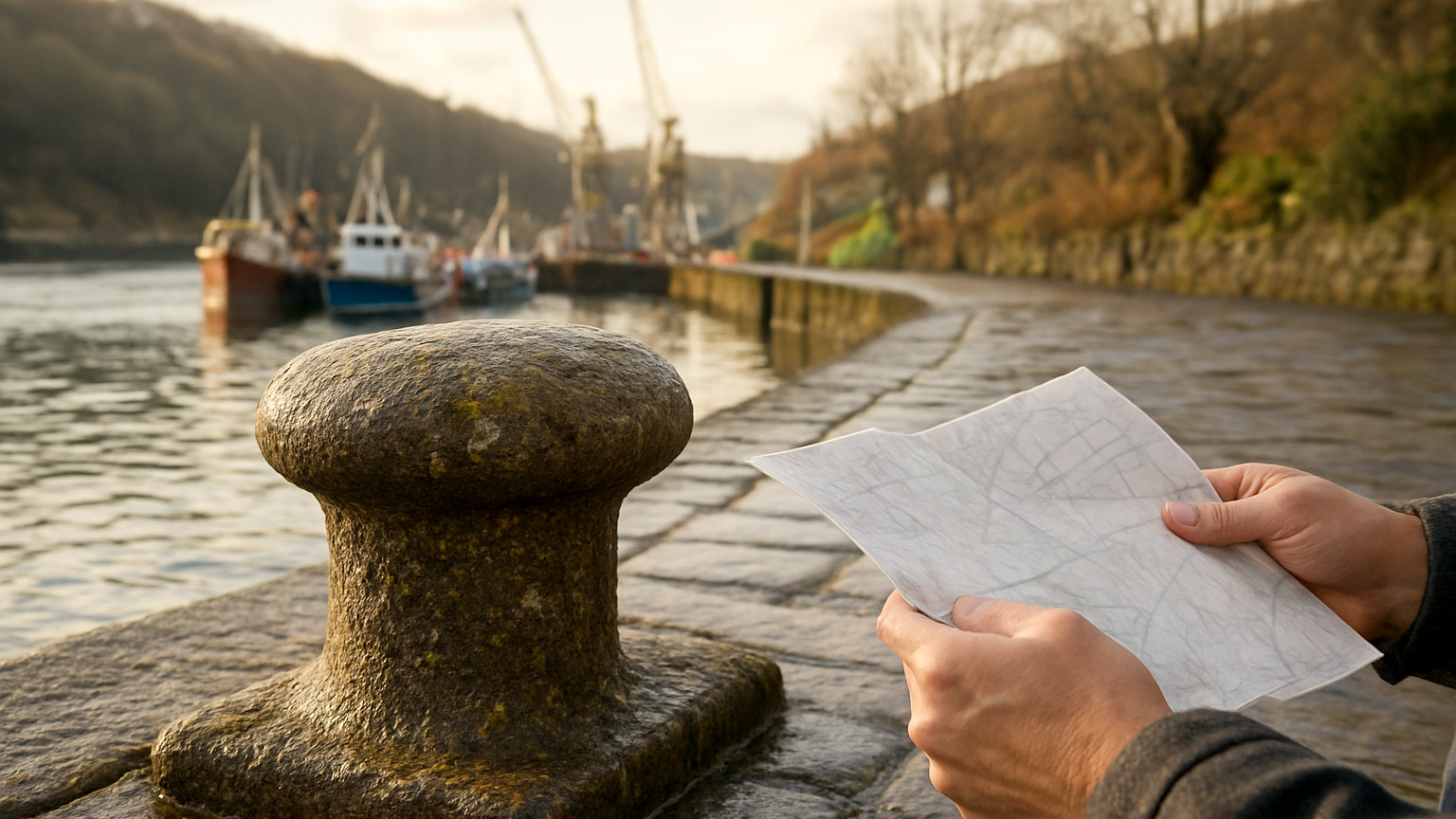
The former docks, redeveloped after a barrage created a freshwater lake, now holding the Welsh parliament building, an arts centre clad in Welsh slate, restaurants and a waterfront walk.
A small red brick building on the quay is the surviving Victorian dock office, and the Norwegian church nearby served Scandinavian sailors.
What about rugby?
The national stadium sits in the middle of the city rather than on its edge, and on international days the whole centre is given over to it in a way few other capitals manage.
Tours run on non match days. If you are visiting for the city rather than the game, check the fixture list, since accommodation fills and prices rise sharply.
What is St Fagans?
An open air museum on the western edge of the city, free, holding buildings moved from across Wales and rebuilt, from a Celtic village reconstruction to ironworkers' cottages furnished to different decades.
It is among the best museums in Britain and needs. most of a day.
How do you get around?
On foot in the centre, which is small, with a train to the bay and local lines running up the valleys.
Cardiff is two hours from London by train and well connected to Bristol and the west of England across the Severn.
What day trips work?
The Brecon Beacons within an hour, the Gower peninsula and Swansea to the west, and the Wye Valley and Tintern to the east.
The valleys immediately north, where the coal came from, hold industrial heritage including a colliery you can descend and an ironworks, both free.
Where should you eat?
The arcades and the streets around them for independents, and Pontcanna and Canton to the west for neighbourhood restaurants.
The city is noticeably cheaper than Bristol across the water for comparable quality.
How long do you need?
Two nights for the city and St Fagans, three if you want the bay and a valley trip.
It works well as a base for south Wales generally, with the Beacons, the Gower and the Wye all within reach.
What about the coal history?
Cardiff exported more coal than any port in the world at its peak, all of it brought down from the valleys by rail to docks that no longer exist in that form. The Coal Exchange building, where prices were set for the world market, still stands in the bay. Understanding that trade explains both the city's Edwardian grandeur and the poverty of the valleys that produced the wealth.