Wales is small enough to cross in a few hours and varied enough that the weather on one coast tells you very little about the other. It has three national parks, an eight hundred mile coast path and a peak season squeezed into about ten weeks, which means the timing of a trip changes the experience here more than the destination does.
What does each season deliver?
Spring, from April to early June, is the strongest all round period. The weather is at its driest, the coast path is at its best with sea pinks and gorse on the cliffs, lambing is underway and the crowds have not arrived.
Summer brings the warmest sea and the biggest crowds. Autumn gives colour in the wooded valleys, quieter beaches and much lower prices. Winter is dark and wet in the uplands but the coast stays mild and the mountains carry snow often enough to be worth the trip for walkers with the right skills.
Which weeks are busiest?
Late July and August, driven by school holidays across Wales and England, and the two weeks around Easter. Pembrokeshire, the Gower and the north Wales coast absorb most of that pressure, and accommodation prices in those areas roughly double.
Welsh schools break up at a slightly different point from English ones, and the busiest single period is the fortnight either side of the August bank holiday. The last week of June and the first fortnight of September are almost identical in weather and considerably cheaper.
How much does the weather vary across the country?
Substantially. The prevailing south westerly wind arrives loaded with Atlantic moisture and drops most of it on the western mountains, so Eryri and the Cambrian Mountains are among the wettest places in Britain while the Welsh border country near Hay and Monmouth is markedly drier.
This matters practically. A poor forecast for Snowdonia frequently does not apply to Pembrokeshire or the Wye Valley, and a trip that can move east when the weather turns is worth planning that way.
When is the sea warmest?
Late August and September, because sea temperature lags around two months behind air temperature. Swimming in June is colder than most visitors expect, and the water is at its most tolerable just as the beaches empty after the schools return.
This makes early September one of the best weeks of the year on the Welsh coast: warm water, quiet sand and prices that have dropped from the peak.
What about daylight?
Midsummer gives around seventeen hours of usable light, which is enough for a mountain day and an evening on a beach. Midwinter gives around eight, which is enough for one substantial activity and not much more.
Winter walking in the mountains needs a genuinely early start, since being caught on a ridge at four in the afternoon in December means finishing in the dark. Coastal and valley walking is far less affected.
When do the mountain roads become difficult?
Between November and March, when snow and ice affect the passes in Eryri and the higher routes across the Cambrians and the Bannau. Roads such as the Llanberis Pass and the road over the Bwlch are occasionally closed or treacherous, and conditions can change quickly.
Lower routes stay open almost always. The practical advice for winter driving here is to check conditions on the morning rather than the forecast from two days earlier, and to allow far more time than a summer estimate suggests.
What is the best value month?
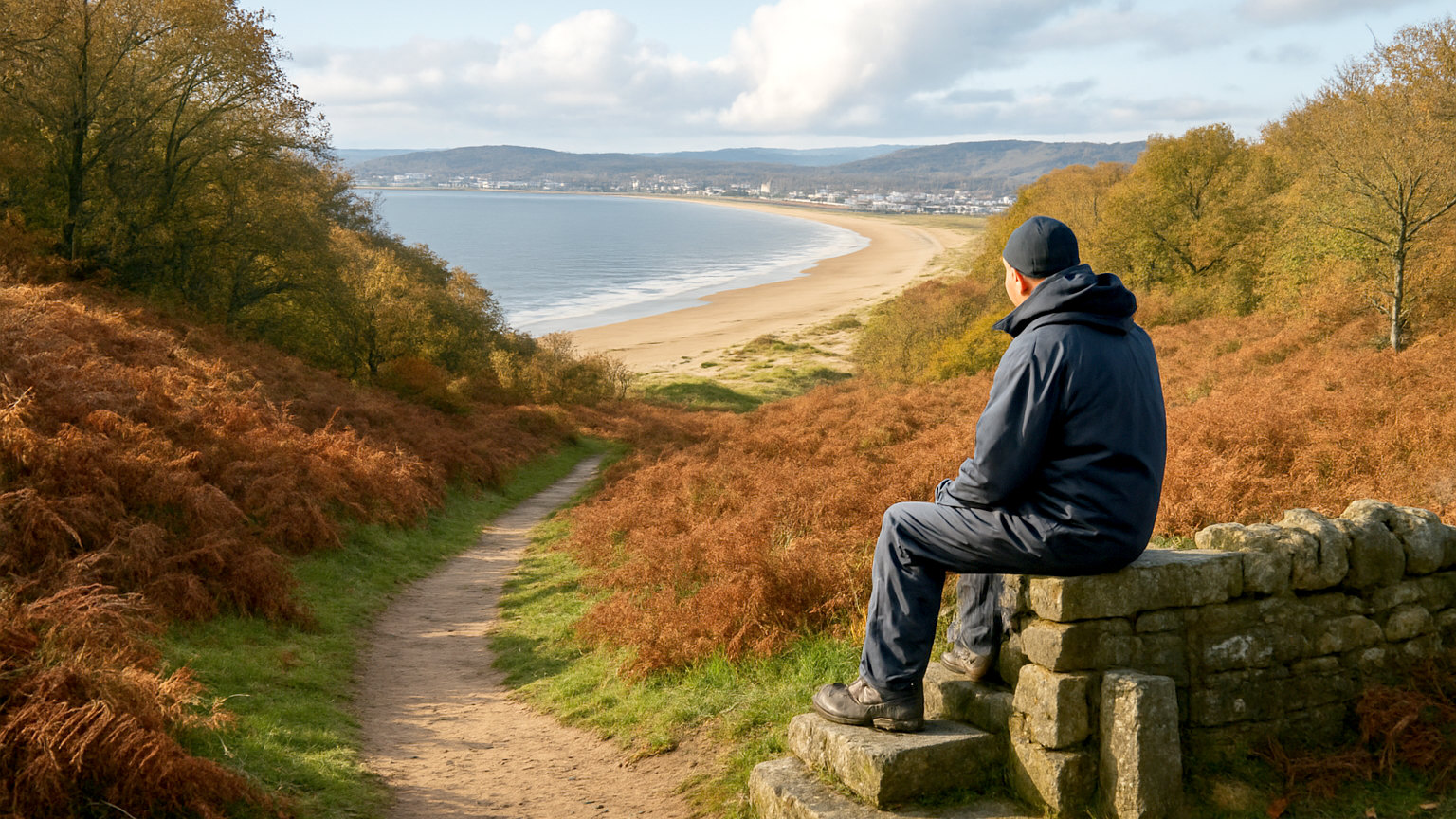
September, followed by May. September gives the warmest sea, autumn light, empty beaches after the first week and accommodation that has come off the peak. May gives the driest weather, long evenings, everything open for the season and very few visitors.
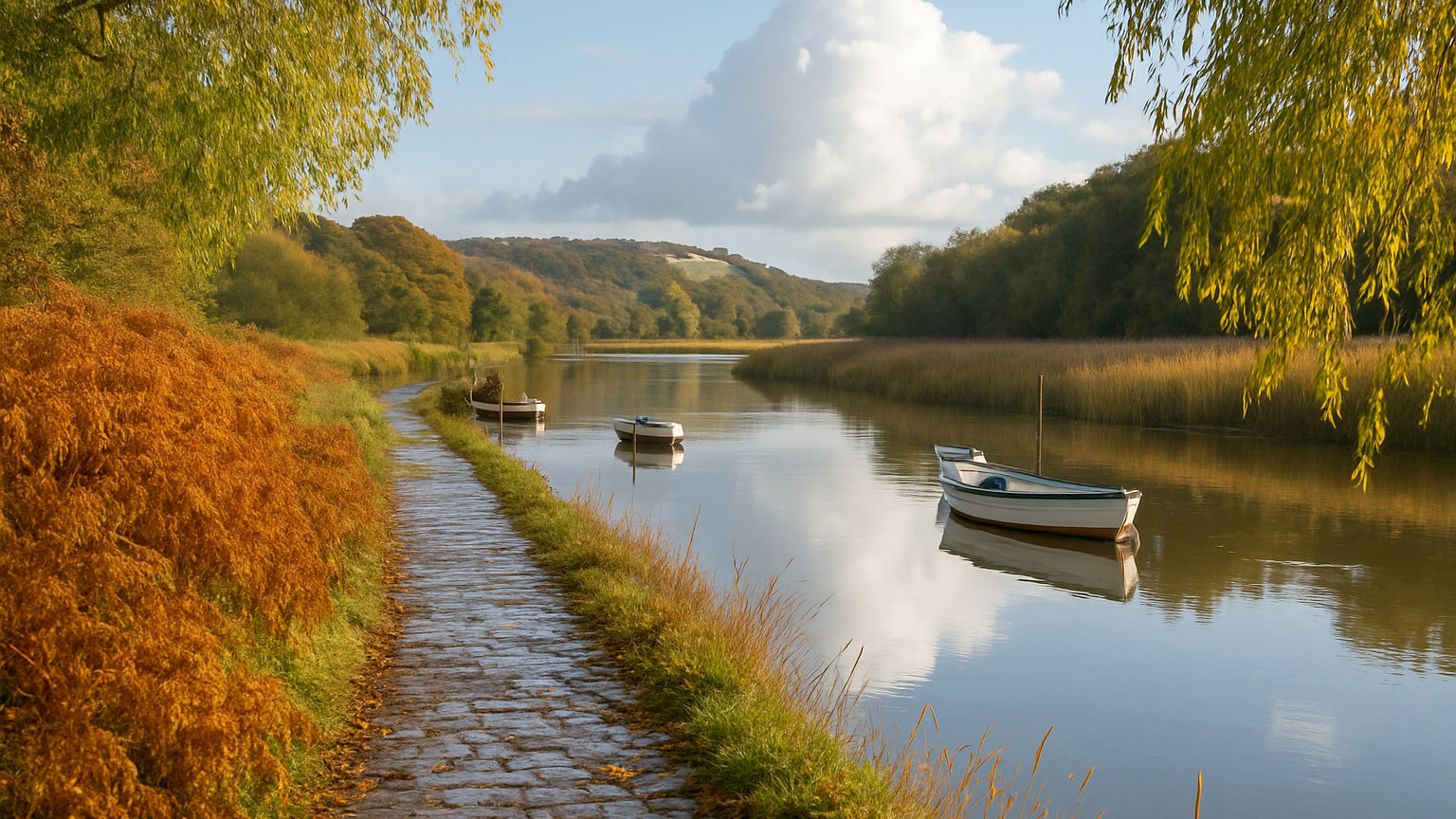
October works well for the wooded valleys and the Wye, when the colour arrives and the walking is at its most comfortable. Whatever the month, weekdays are noticeably quieter than weekends across the whole country, since a large share of visitors arrive from within a two hour drive.