Manchester is not a picturesque city and does not pretend to be. It was the first industrial city in the world, and what it offers is energy, music, sport, redbrick warehouses and a cultural confidence that outstrips most places its size. It is a city break for people who want a city rather than a museum piece.
What is the industrial history?
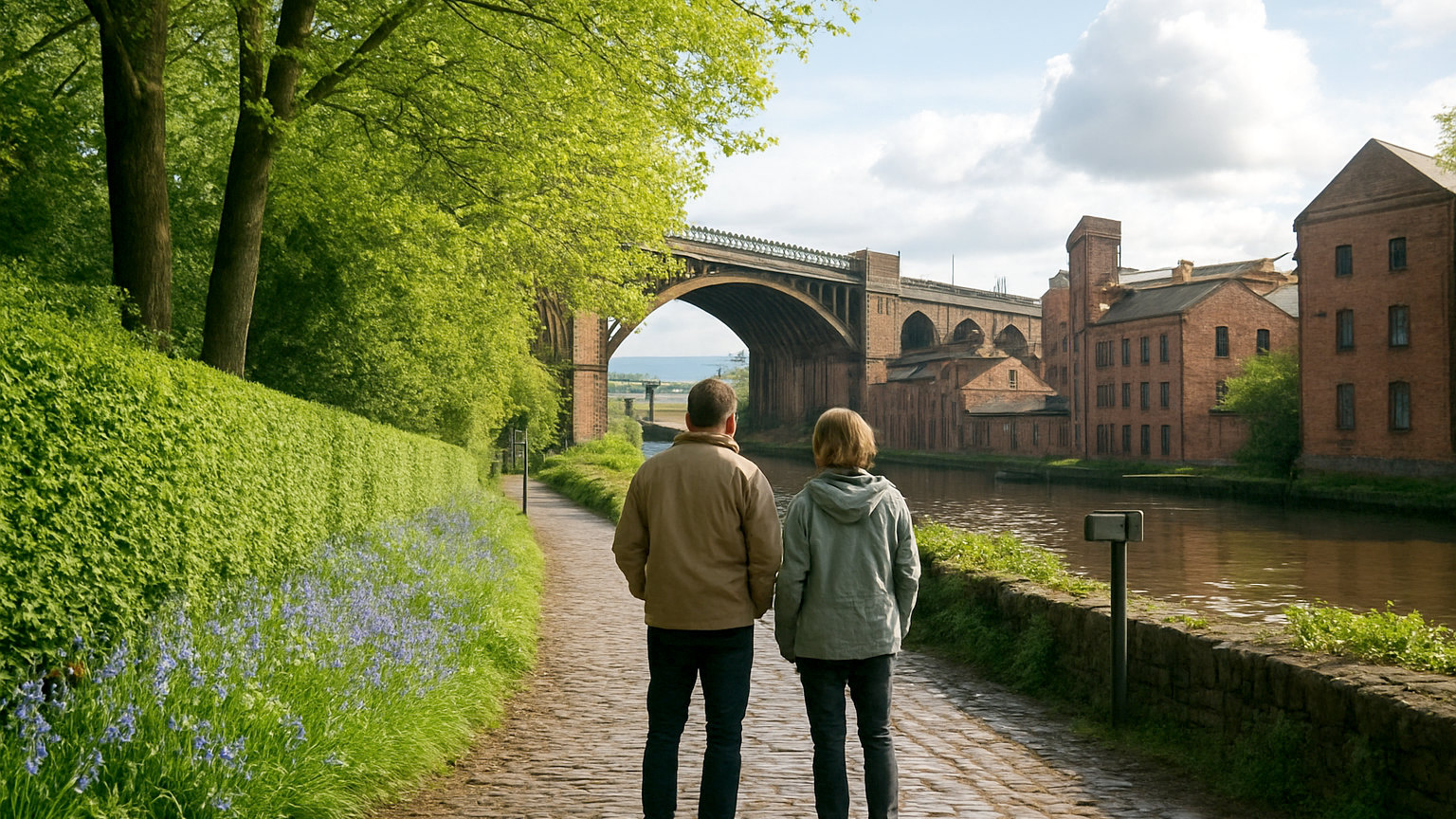
Manchester grew on cotton, and the canals, warehouses and mills that made it are still the shape of the centre. Castlefield, where the world's first industrial canal met the world's first passenger railway, is now a conservation area of towpaths and viaducts.
The Science and Industry Museum occupies the original Liverpool Road station buildings and covers textiles, steam, computing and the city's role in the industrial revolution. Entry is free.
Why is the music scene significant?
Few cities of this size have produced as much. The post punk and Madchester eras made the city internationally known, and the venues, record shops and clubs that grew from it are still central to how Manchester sees itself.
Live music runs from small venues in the Northern Quarter to large arenas, most nights of the week. Walking tours cover the sites, several led by people who were there.
What about football?
The city holds two of the best known clubs in the world, and both run stadium tours. The National Football Museum in the centre covers the sport's history and is a serious collection rather than a club shrine.
Match tickets for either club are difficult to obtain and expensive through unofficial channels. Anyone hoping to attend should plan well ahead and buy through official routes only.
What is the Northern Quarter?
The area north east of the centre, once the wholesale textile district, now the independent quarter: record shops, vintage clothing, bars, street art and small restaurants in converted warehouses.
It is the most distinctive part of the city to spend an evening and the least corporate. Ancoats next door has become one of the strongest places to eat in northern England.
Which museums and galleries are free?
Most of them. The Science and Industry Museum, Manchester Art Gallery, the Whitworth, the People's History Museum and the Imperial War Museum North across the water at Salford Quays all charge nothing.
The People's History Museum, covering the story of democracy and the labour movement in Britain, is unusual and better than most visitors expect. The John Rylands Library, a neo Gothic building housing a remarkable collection, is also free and worth an hour for the reading room alone.
How walkable is it?
The centre is compact and easily covered on foot, with trams reaching the outer areas including Salford Quays and the stadiums. The free bus loops around the central zone.
Manchester is also the best connected city in the north, with direct trains to Liverpool, Leeds, York, Sheffield and Chester in an hour or less, and an airport with a station attached.
What day trips work from here?
The Peak District, which begins twenty minutes from the city and is reachable by train to Edale, Hathersage or New Mills for walking straight from the platform.
Liverpool is forty minutes by train, Chester about an hour, and the Lake District under two. Few cities in Britain put quite that much within reach of a single base.
Where should you stay?
The Northern Quarter for independent bars, music and a short walk to everything central. Ancoats for food, in converted mills a few minutes further out. Deansgate and Spinningfields for modern hotels and a business district feel. Castlefield for canals and a quieter base within easy walking distance of the centre. Salford Quays sits further out on the tram, close to the media complex and the war museum, and suits anyone visiting those specifically. The city centre is compact enough that any of these works, and the tram covers the gaps for a low flat fare.