Edinburgh is one of the most walkable capital cities in Europe. The old town and the new town sit side by side, separated by a valley that was once a loch and is now gardens and a railway, and almost everything a first time visitor wants to see lies within a mile of the castle. Two days genuinely covers it.
What should the first day cover?
The old town. Start at the castle early, before the queues, then walk down the Royal Mile towards Holyrood, taking in St Giles' Cathedral and the narrow closes running off either side, which are the most atmospheric part of the medieval city.
The Palace of Holyroodhouse sits at the bottom, with the Scottish Parliament opposite. That is a full day at a reasonable pace, and the Mile itself deserves more time than the twenty minutes it takes to walk.
What should the second day cover?
The New Town and a hill. The New Town is a planned Georgian development from the late eighteenth century, laid out in grids and crescents, and it is a World Heritage Site alongside the old town. Charlotte Square, George Street and the Water of Leith walkway are the highlights.
Add the Scottish National Gallery or the National Museum of Scotland, both free and both excellent, and finish on Calton Hill for the view.
Is Arthur's Seat worth climbing?
Yes, and it is the single best thing to do in the city. It is an extinct volcano in a royal park a short walk from the Royal Mile, rising to just over eight hundred feet, with a view over the city, the Firth of Forth and out to Fife.
The climb takes around forty five minutes to an hour by the easiest route from Holyrood. It is steep, rough underfoot near the top and exposed to wind, so proper shoes matter, but no special skill is needed.
How busy does the castle get?
Very, and it is the one thing worth booking in advance with a timed ticket. It is the most visited paid attraction in Scotland and queues in summer are long.
Arriving at opening or in the last two hours of the day gives a better experience. The one o'clock gun is fired daily except Sunday and draws a crowd, which is worth knowing whether you want to see it or avoid it.
What is free?
A great deal. The National Museum of Scotland, the Scottish National Gallery, the Portrait Gallery and Modern Art galleries all charge nothing. So do Arthur's Seat, Calton Hill, the Grassmarket, Dean Village and the Water of Leith.
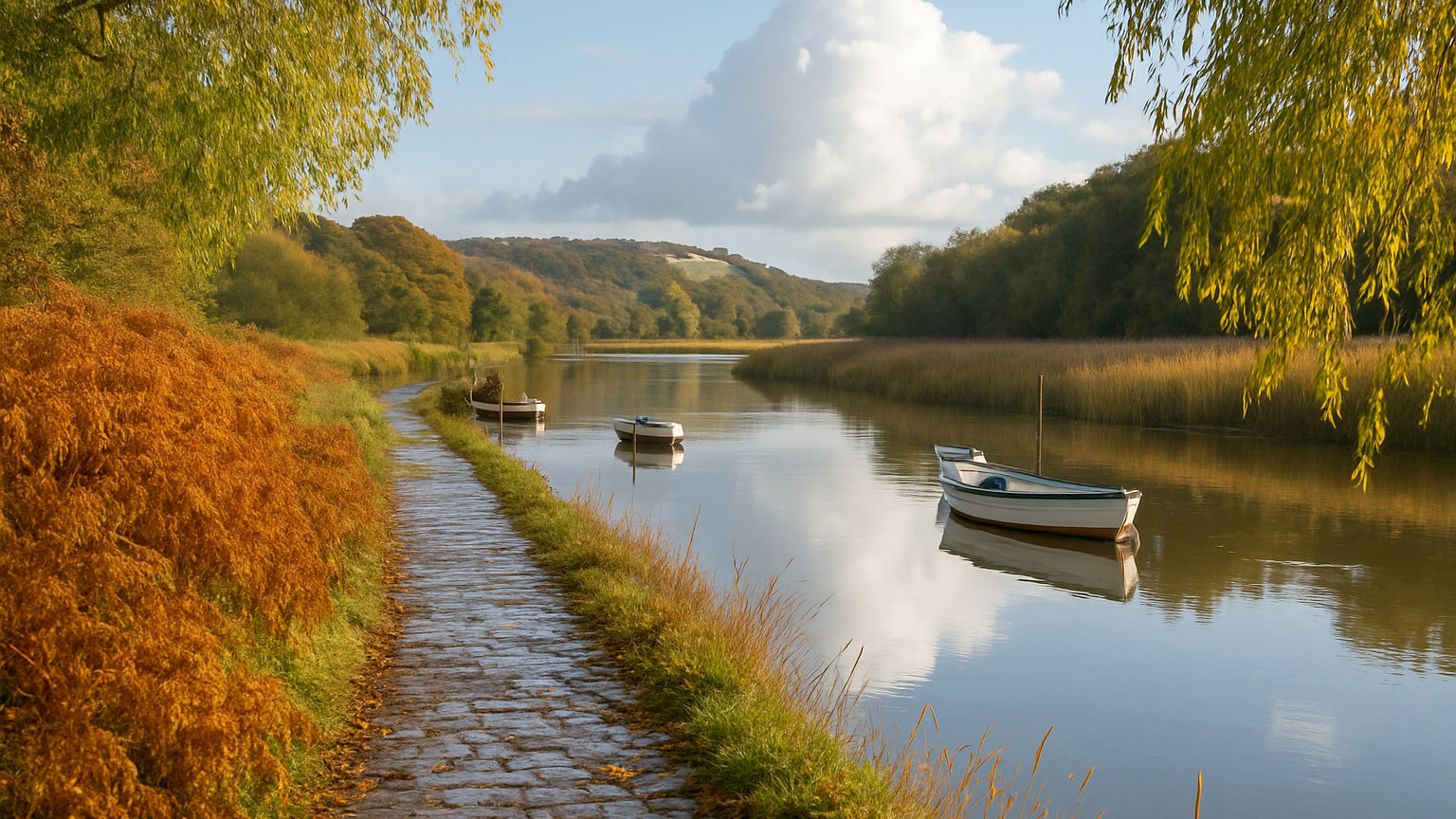
Several of the best walks, including the one along the water to Stockbridge and Leith, cost nothing and show you a side of the city most visitors never reach.
What should you know about August?
The city hosts several festivals simultaneously through August, including the Fringe, which is the largest arts festival in the world. The population swells enormously, accommodation prices multiply and book a year ahead, and the Royal Mile becomes impassable.
It is extraordinary and it is not a normal visit. Anyone wanting to see Edinburgh itself rather than the festival should choose a different month.
When is the best time to go?
May, June and September. The weather is at its most reasonable, daylight is long, and the city is functioning normally. Winter is cold, dark and often beautiful, with a large Christmas market and Hogmanay celebrations that are among the biggest in the world.
Whenever you go, take layers and a waterproof. Edinburgh is exposed to the east coast wind and the weather changes through the day more than visitors expect.
What should you know about the closes?
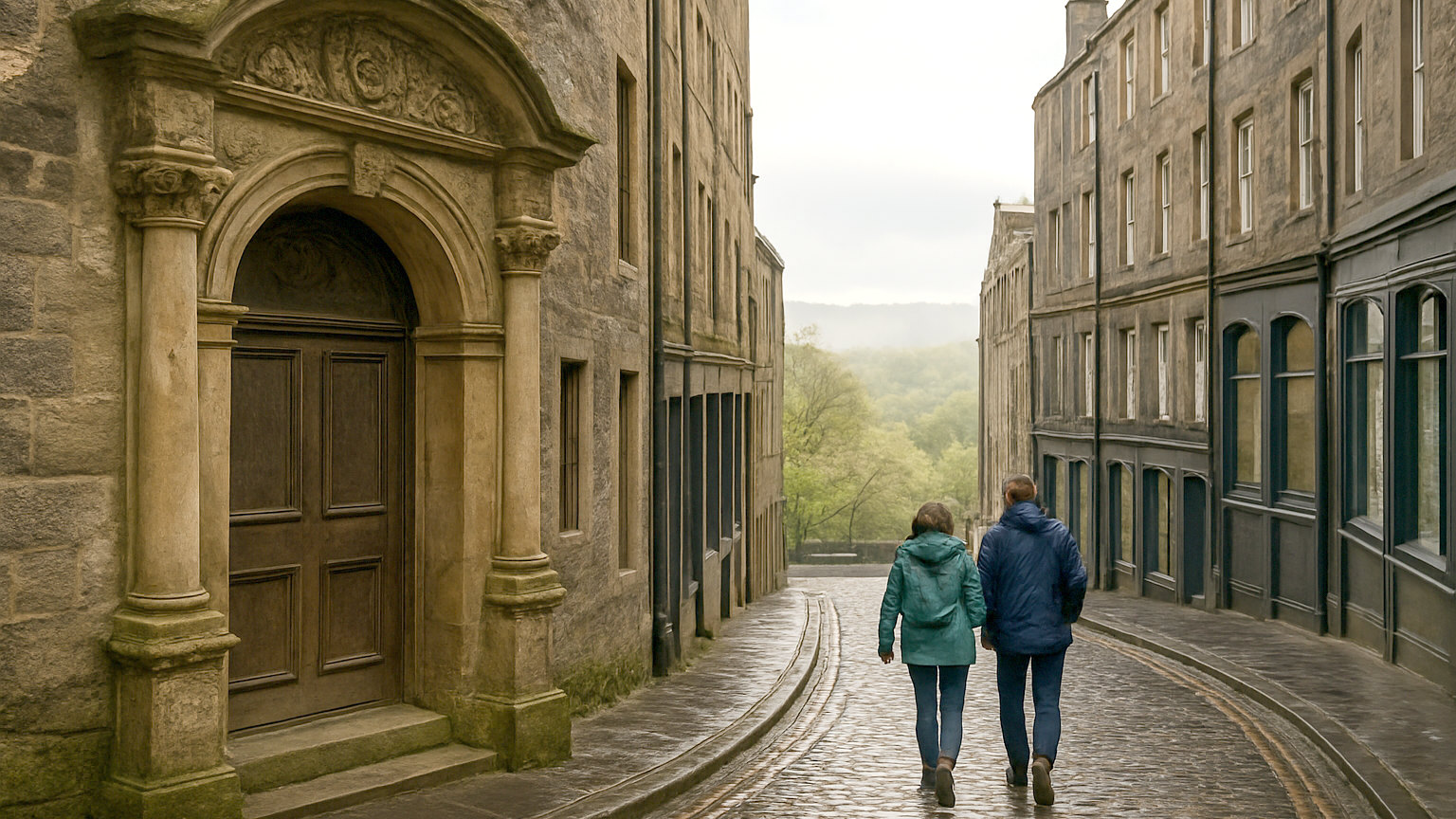
The narrow alleys running off the Royal Mile are called closes and wynds, and they are the most rewarding part of the old town. Many are open to walk through and lead to hidden courtyards, steep stairs and views down over the New Town. Some were built over when the city expanded, leaving underground streets that can be visited on guided tours. The Mile itself is heavily commercialised along its length, so stepping thirty seconds off it in either direction takes you into a quieter and considerably older city that most day visitors never see at all.