Bath is a small city in Somerset built almost entirely from local honey coloured limestone, and it is one of very few places in Britain where an entire urban centre survives as a single architectural composition. It is a World Heritage Site twice over, once for the city itself and again as part of a group of great European spa towns.
What is there to see?
The Roman Baths, built around the only hot spring in Britain, where water still rises at around forty six degrees. The complex is remarkably preserved and the audio guides are unusually good.
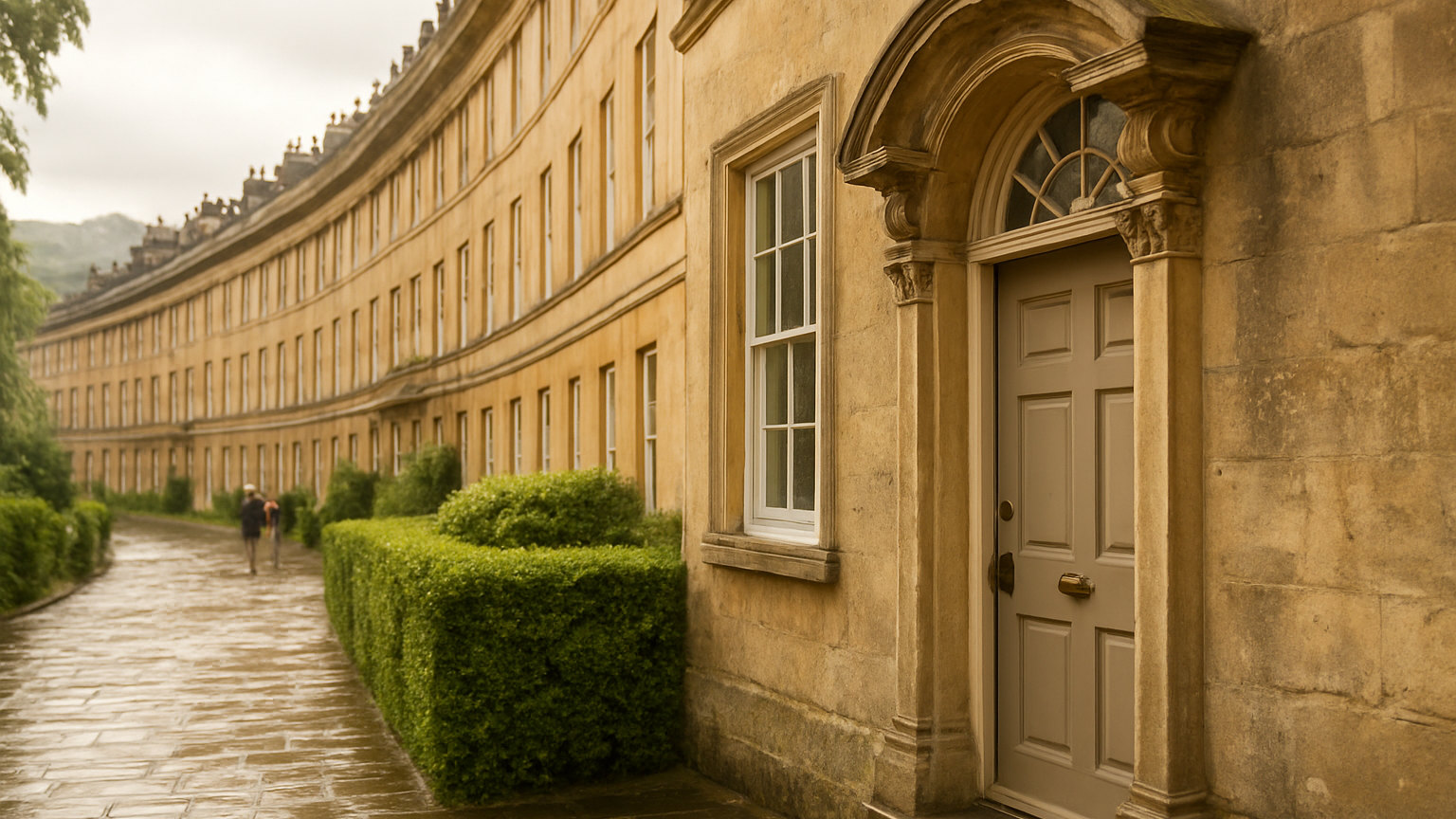
Above ground, the Georgian city: the Royal Crescent, a sweep of thirty terraced houses facing a park, the Circus, Pulteney Bridge with shops built along its span, and the Abbey with its fan vaulted ceiling and angels climbing ladders on the west front.
Does a weekend cover it?
Comfortably. The centre is compact enough to cross on foot in twenty minutes and there is no need for transport within the city at all. Two days allows the Baths, the Abbey, the Crescent, a museum and time to wander.
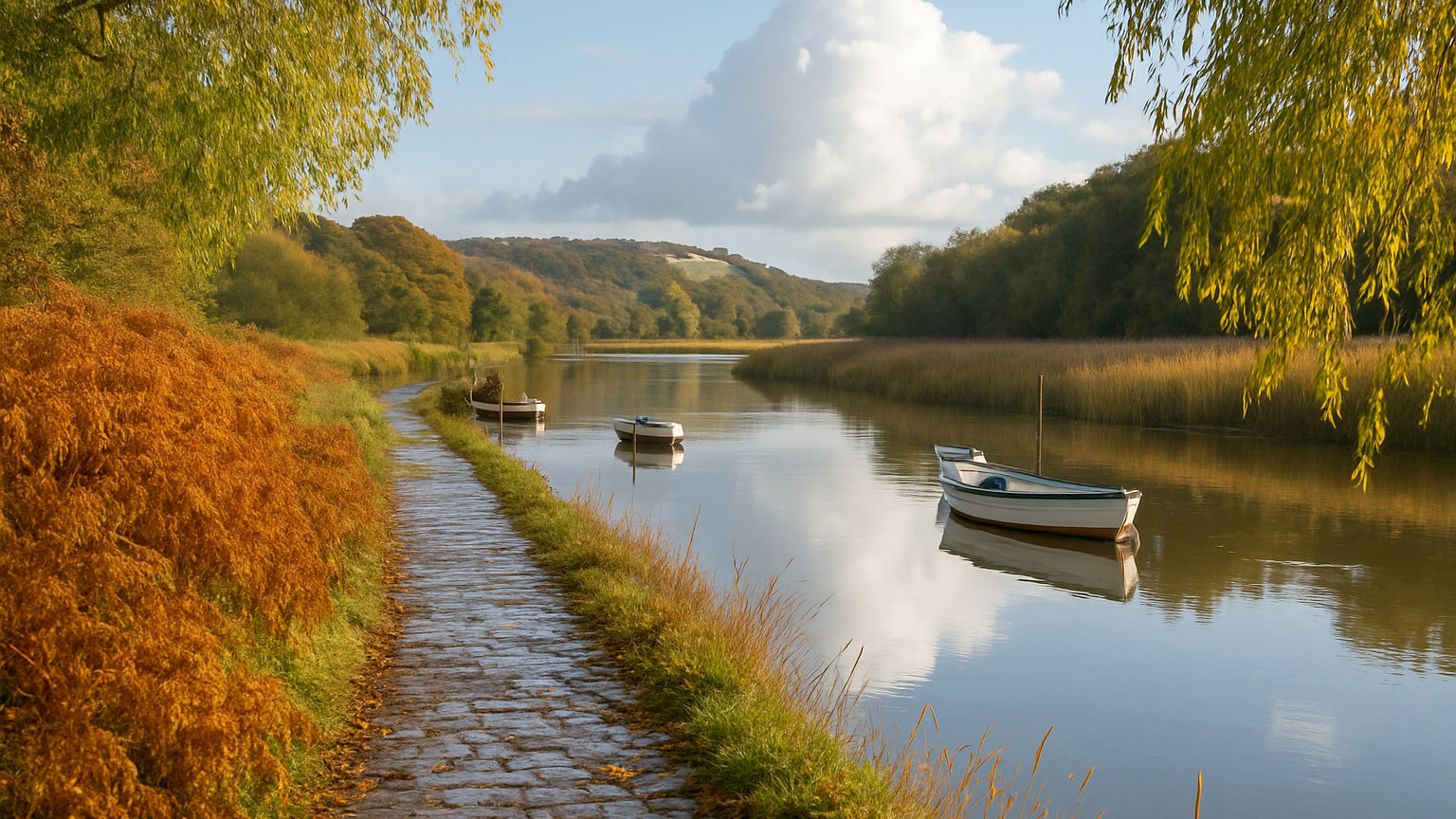
A third day is well spent on the surrounding countryside, with the Kennet and Avon Canal towpath, the village of Bradford on Avon and the Cotswolds all within easy reach.
Can you bathe in the spring water?
Not in the Roman Baths themselves, which are unfiltered and unsafe to enter. The modern Thermae Bath Spa nearby uses the same thermal water in treated pools, including a rooftop pool with views over the city.
It is popular and booking ahead is advisable, particularly for evening sessions and weekends. The rooftop pool at dusk is the version most people are hoping for.
What about the Jane Austen connection?
Austen lived in Bath for several years and set two novels substantially in the city, and there is a dedicated centre exploring that. Opinions differ on whether she liked the place, and her letters suggest considerable ambivalence.
The Assembly Rooms and the Pump Room give a better sense of the Georgian social world she wrote about than any exhibition. The Pump Room still serves tea above the spring.
How busy does it get?
Busy in the centre through the summer and at weekends year round, and very busy indeed in December when the Christmas market fills the streets around the Abbey. The narrow pavements make crowding feel more acute than the actual numbers suggest.
Weekday visits and early mornings are noticeably calmer. The Royal Crescent and the Circus are quiet before nine and photograph far better in that light.
Is it expensive?
Accommodation and eating out are on the higher side for a small English city, reflecting demand. Paid attractions add up, and the Roman Baths and the spa together represent the bulk of a day's spending.
Much is free, though. The Abbey asks a donation, the Crescent and Circus cost nothing, and the walk up to Alexandra Park gives the classic view over the city for the price of a climb.
How do you get there?
Trains from London Paddington take around ninety minutes, and Bristol is fifteen minutes away, which makes combining the two straightforward. Bath is also an easy stop between London and Cornwall or Wales.
Driving is the weak option. Parking in the centre is limited and expensive, several routes in are congested, and the park and ride services from the edge of the city are considerably easier than attempting to park near the Abbey.
What is worth seeing beyond the obvious?
The Holburne Museum at the end of Great Pulteney Street, a compact collection in a handsome building with a garden behind. The Museum of Bath Architecture, which explains how the Georgian city was actually built and financed. The Fashion Museum collection, when on display. Prior Park, a landscape garden on the hillside with a Palladian bridge and a view down over the city, reached on foot from the centre by a steep walk. And the canal towpath, which leads out of the city past locks and aqueducts and gives a completely different perspective within twenty minutes of the Abbey.