Inverness is the only city in the Highlands and functions as the gateway to everything north and west of it. The city itself is modest and pleasant rather than spectacular, and its real value is position, since a great deal of the finest country in Britain is within an hour or two.
What is in the city?
A red sandstone castle above the river, now largely a court building with a viewpoint. A cathedral on the west bank, and a compact centre of shops and pubs.
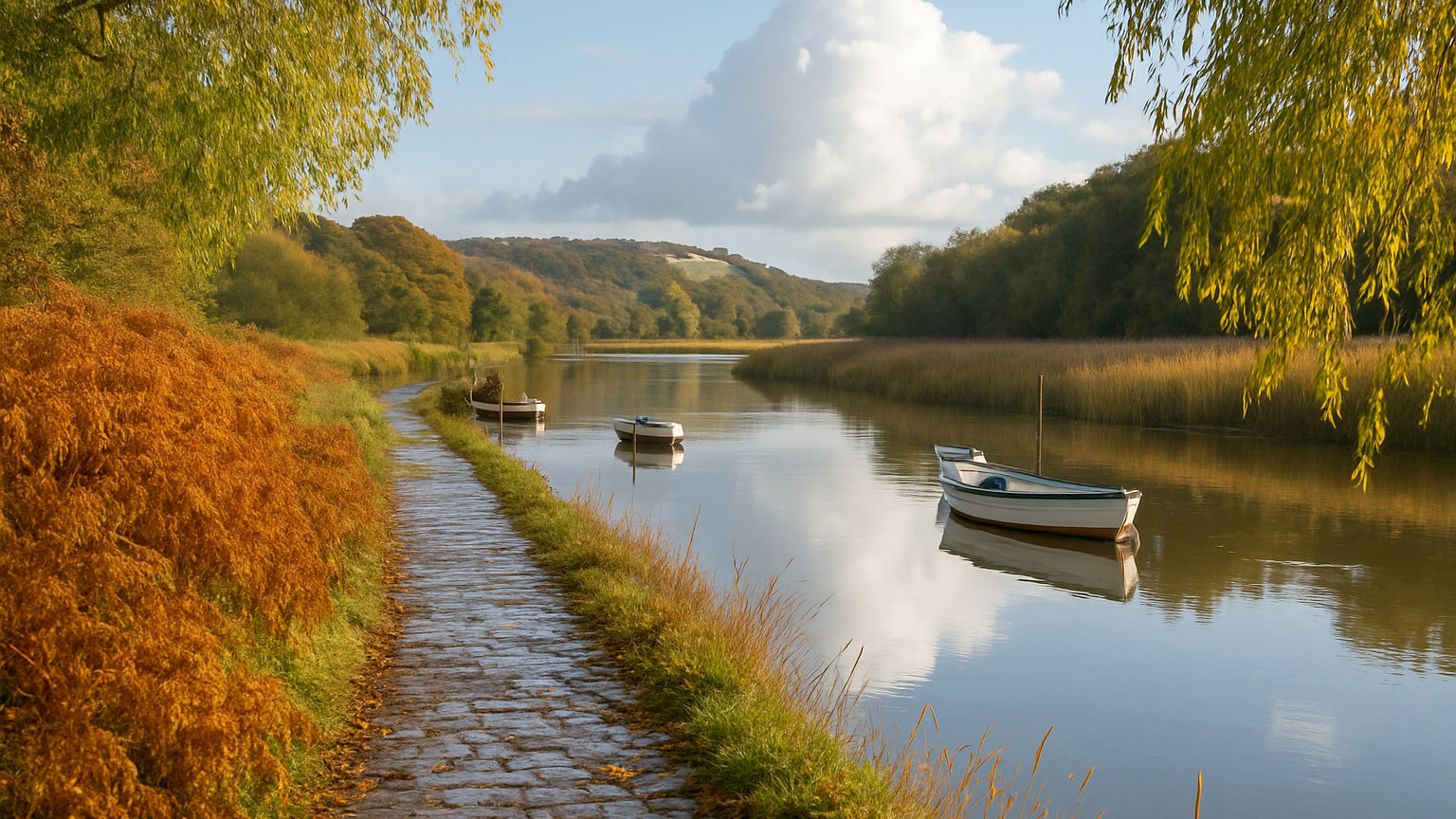
The Ness Islands, a chain of wooded islets in the river linked by Victorian footbridges, make a short walk from the centre and are the best thing in the city itself.
What about the museum?
Inverness Museum and Art Gallery, free, covering Highland history, Jacobite material, geology and Gaelic culture, which is a useful orientation before travelling further.
What is at Culloden?
The battlefield east of the city where the Jacobite rising ended in 1746, with a visitor centre widely regarded as among the best in Britain and the moor restored towards its condition at the time.
It handles a contested and painful history seriously rather than romantically, and the ground is a burial place. It deserves more time than most visitors give it.
What about Loch Ness?
It begins a few miles south west and runs for over twenty miles, deep, dark and impressive regardless of what may or may not live in it.
Urquhart Castle on the shore is the main stop, boat trips run from several points, and the quieter south eastern road is considerably better than the busy main road on the north west side.
Where can you see dolphins?
Chanonry Point on the Black Isle, twenty minutes from the city, which is the most reliable place in Britain to watch bottlenose dolphins from land.
Time it for a rising tide, when they hunt salmon in the narrows. It is free, and parking is limited so arrive early.
What else is within an hour?
The Cairngorms to the south, Speyside and its distilleries to the east, the Moray coast with its fishing villages, and the road west towards Skye.
Glen Affric, sometimes described as the finest glen in Scotland, is around an hour and a half south west.
How do you get there?
By train from Edinburgh and Glasgow in around three and a half hours on the Highland Main Line, which is a fine journey in itself, or overnight on the sleeper from London.
The airport has connections to several British cities, and the roads north and west all begin here.
What about the railway lines north and west?
Two of the best in Britain leave from the city. The line to Kyle of Lochalsh runs west through Achnasheen to the coast opposite Skye, and the Far North Line runs to Thurso and Wick.
Both are slow, scenic and worth taking for the journey rather than the destination.
Where should you eat?
The city has a reasonable range for its size, with seafood from the coast and Highland beef and venison widely available.
Book ahead in summer, when Inverness is busy with people beginning or ending Highland trips.
How long do you need?
One night for the city, and several more if you use it as a base, which is what it is for. Culloden, the Black Isle, Loch Ness and Speyside are all day trips from it.
Accommodation is expensive in July and August and much cheaper outside them.
What should you know before heading further north?
That distances are long, fuel stations are scarce and several close in the evening and on Sundays. Fill up in the city, take food and warm clothing, and allow considerably more time than the mileage suggests. Mobile coverage disappears across large areas, so download maps before setting out rather than relying on data.
One last suggestion: do not treat the city as somewhere to pass through in an afternoon. Culloden alone deserves half a day, and using Inverness as a base for three or four nights produces a far better Highland trip than driving straight past it.