Scotland has a reputation for being expensive that is half deserved. Accommodation in the Highlands during summer genuinely is costly relative to what you get, and ferries and car hire add up. Against that, the landscape is free, many of the best museums charge nothing, and the access rights mean walking anywhere costs only the fuel to reach it.
Where does the money actually go?
Accommodation first, by a wide margin, followed by transport. In the Highlands in July and August, beds are scarce relative to demand and prices reflect that, with modest bed and breakfast rooms commanding rates that would seem high in a city.
Food and drink are broadly comparable with the rest of Britain, though remote areas carry a premium and choice is limited enough that you may end up in the only place open rather than the cheapest.
How much does timing change the cost?
More than any other single factor. The same Highland cottage can cost two or three times as much in the first week of August as in the last week of September. Ferries, car hire and flights follow the same curve.
Shifting a trip by three or four weeks either side of the school holidays is the largest saving available, and it also improves the experience by reducing crowding. May, June, September and October all offer good weather odds at substantially lower prices.
What is free?
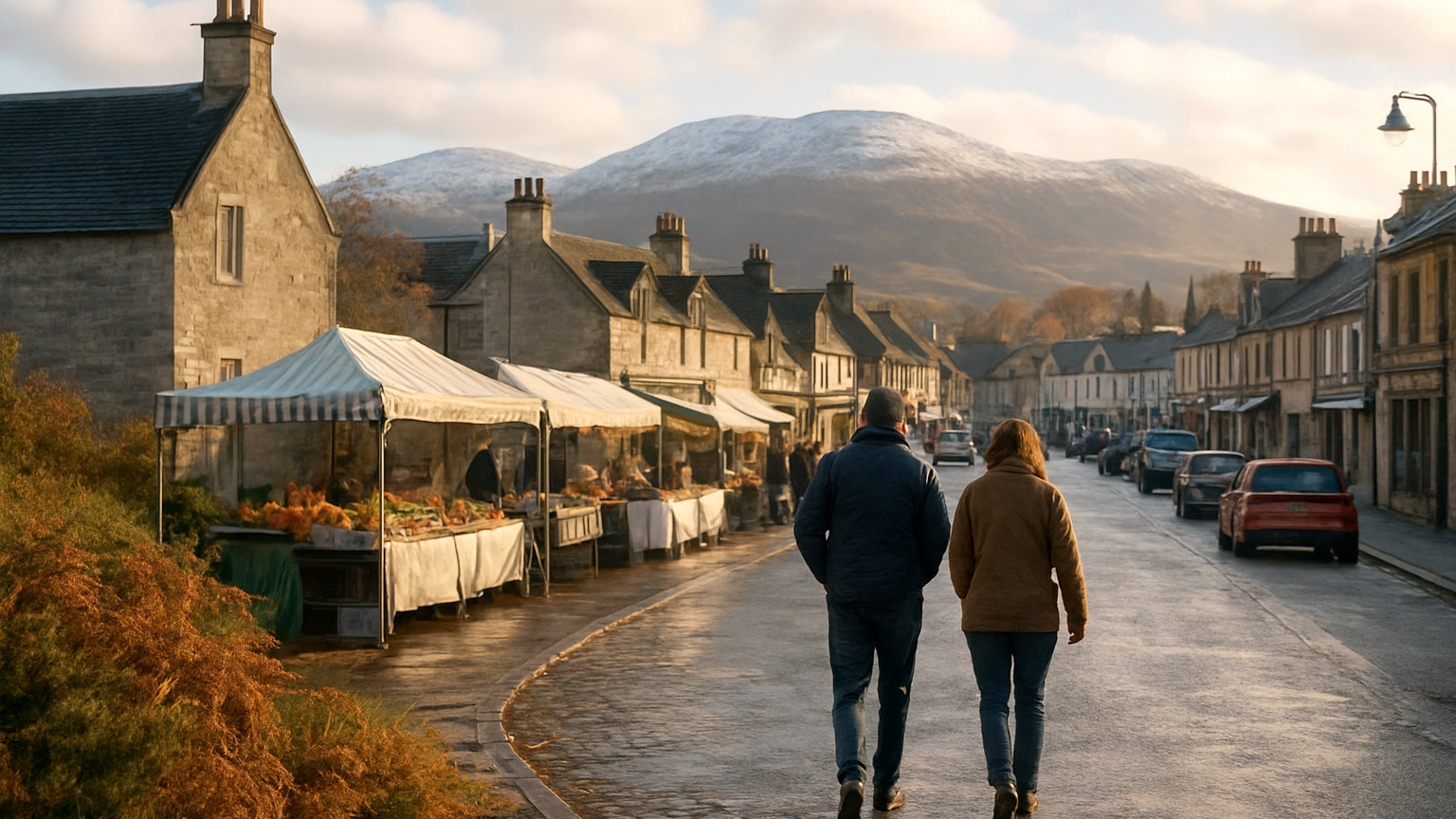
A great deal. The national museums and galleries in Edinburgh, Glasgow and elsewhere charge no admission. Access to the hills, glens, beaches and lochs is free under the access rights, as is parking at many trailheads outside the busiest sites.
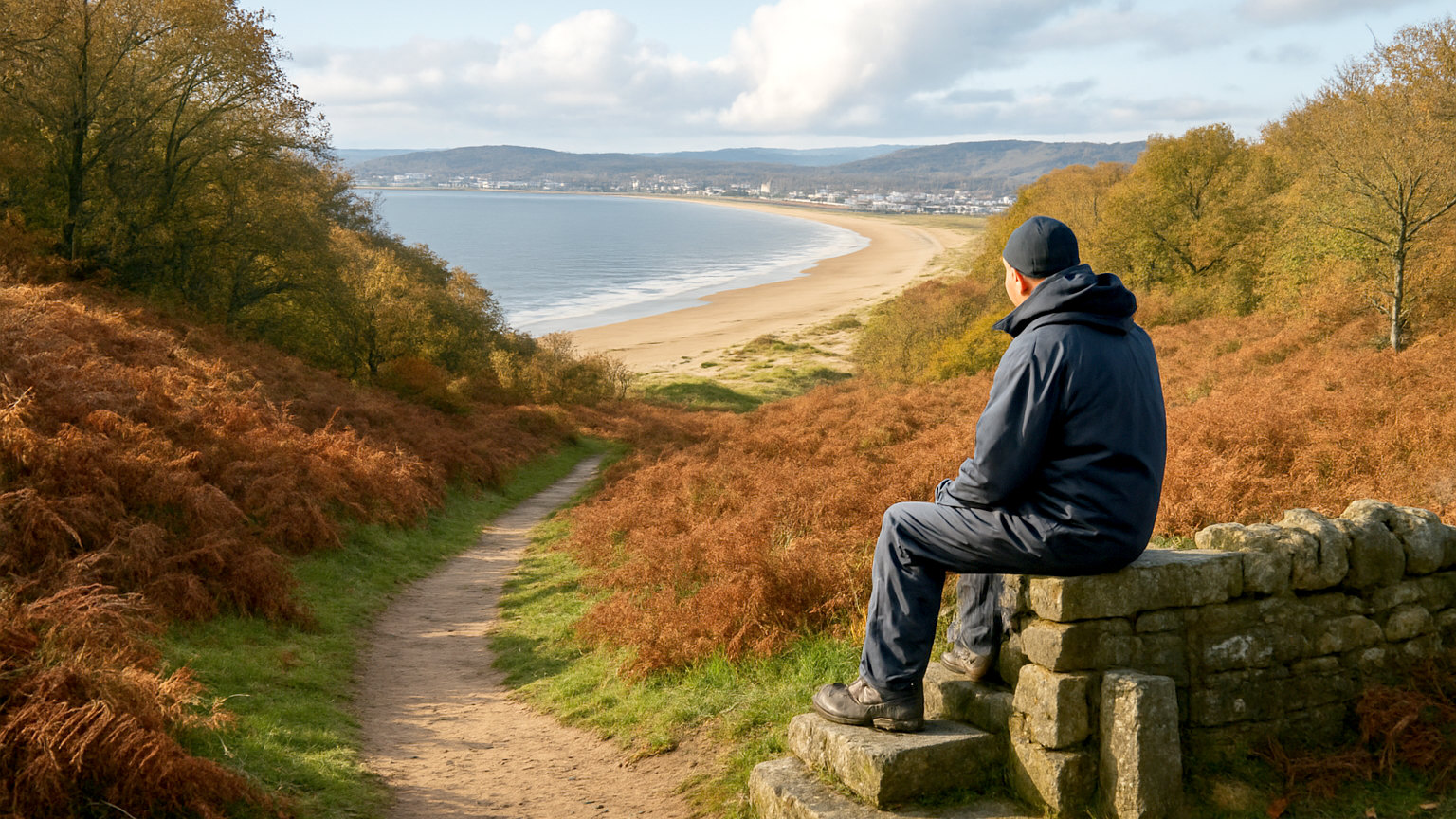
Most of the finest experiences in Scotland cost nothing beyond getting there: a beach in Sutherland, a ridge in Torridon, a pine forest in Strathspey, an aurora on a clear winter night.
What are the unavoidable costs?
Fuel, which is noticeably more expensive in the remote north and west than in the central belt, so filling up before heading north saves a little. Ferries, if you intend to visit the islands, particularly with a vehicle.
Paid attractions vary. Castles and distilleries charge, and several of the major heritage sites do so at a level where a membership scheme pays for itself in a few visits if you plan several.
How can you reduce accommodation costs?
Book early for summer, since the cheaper places go first and what remains is what nobody wanted. Consider hostels, which in Scotland are widespread, often well located and not restricted to young travellers. Bothies, which are simple unlocked shelters in remote areas, are free and maintained by a volunteer association, with an etiquette worth reading before using one.
Camping under the access rights costs nothing where it is permitted and done responsibly, and campsites are inexpensive. Self catering for a group is usually far cheaper per person than hotel rooms.
Is a car the biggest expense?
Often, once hire, fuel and insurance are combined, particularly for a solo traveller. For two or more people it is usually still the cheapest way to cover the Highlands.
Where a trip can be built around the railway, using the West Highland Line, the Highland Main Line or the Far North Line with local buses, the saving is considerable and the journeys themselves are part of the trip. Explorer passes covering several days of unlimited rail travel exist and suit itineraries with a lot of movement.
What is the honest verdict?
Scotland in August with a hire car and hotels is expensive. Scotland in late September with a rail pass, hostels and a rucksack is one of the better value trips in Europe. The country accommodates both, and the difference between them is almost entirely down to when you go and how you sleep.
For a rough planning figure, budget generously for beds and modestly for everything else. Once accommodation and transport are paid for, the daily cost of actually being in Scotland is low, because most of what you came to see does not charge admission.