Aberdeen is called the granite city for the obvious reason: almost the entire place is built from stone quarried locally, which glitters with mica in sunshine and looks severe in rain. It sits between the Dee and the Don on the north east coast, with a long sand beach running north from the harbour.
What is the granite about?
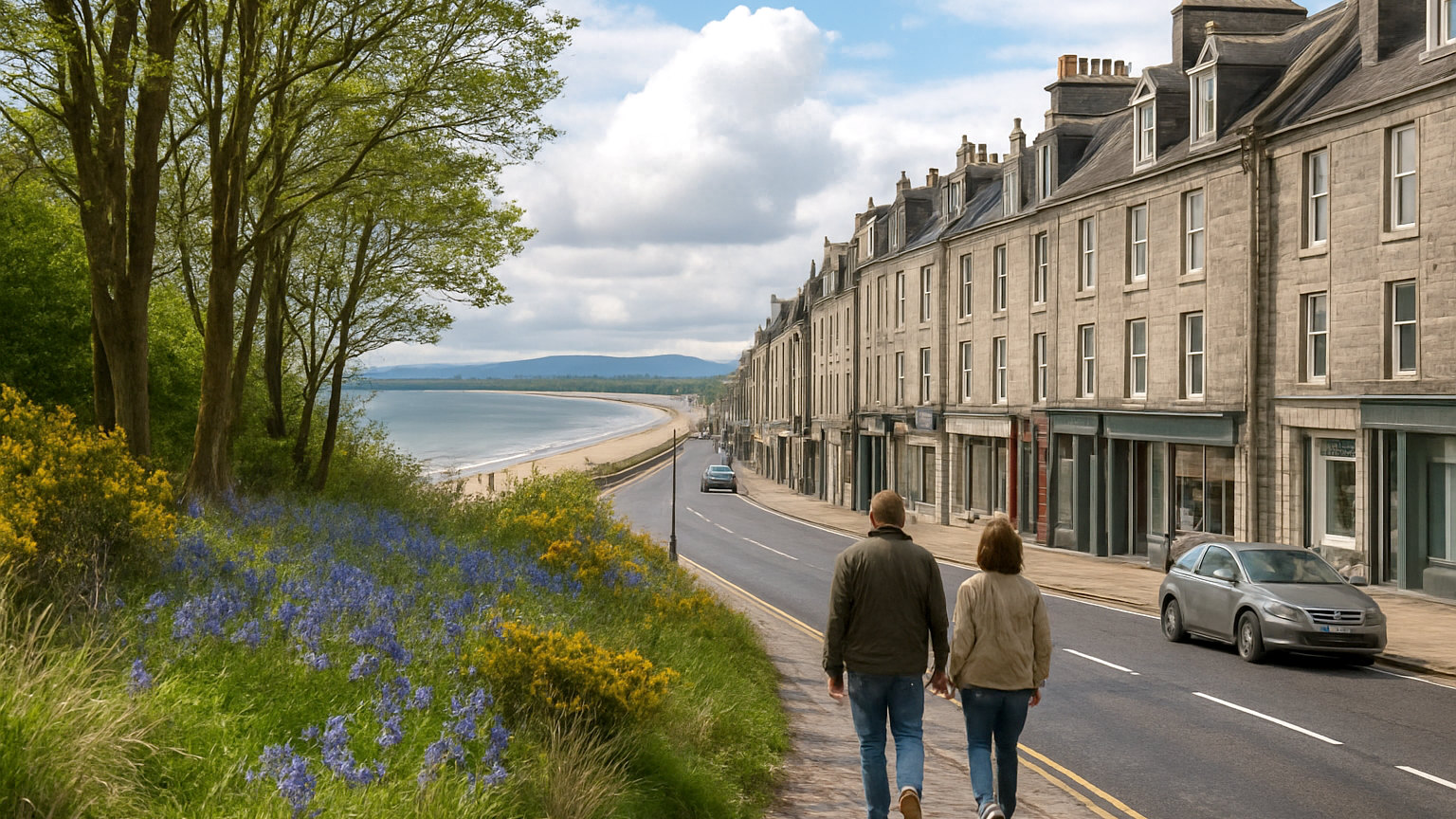
A local quarry supplied the stone for the whole city and for buildings far beyond it, and the result is an architectural consistency found almost nowhere else.
Union Street, the main thoroughfare, and Marischal College, one of the largest granite buildings in the world, show it at its most impressive. The effect changes completely with the weather.
What is Old Aberdeen?
A separate burgh absorbed into the city, with cobbled streets, a fifteenth century cathedral and the original university buildings including a chapel with a distinctive crown shaped tower.
It is quiet, walkable and entirely different in character from the commercial centre a mile south.
Which museums should you visit?
The Maritime Museum on the harbour, free, covering shipbuilding, fishing and the North Sea oil industry that transformed the city from the nineteen seventies.
Aberdeen Art Gallery, free, refurbished recently and holding a strong collection. The university's museum in Old Aberdeen.
What about the harbour and beach?
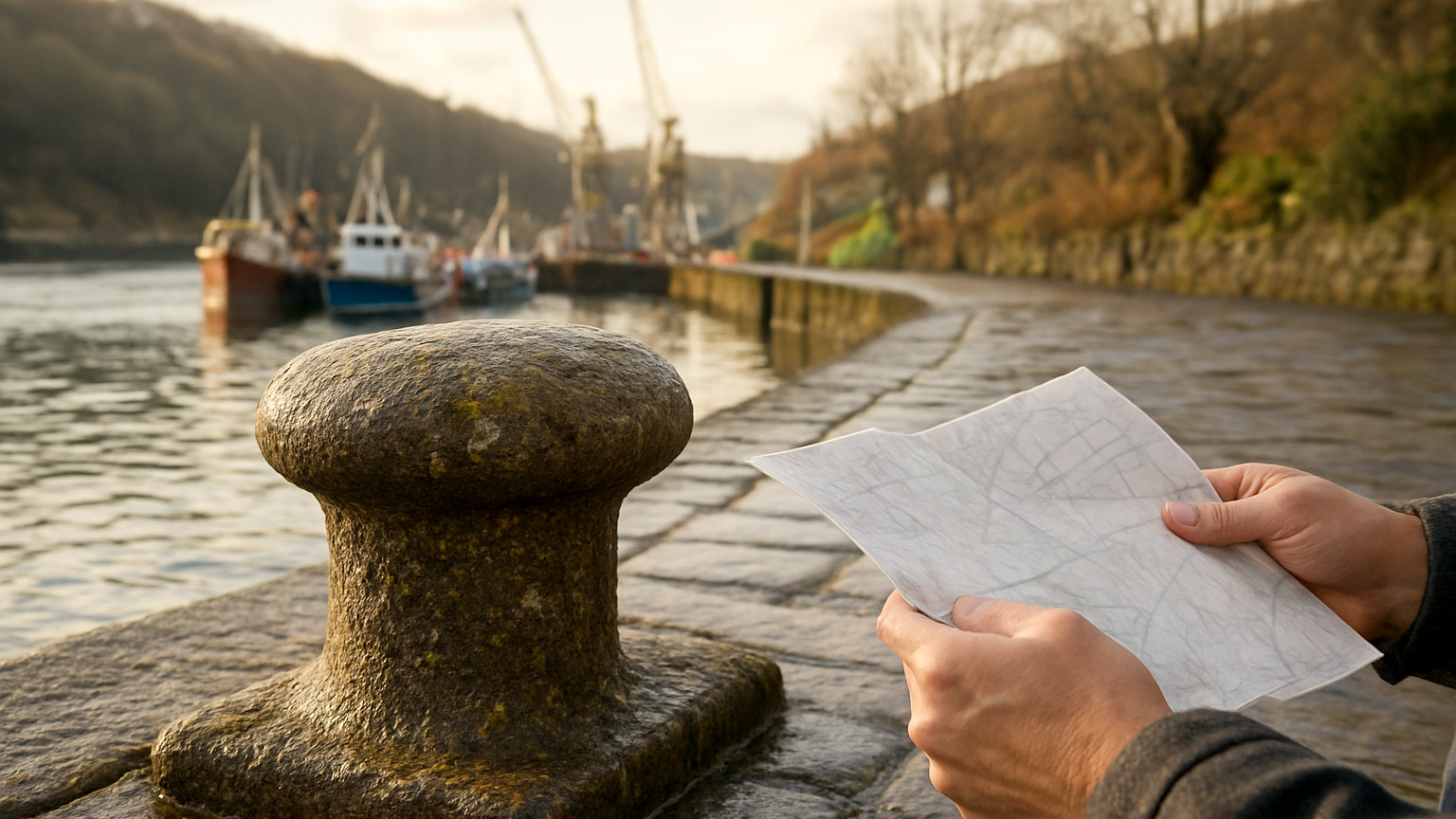
A working harbour with supply vessels serving the offshore industry, which is unusual to watch and sits directly beside the city centre.
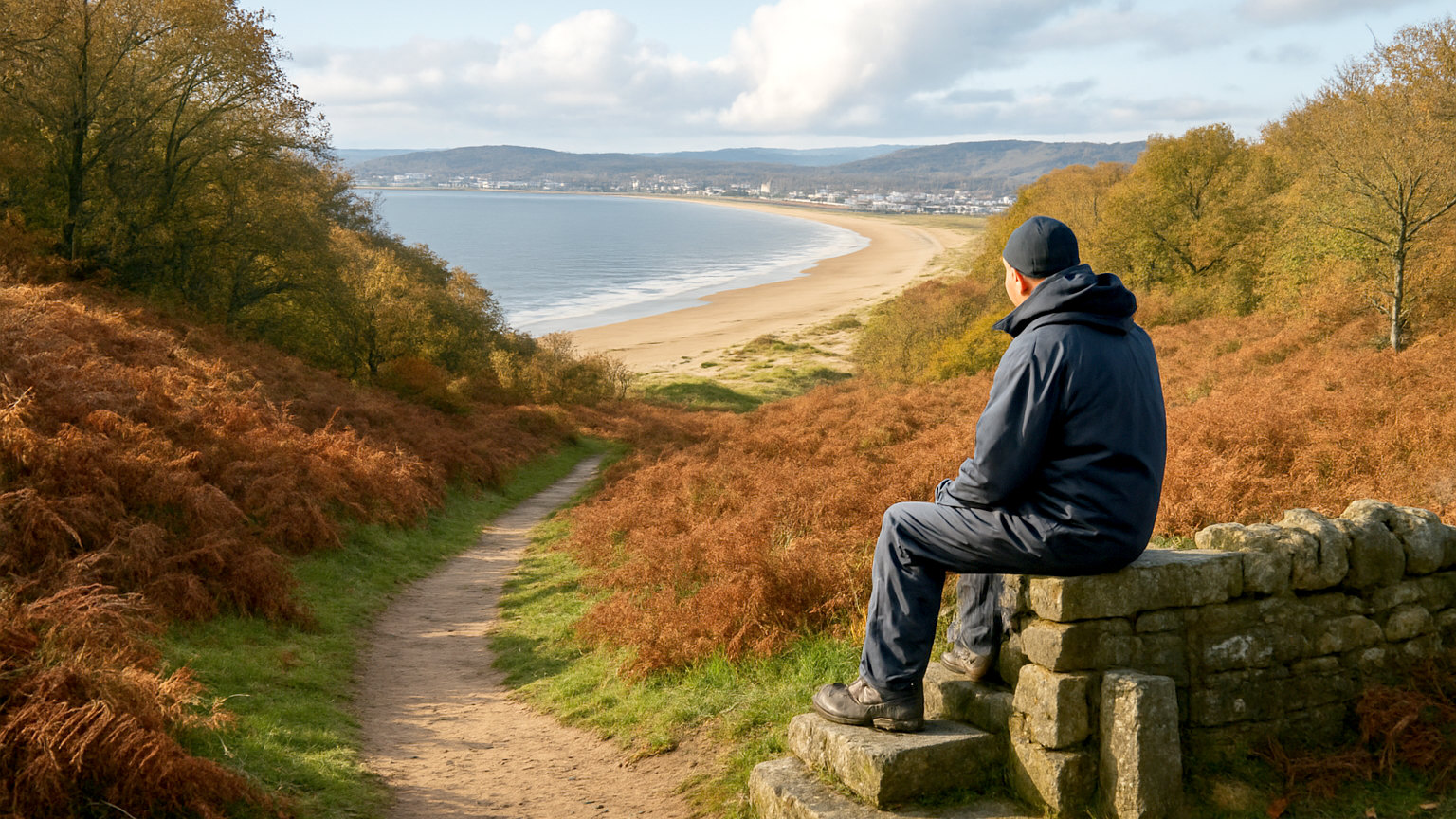
The beach runs for two miles north from it, backed by an esplanade, and dolphins are regularly seen from the mouth of the harbour, particularly in summer.
What is the castle trail?
Aberdeenshire has the greatest concentration of castles in Britain, and a signed driving route links a number of them, from ruined fortresses to fairytale tower houses.
Several are among the finest in Scotland and receive a fraction of the visitors that the famous ones do.
What is Royal Deeside?
The valley of the Dee running west from the city towards the Cairngorms, with the royal residence at Balmoral, castles, distilleries and mountains at the head of it.
The estate grounds open to visitors during part of the year, and Ballater and Braemar make good bases for the eastern Cairngorms.
How do you get around?
On foot in the centre, with buses to Old Aberdeen and the beach. The airport has connections including to the northern isles.
Trains run south to Dundee and Edinburgh and west to Inverness, and ferries sail to Orkney and Shetland from the harbour.
What should you eat?
Seafood, given the fishing ports along the coast, and beef, since the surrounding countryside produces one of the best known cattle breeds in the world.
The city has a good food scene supported by the offshore industry and prices are moderate by Scottish city standards outside the peak.
What is nearby on the coast?
Dunnottar Castle to the south, a ruin on a sea stack reached by a steep path and among the most photographed sites in Scotland.
The fishing villages of the Moray and Aberdeenshire coasts to the north, including Pennan, Crovie and Gardenstown, built at the foot of cliffs.
How long do you need?
Two nights for the city, longer if using it as a base for Deeside, the castle trail or the coast, which is what most visitors should do.
The north east is drier and sunnier than the west of Scotland and considerably quieter than the Highlands proper.
What is the weather like?
Drier than the west of Scotland by a considerable margin, since the north east sits in the rain shadow of the Highlands, and colder in an easterly wind coming off the North Sea. Haar, a sea fog, rolls in during spring and early summer and can sit over the coast while a few miles inland is clear, which is worth knowing if a beach day is the plan.
One last point: the city is the mainland ferry port for Orkney and Shetland, with overnight sailings north. For anyone heading to the northern isles, a night in Aberdeen beforehand is the sensible arrangement rather than a long drive on the day of departure.