Northern Ireland sits at the same latitude as the north of England but is warmed by the Atlantic, which gives it mild winters, cool summers and a great deal of rain spread evenly across the year. It has a shorter and less intense peak season than most of Britain, which means the practical question is less about avoiding crowds and more about daylight, weather and one particular week in July.
What does each season offer?
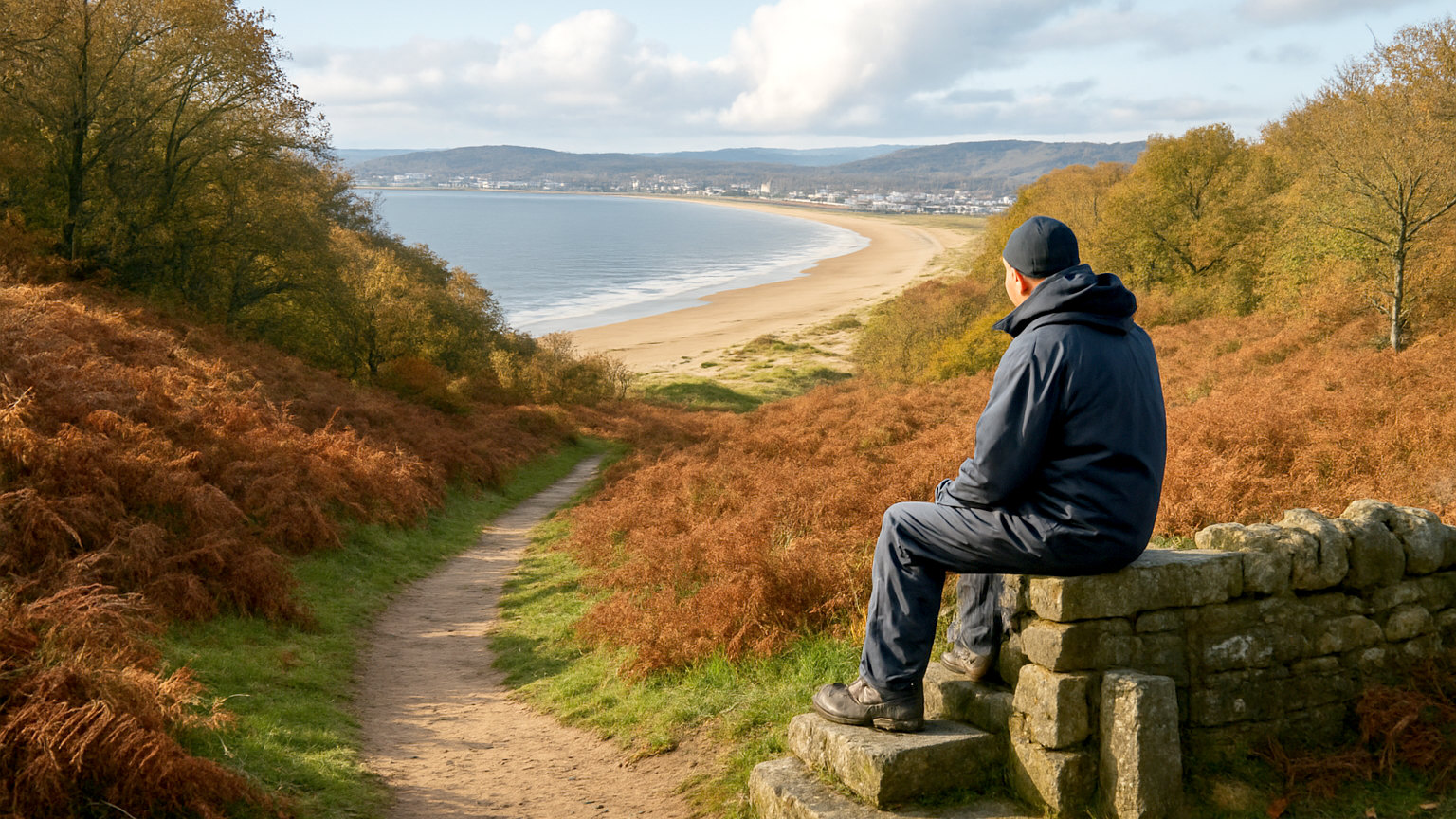
Spring, from April to June, is the strongest period. It is statistically the driest part of the year, daylight is lengthening quickly, the coast is at its best and visitor numbers are still modest.
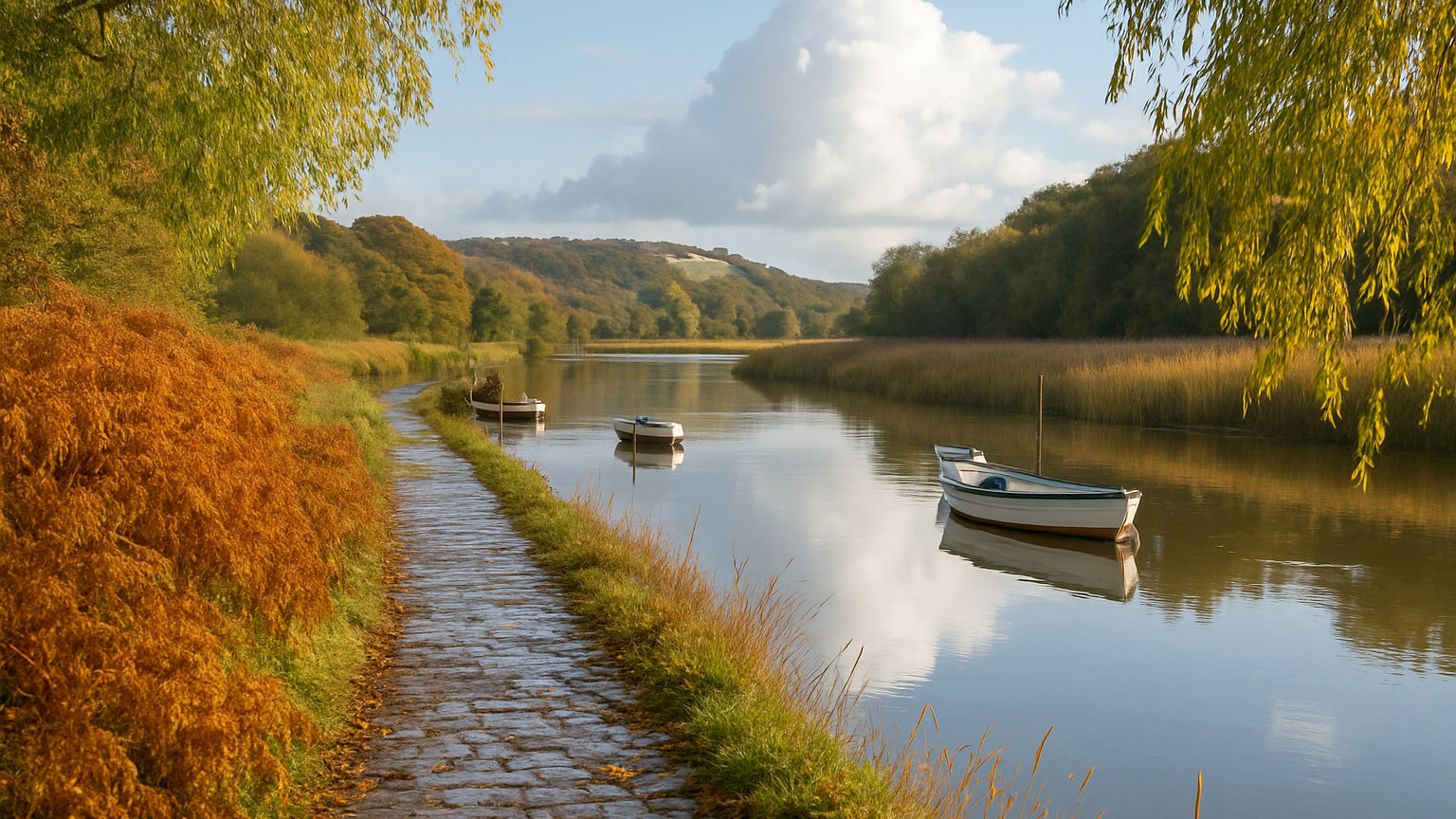
Summer brings the warmest weather, the longest evenings and the peak of what crowding there is. Autumn gives colour in the glens and much lower prices. Winter is dark and wet, though the coast stays mild and the cities function normally, with Belfast particularly good in the run up to Christmas.
How much daylight do you get?
A great deal in summer and very little in winter. Midsummer gives around seventeen hours of usable light with long, slow evenings, which is enough for a full day on the Causeway coast and a walk afterwards.
Midwinter gives around seven and a half hours, with sunset before four in December. That is enough for one substantial outing rather than a touring day, and it makes the coastal drives considerably less rewarding.
What is the weather actually like?
Mild and changeable rather than extreme. Snow and frost are uncommon near the coast, and temperatures rarely reach uncomfortable heights in summer. Rain is frequent but usually brief, and the west around Fermanagh and Tyrone is noticeably wetter than the east.
Wind matters more than most visitors expect, particularly on the north coast, where an exposed clifftop in a gale is genuinely difficult walking. Check wind speed alongside rainfall when planning a coastal day.
Which weeks are busiest?
July and August, driven by school holidays across Ireland and Britain, with the Causeway coast and the north Antrim attractions absorbing most of it. Even then, crowding is modest compared with Cornwall or the Lake District.
Accommodation on the north coast books ahead for July and August and around major events, but availability is generally easier here than in equivalent parts of Britain, and prices are lower.
What happens around the Twelfth of July?
The Twelfth is a public holiday in Northern Ireland marked by parades organised by the Orange Order, with bonfires on the evening of the eleventh in some areas. It is the largest annual event in the calendar and a significant cultural occasion for part of the population.
Practically, expect road closures, altered public transport, and many businesses closed on the day itself and sometimes for the surrounding week, which is a traditional holiday fortnight. Visitors can watch parades where they are held, and most pass without incident, though some interface areas see tension. Planning travel around the eleventh and twelfth rather than through them avoids most disruption.
When is the best value time to visit?
May, June and September. All three give reasonable weather odds, long enough days for touring, and accommodation at well below peak rates. September in particular has the warmest sea of the year and empty beaches after the schools return.
Northern Ireland is already among the better value destinations in these islands, and travelling outside July and August improves that further.
What should decide your dates?
The type of trip. Coastal driving, walking in the Mournes and the Causeway coast need daylight and settled weather, which points at May to September. Belfast, Derry, the museums and the distilleries work in any month and are cheaper and quieter in winter.
If you intend to combine Northern Ireland with the Republic, note that school holidays and public holidays differ on each side of the border, so a quiet week in one can be a busy one in the other.