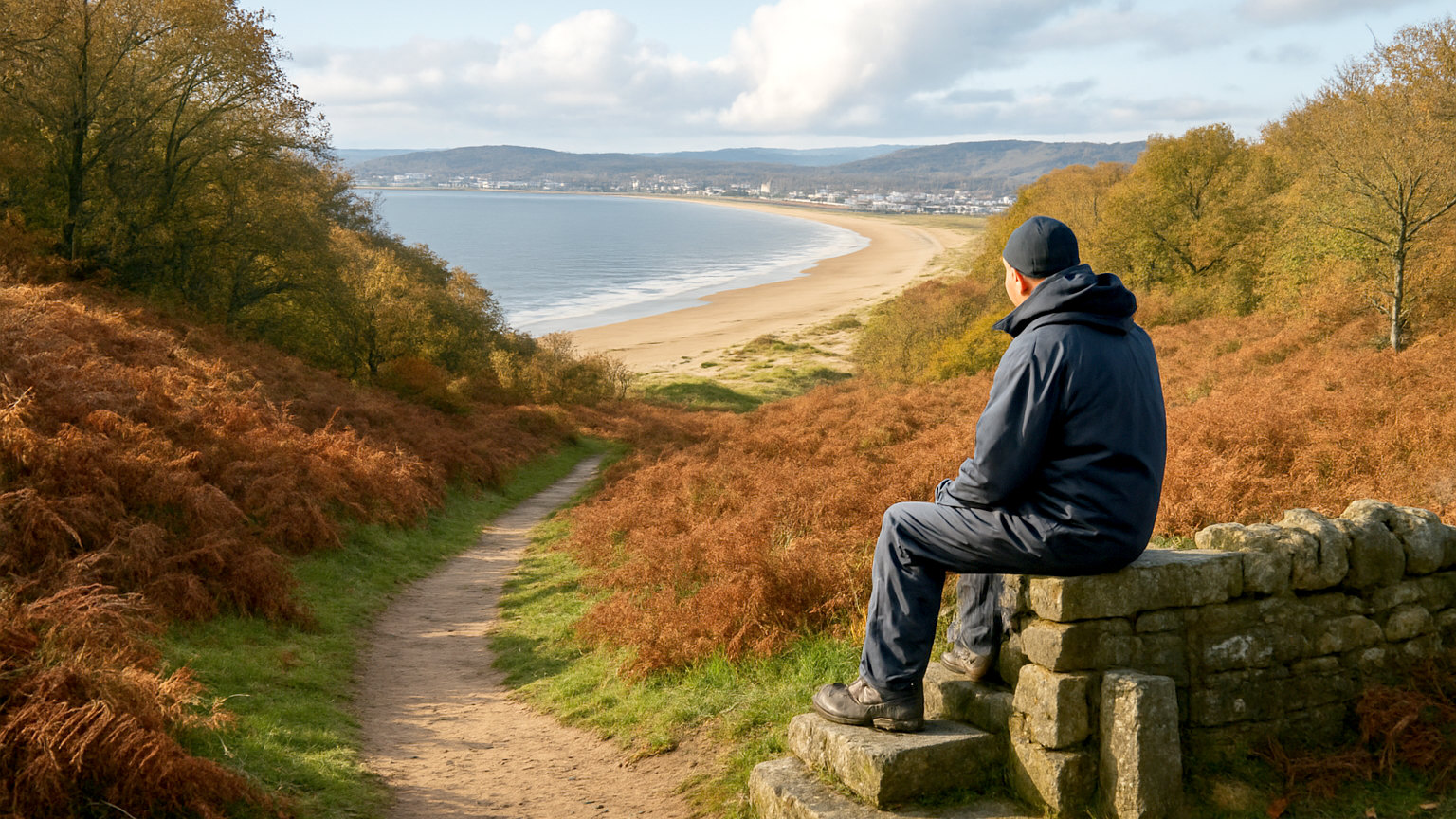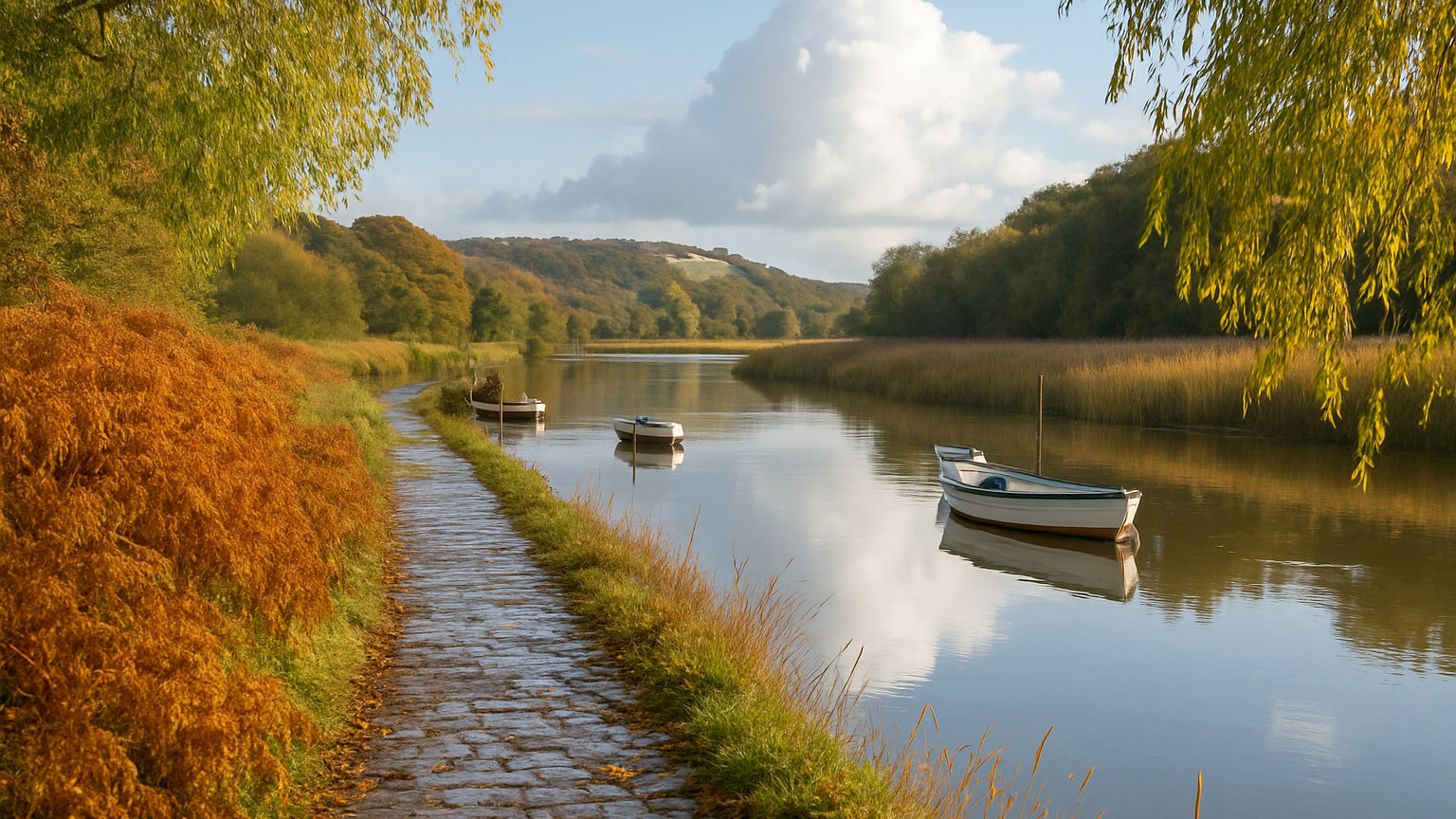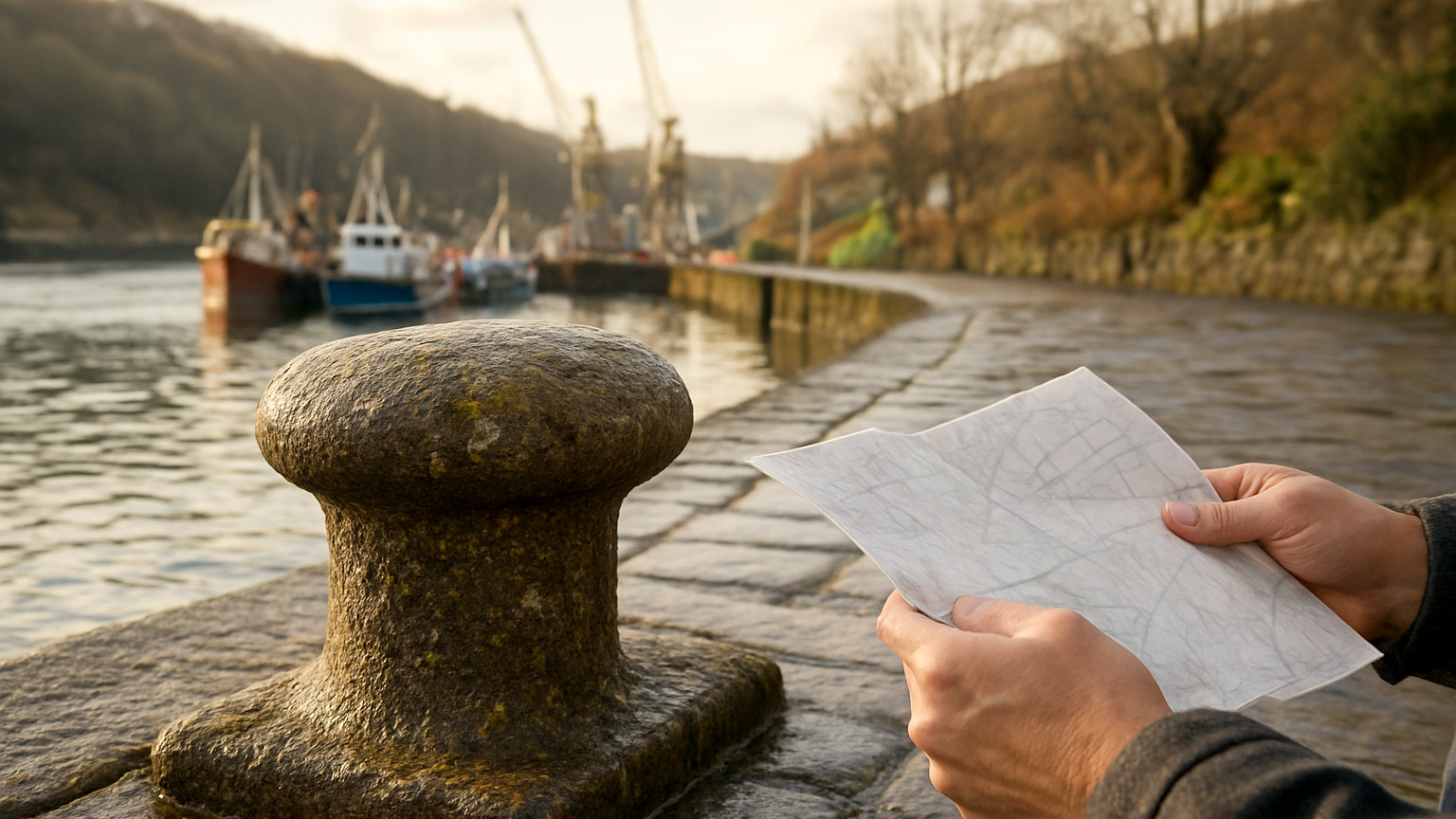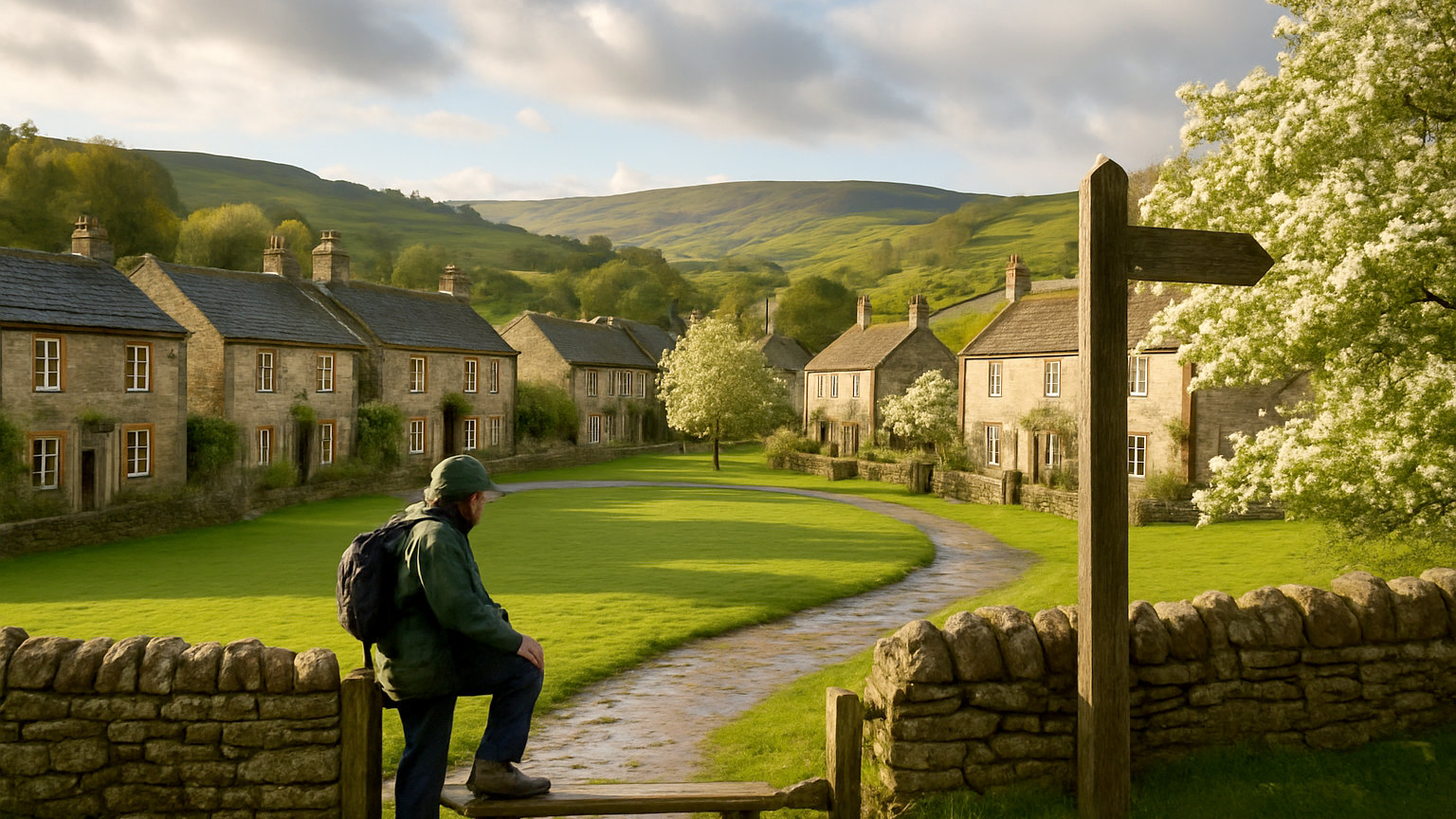
Yorkshire is the largest historic county in England and covers ground comparable to a small country. It contains two national parks, a substantial coastline, a walled medieval city, several large post industrial cities and a good deal of moorland in between. Three days is not enough to see Yorkshire. It is enough to see one part of Yorkshire properly, which is a far better trip.
Why not try to cover it all?
Because the distances are real. The drive from the western Dales to the east coast crosses the whole county on roads that are frequently slow, and doing it twice in a long weekend leaves you with a tour of the A roads. Visitors who attempt the Dales, the moors, the coast and York in three days generally report the trip as exhausting rather than memorable.
The alternative is to pick one of the three natural clusters below and accept that the rest will wait for another visit.
What does the Dales route look like?
Base yourself in Grassington, Settle, Hawes or Skipton. Day one takes in Malham, where the cove, the tarn and Gordale Scar form a compact circuit that is among the best short walks in England. Day two follows Wharfedale or Swaledale, with Bolton Abbey, Aysgarth Falls or the Buttertubs Pass depending on which valley you have chosen.
Day three is a market town and a viaduct: Hawes for the cheese, Ribblehead for the railway, or Richmond for the castle and the cobbled square. This route suits walkers and drivers and is the strongest of the three for landscape.
What does the moors and coast route look like?
Base yourself in Whitby, Robin Hood's Bay or Pickering. Day one covers the North York Moors, which are at their most striking in late August when the heather flowers, plus the abbey ruins at Rievaulx and the villages of Hutton le Hole and Goathland.
Day two is Whitby itself, with the abbey, the harbour and the town, and day three the coast south to Robin Hood's Bay and Scarborough or north to Staithes and Saltburn. The North Yorkshire Moors Railway links several of these and turns a driving day into a slower, easier one.
What does the York and south route look like?
York alone justifies two days. The Minster, the walls, the Shambles, the Jorvik and railway museums and a considerable number of pubs occupy a full weekend without leaving the centre, and the city is compact enough that you will not need a car within it.
The third day works well as a day trip to Castle Howard, Harrogate and Knaresborough, or Fountains Abbey and Studley Royal, which is among the most impressive ruined abbeys in the country and is easily reached from York.
Which route suits which visitor?
First time visitors to England generally get most from the York route, because the city delivers a great deal within walking distance and is straightforward without a car. Walkers and photographers should take the Dales. Families and anyone travelling with people who want a beach as well as a view are usually best served by the moors and coast.
How should you handle the travel?
York is well served by rail from London, Edinburgh and Manchester, and a car is unnecessary if you stay in the city. The Dales and the moors effectively require one, since bus services are limited and seasonal, though the Settle to Carlisle railway is a genuine exception and one of the most scenic lines in the country.
Allow more driving time than the map suggests. Dales roads are narrow, walled and slow, and moorland roads carry sheep that are unfenced and unbothered by traffic.
When is the best time to go?
Late August into early September for the moors, when the heather is in flower and the landscape turns purple for a few weeks. May and June for the Dales, when the hay meadows around Muker and Swaledale are at their best. York works year round and is particularly good in December, though the city is busy then.
What is the most common mistake?
Booking accommodation in one cluster and planning activities in another. Check the actual driving time between where you are sleeping and what you intend to see before you book, because a cottage that looks central on a county map can be ninety minutes from the thing you came for.