Northumberland has more castles than any other English county, a coastline of wide empty beaches, the largest area of protected dark sky in the country and a Roman wall running across it. By any reasonable measure it should be as busy as Cornwall. It is not, and in high summer you can walk a mile of beach here and pass a handful of people.
Why does it stay so quiet?
Geography and habit. Northumberland sits in the far north east, several hours from the population centres of the Midlands and the south, and it is not on the way to anywhere. The traditional English holiday routes run west and south west, and that pattern is generations old.
The weather reputation contributes. The North Sea is colder than the Atlantic, the coast can be windy, and visitors assume it is bleak. In fact the eastern side of England is drier than the west, and Northumberland receives noticeably less rain than the Lake District an hour and a half away.
What is the coast actually like?
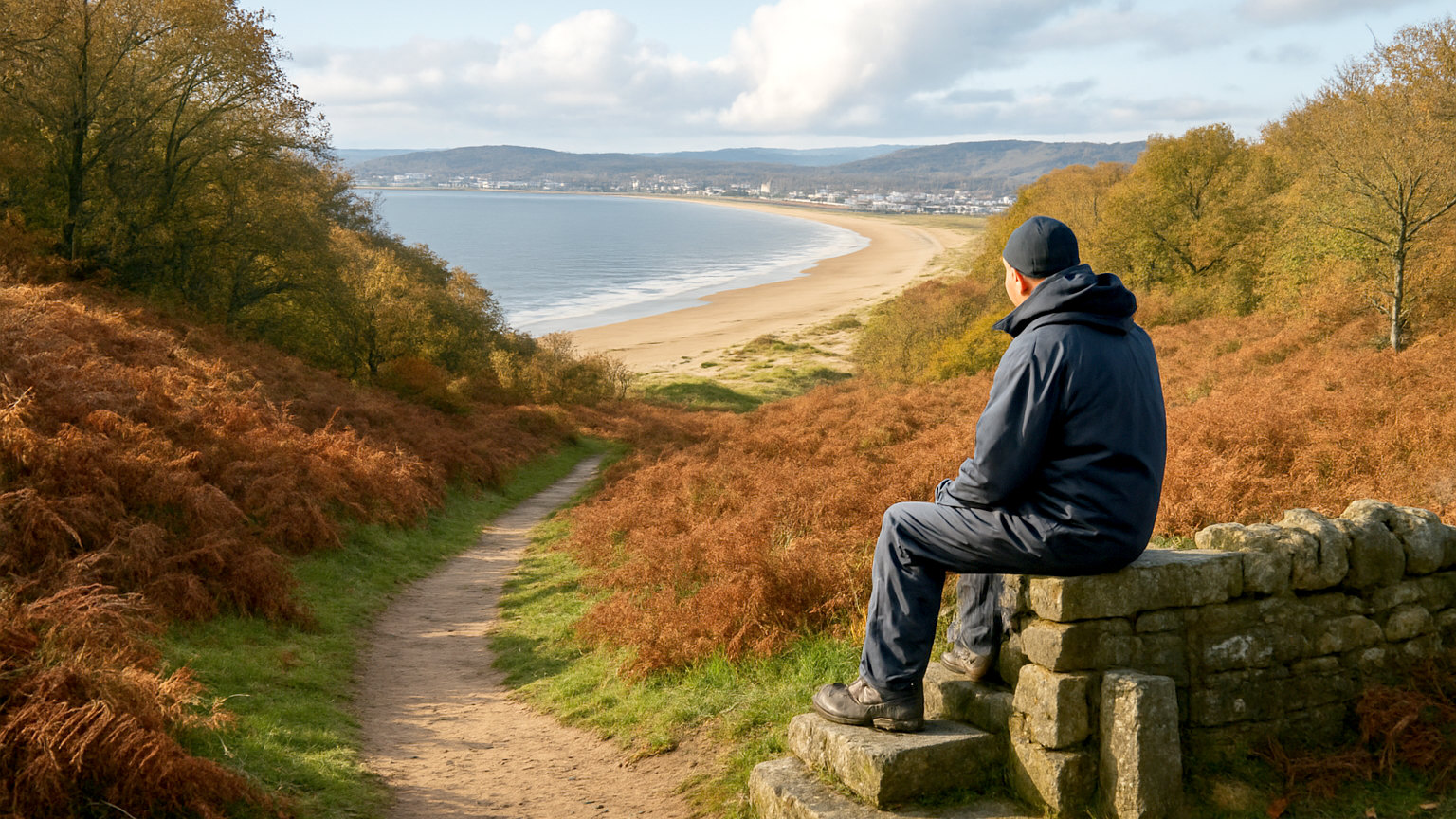
Long stretches of pale sand backed by dunes, punctuated by castles on headlands. Bamburgh is the best known and sits directly above a beach that runs for miles. Embleton, Beadnell, Alnmouth and Druridge Bay are all substantial beaches that rarely feel crowded even in August.
The water is cold year round and swimming requires either a wetsuit or a short attention span. What the coast does deliver is space, and for walking, birdwatching and photography it is among the best in England.
Which castles are worth the time?
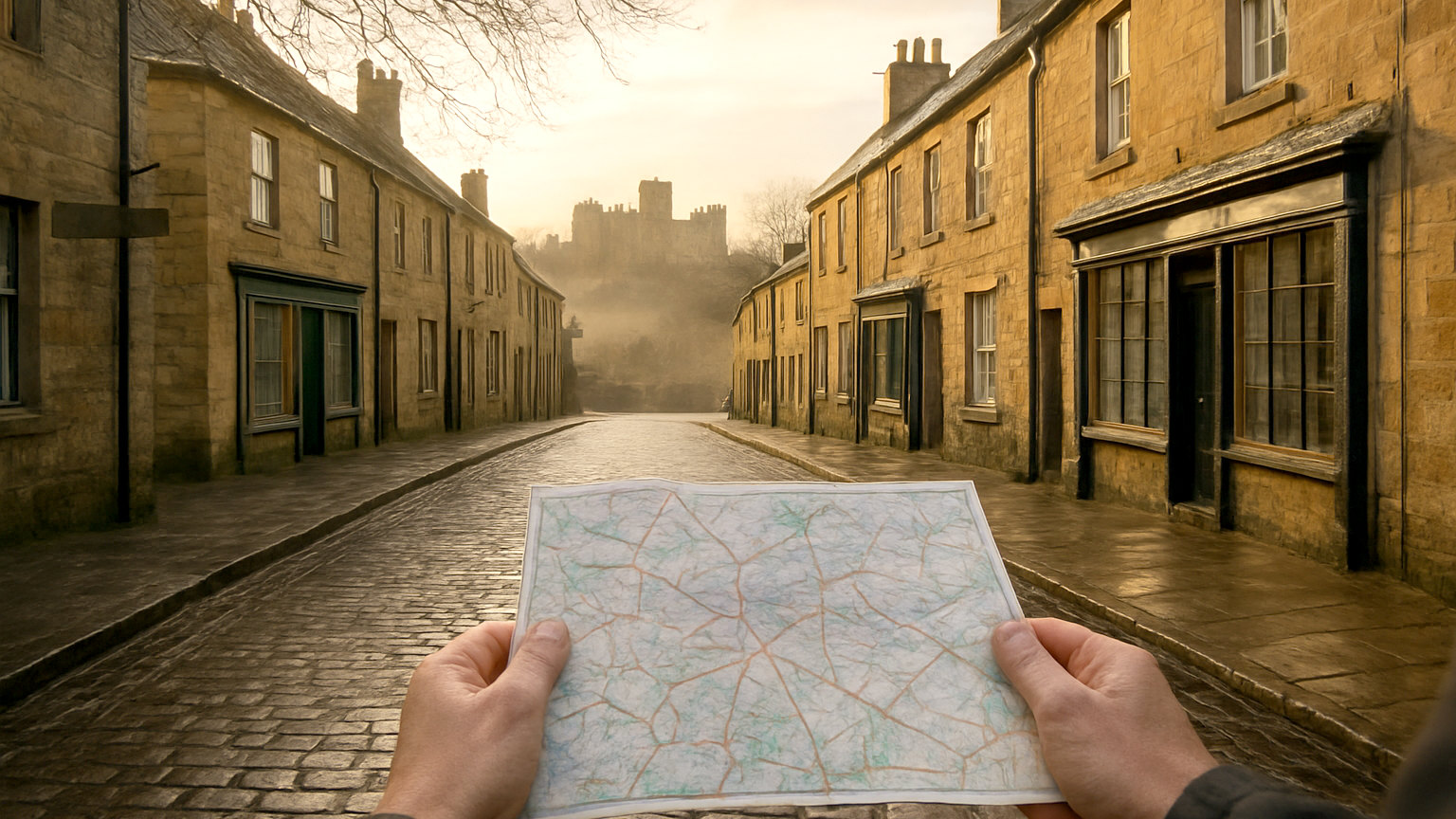
Bamburgh for the setting, Alnwick for the interiors and gardens, Dunstanburgh for the walk out to a ruin on a headland with no road access, and Warkworth for a compact keep above a river loop. Lindisfarne Castle sits on Holy Island and comes with the tide complication described below.
Three in a day is comfortable if they are clustered. Attempting all of the major ones in a weekend produces castle fatigue, which is a real phenomenon.
How does Holy Island work?
Holy Island, or Lindisfarne, is a tidal island reached by a causeway that floods twice a day. Crossing times are published in advance and are not advisory. Vehicles are stranded on the causeway every year by drivers who thought they had time, and the refuge boxes on the crossing exist because of it.
Check the safe crossing times before you set off, allow a margin at both ends, and plan to spend either a short window or a full tidal cycle on the island. The abbey ruins, the castle and the harbour occupy two or three hours comfortably.
What about Hadrian's Wall?
The best preserved central section runs through the county between Chollerford and Greenhead, and this is where the wall becomes genuinely impressive rather than a low line of stones. Housesteads, Vindolanda and the crags around Steel Rigg and Sycamore Gap are the highlights.
Walking a section beats driving between car parks. Even a two mile stretch along the crags conveys the scale of the thing in a way a visitor centre cannot.
Why are the dark skies significant?
Northumberland International Dark Sky Park covers a very large area of Northumberland National Park and Kielder Water and Forest Park, and it has some of the lowest light pollution in England. On a clear moonless night the Milky Way is visible without equipment.
This is a winter activity rather than a summer one, since northern summer nights barely get properly dark. Late autumn through to early spring gives the long dark hours needed.
How long should you stay?
Four nights covers the coast and castles comfortably. Six lets you add the wall and the national park inland, which are a different landscape entirely. Bases on the coast at Bamburgh, Seahouses, Alnmouth or Craster suit the first; Hexham or Haltwhistle suit the second.
The county rewards a slower pace than its size suggests, largely because the roads are quiet and the distances between the good things are short. It is one of the few parts of England where an August trip does not require planning around crowds at all.