The New Forest is a national park on the south coast, about ninety minutes from London by train, and it is among the easiest parts of England to enjoy in a single day. It is flat, largely free to access, served by several railway stations inside the park boundary, and small enough that you can see a genuine cross section without spending the day driving.
What is it actually like?
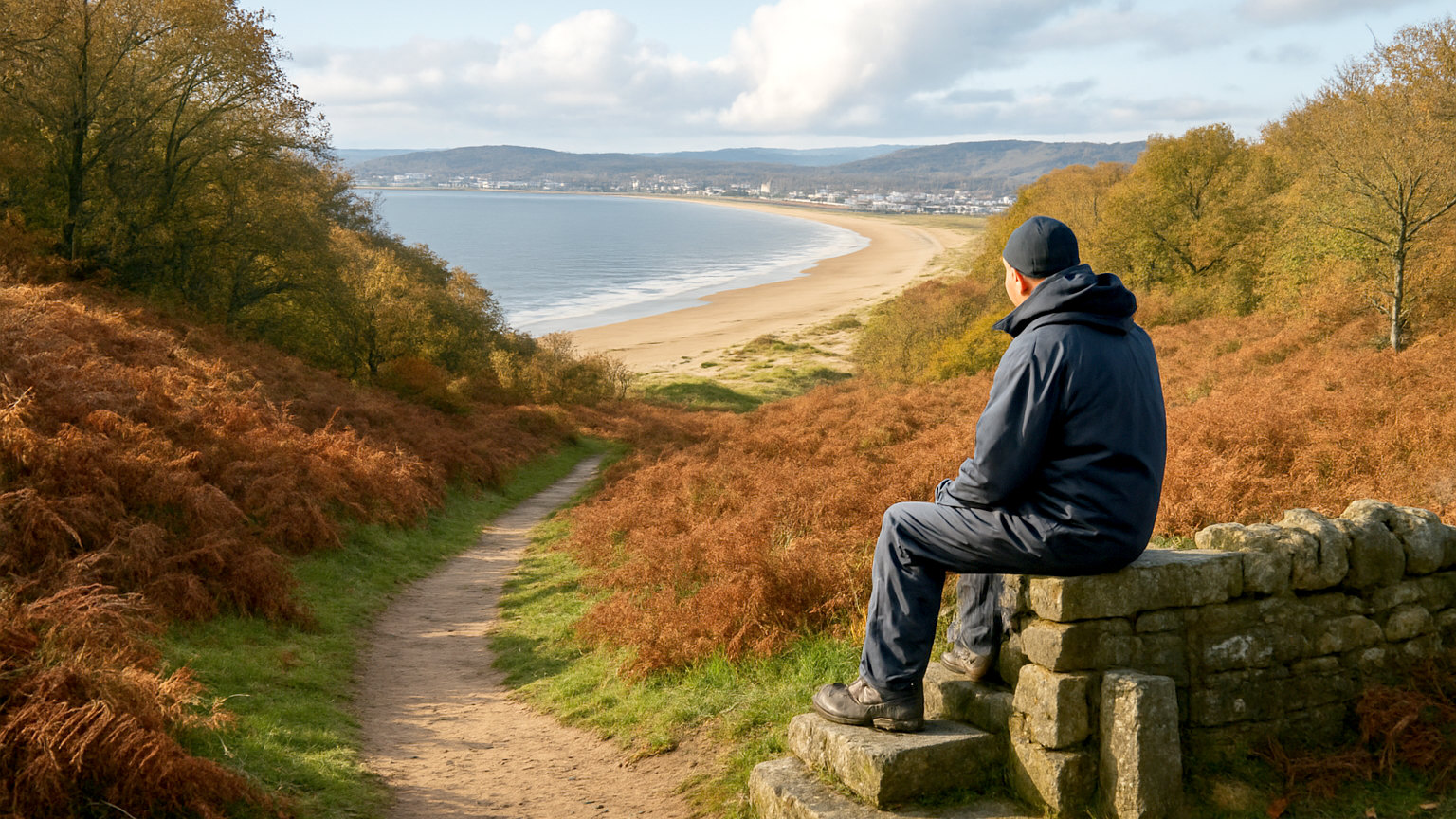
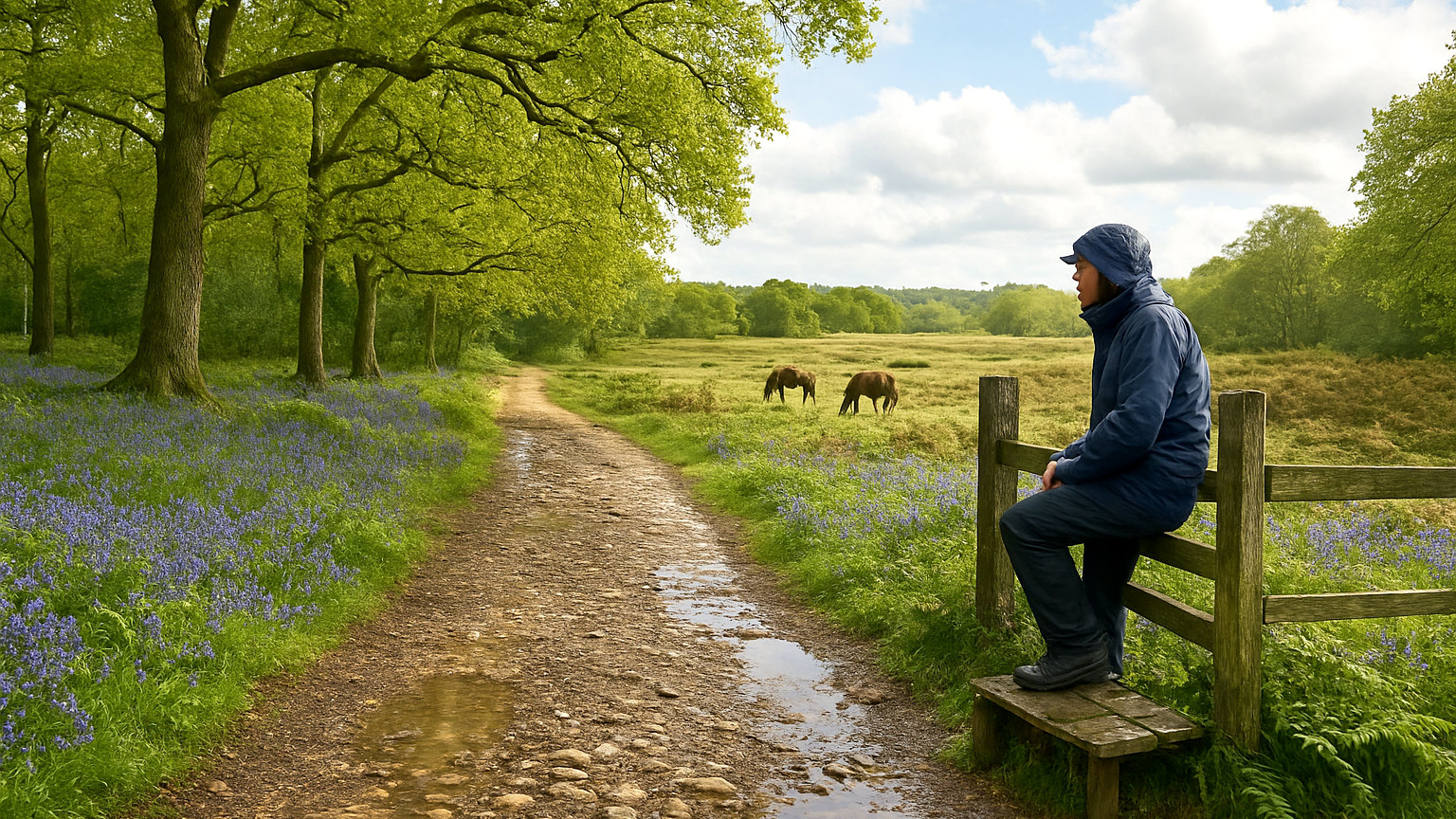
A mix of open heathland, ancient woodland, boggy lawns and enclosed plantation, grazed by ponies, cattle, donkeys and pigs that belong to local people holding ancient common rights. The animals roam freely and are not wild, which is a distinction that matters for how you behave around them.
It was set aside as a royal hunting forest in the eleventh century and the commoning system has continued since, which is why the landscape looks the way it does. Without the grazing it would revert to scrub within a few decades.
Where should you start?
Lyndhurst is the centre and has the main visitor centre and museum, a large car park and places to eat. Brockenhurst is the better arrival point by train, with the most frequent services and ponies walking through the village itself.
Either makes a sensible base for a day. From Brockenhurst you can walk into open forest within ten minutes of leaving the station, which is unusual for a national park.
What fits comfortably into one day?
A workable day is the Bolderwood and Rhinefield Ornamental Drive for the tall trees and deer platform in the morning, lunch in Lyndhurst or Brockenhurst, and an afternoon walk in the ancient woodland at Mark Ash or a heathland loop from Wilverley or Hatchet Pond.
If you would rather include the coast, Lymington makes a good afternoon, with a Georgian high street, a Saturday market and a harbour, and the salt marshes and shingle at Keyhaven are a short drive further on.
Where are you most likely to see deer?
The observation platform at Bolderwood has a dedicated viewing area where fallow deer are often visible, particularly in the late afternoon and in the autumn rut. Five species live in the forest, though the others are considerably harder to see.
Dawn and dusk are the reliable times anywhere in the park. In the middle of a busy summer day the deer are generally deep in cover.
What are the rules visitors most often break?
Feeding the ponies, which is illegal, dangerous and a genuine problem. Hand feeding draws them to roadsides, where they are killed by cars every year, and encourages them to approach and occasionally bite or kick people. Do not feed them and do not stand between a mare and a foal.
The other common breach is parking on the verges rather than in the marked gravel car parks, which damages the heath and obstructs the animals. Barbecues and open fires are prohibited across the forest because of the fire risk in dry heathland, and dogs need to be under close control around grazing stock and away from ground nesting birds in spring and early summer.
Is it good for cycling?
Very. There is an extensive network of waymarked gravel tracks through the inclosures, the terrain is flat, and several hire companies operate from Brockenhurst and Burley. It is one of the few national parks where cycling is genuinely the best way to cover ground.
Cycling is restricted to the waymarked routes rather than open across the heath, which protects the habitat and the grazing animals.
When is the best time to come?
Autumn is the strongest season, when the beech woods turn, the deer rut and the pannage season begins, during which pigs are released to eat fallen acorns that are poisonous to ponies. Spring brings foals and new growth. Summer is busiest and the car parks near the villages fill on fine weekends.
Because so much of the park is open access and free, the crowding disperses quickly once you walk a few hundred metres from a car park, which is not true of most English beauty spots in August.