England has a dense rail network by international standards and a bus network that ranges from excellent to effectively absent depending on where you are standing. Whether a car free trip works here is almost entirely a question of which parts of the country you intend to visit, and the honest answer varies from completely straightforward to genuinely impractical.
Which parts of England work well without a car?
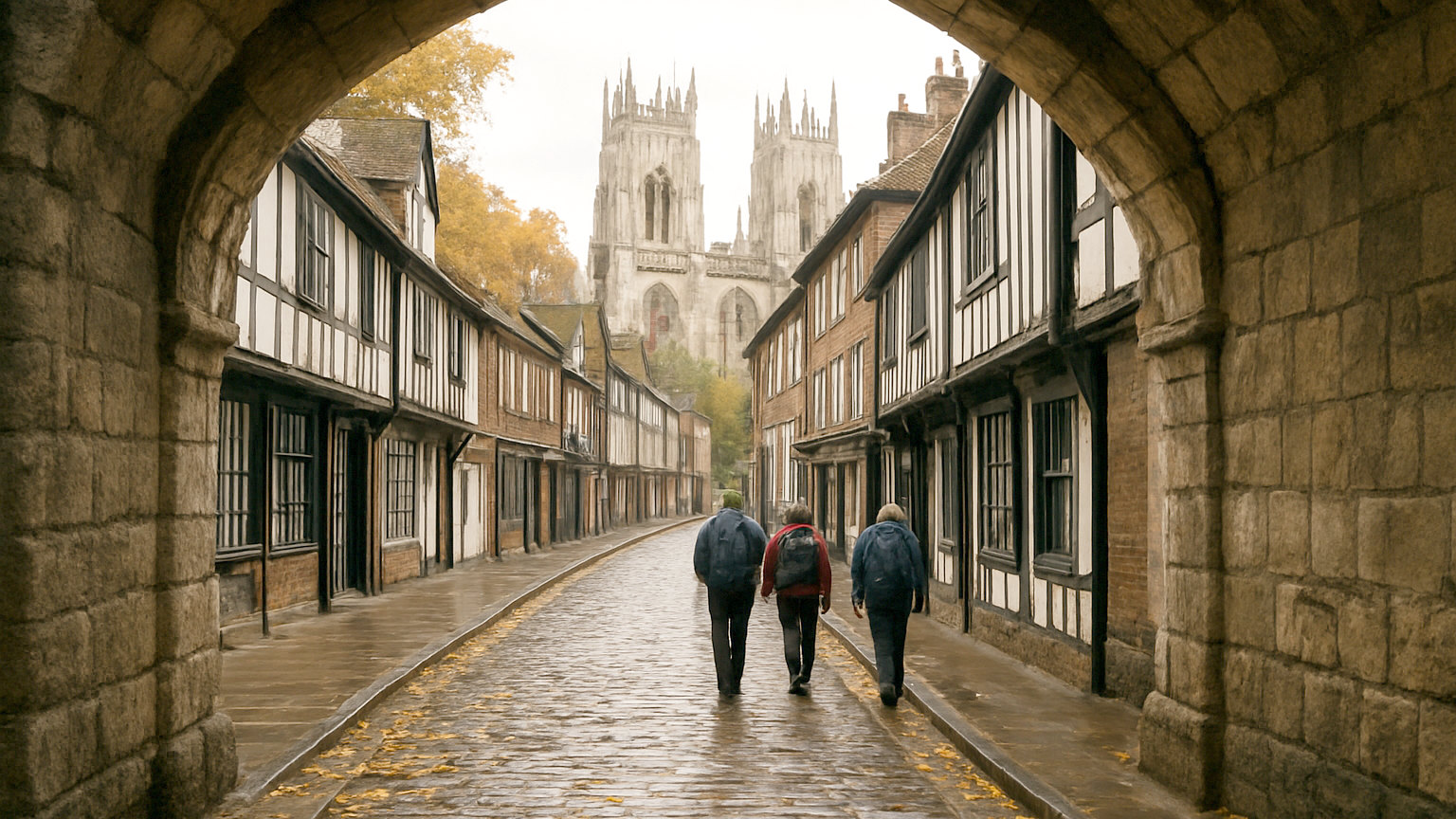
Cities and the corridors between them work extremely well. London, York, Bath, Bristol, Manchester, Liverpool, Newcastle, Oxford and Cambridge are all connected by frequent direct trains, and each is compact enough to explore on foot once you arrive.
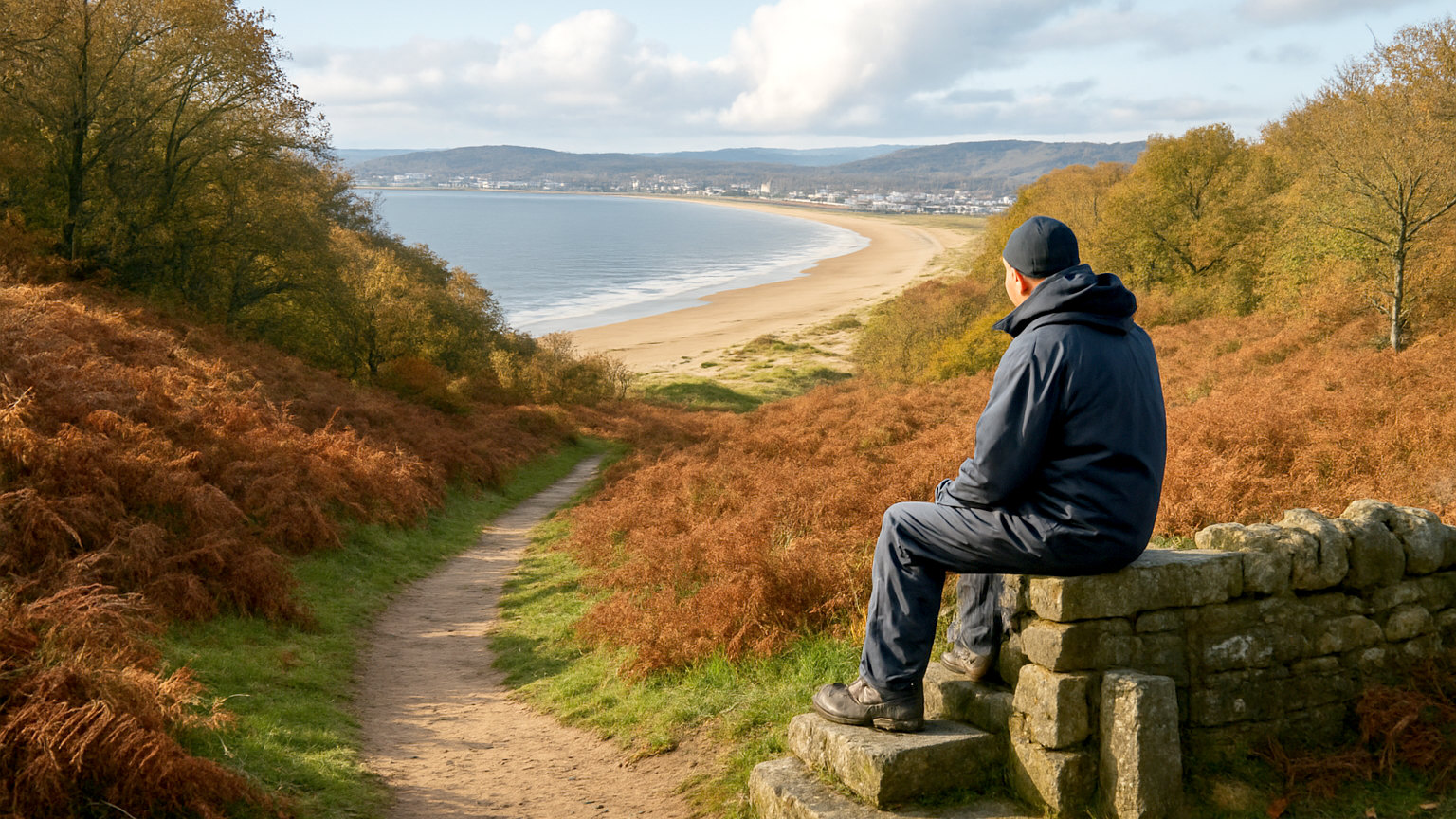
Several rural areas are also well served because a railway happens to run through them. The Lake District has a branch line to Windermere and a good seasonal bus network; the North York Moors has a heritage railway; and much of the south coast, from Kent through Sussex to Dorset, is reachable by train.
Where does it become difficult?
The Cotswolds, much of Northumberland, the interior of the Yorkshire Dales, west Devon and the Peak District away from the main towns. In these areas buses may run a few times a day, not at all on Sundays, or only in summer.
The pattern to watch for is a destination that is beautiful, rural and popular with drivers. That combination almost always means limited public transport, because the visitor economy assumes cars.
How do you buy train tickets sensibly?
Advance tickets released for a specific train are usually far cheaper than buying on the day, and the same journey can vary by a factor of four depending on when you book and which departure you take. Tickets typically go on sale several weeks ahead.
Off peak and super off peak fares avoid the morning and evening commuter periods and are considerably cheaper than anytime tickets. Split ticketing, where a journey is booked as two or more tickets covering the same train, is legal and frequently cheaper, and several websites do the calculation for you.
Are railcards worth it?
For most people making more than two or three return journeys a year, yes. There are railcards for people aged sixteen to thirty, those over sixty, two adults travelling together, families with children, disabled passengers and members of the armed forces, and each gives roughly a third off most fares.
The saving on a single long distance return often covers the annual cost outright, so the calculation is usually straightforward.
What about buses and coaches?
Long distance coaches connect major cities and are considerably cheaper than trains, at the cost of taking longer and being subject to traffic. They are a reasonable option for direct city to city journeys where time is not critical.
Local buses are the weak link. Services have been reduced substantially in many rural areas, evening and Sunday services are frequently absent, and timetables change seasonally. Check the actual timetable for the actual date rather than assuming a route exists.
How do you reach rural areas without driving?
Three approaches work. Take a train to the nearest town and use taxis for the last few miles, which is often cheaper than a week of car hire. Choose accommodation deliberately within walking distance of a station. Or use the seasonal and open top bus services that several national parks run in summer, which are designed for visitors rather than commuters.
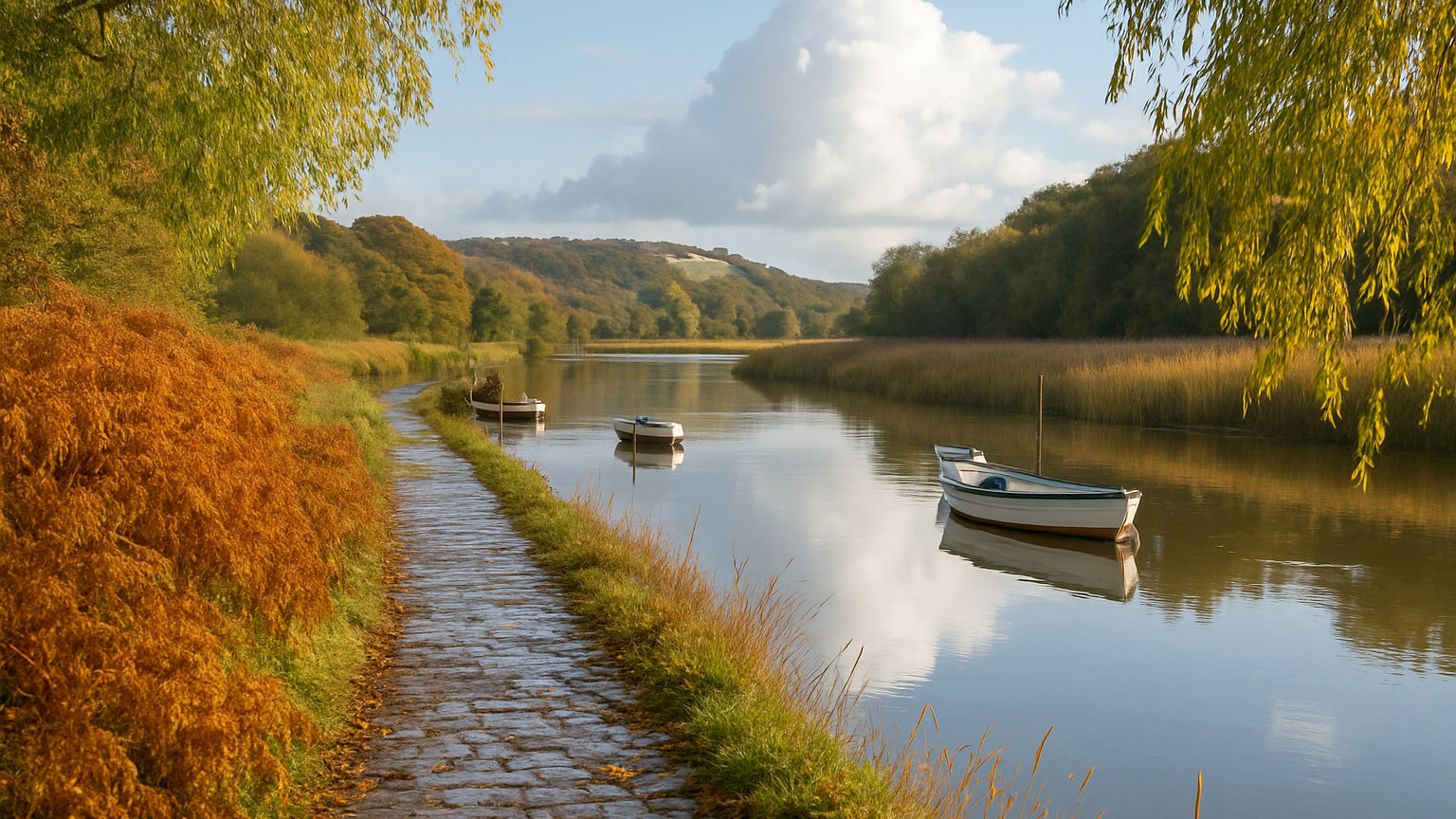
Cycling covers the gap well in flatter areas such as Norfolk, Suffolk and parts of the south, and several long distance routes have baggage transfer services.
What happens when a train is cancelled?
You are entitled to compensation under the delay repay schemes operated by train companies, generally starting at fifteen or thirty minutes of delay depending on the operator, and you claim directly from the company. Keep the ticket or the booking confirmation.
If a service is cancelled or delayed significantly you can usually travel on the next available service, and if you choose not to travel at all you can claim a full refund. Rail replacement buses are common at weekends during engineering works, and these are published well in advance, so checking the day before travel is worth the minute it takes.