Devon is one of the two or three most popular domestic holiday destinations in England, and in the six weeks of the English summer holidays it absorbs an enormous number of visitors into a county with narrow lanes and limited parking. The crowding is real, it is concentrated in predictable places, and most of it can be worked around by people who know the pattern.
When exactly is the peak?
English schools generally break up in the third or fourth week of July and return in the first week of September, and the peak runs almost the whole of that period. The very busiest weeks are the two either side of the August bank holiday.
Late May half term and the two weeks around Easter produce shorter spikes. Outside those, even July before the schools break can be noticeably quieter than August, at nearly identical weather and considerably lower prices.
Why is Saturday the worst day to travel?
Because most self catering properties change over on a Saturday, which puts tens of thousands of arriving and departing cars on the same roads at the same time. The queues on the main routes into the county, particularly around Exeter and on the roads towards Torbay and the south coast, are a fixture of August Saturdays.
Travelling on any other day avoids most of it. If your booking is Saturday to Saturday, leaving very early or arriving in the evening makes a substantial difference.
Which places suffer most?
The small coastal villages with limited access and parking. Salcombe, Beer, Bantham, Hope Cove and the villages on the South Hams coast all have far more demand than road capacity. Woolacombe, Croyde and Bantham on the north coast are similarly pressured.
Dartmoor absorbs visitors far better because it is large and open, though the car parks at Haytor and around Burrator fill early. Exmoor is quieter still.
How bad is the parking situation?
At popular beaches, car parks are frequently full by mid morning in August, and roadside parking in the villages is heavily restricted and actively enforced. Some coastal lanes are physically too narrow for parked cars without blocking emergency access.
Arriving before about half past nine or after about four transforms the experience. Several beaches also run park and ride or shuttle services in peak season, which are worth using where they exist.
Which parts stay quieter?
Mid Devon and the area around the Blackdown Hills see very few visitors. The north coast between Ilfracombe and Bideford is quieter than the equivalent stretch in the south, and the far north around Hartland is quieter again, though the beaches there are more rugged and less swimmable.
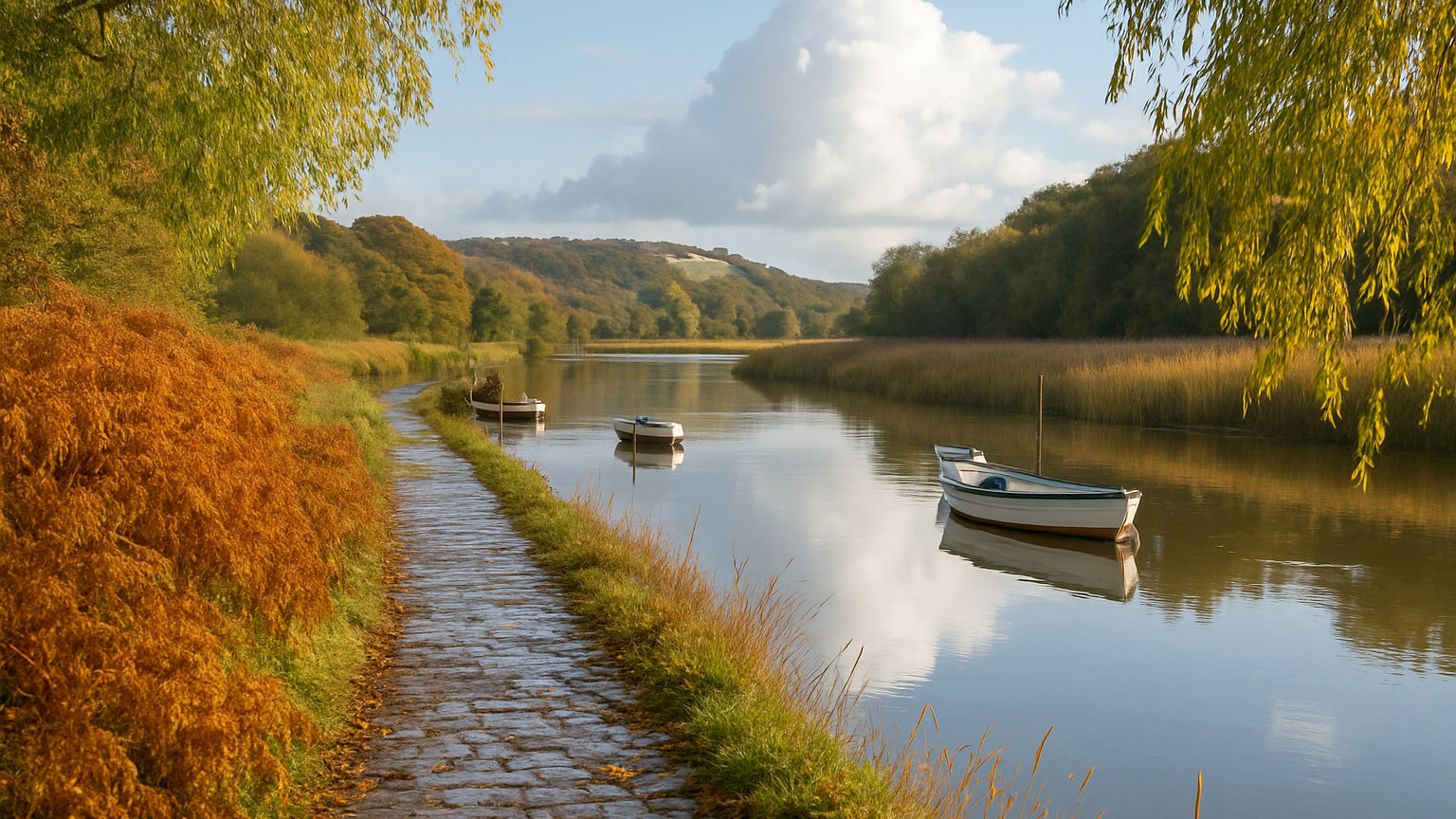
Inland Dartmoor, away from the two or three famous tors, is empty even in August. So is much of the Tamar valley on the Cornish border.
Is it worth going in August at all?
If you have school age children you may have no choice, and the answer is yes with planning. Book accommodation a long way ahead, since the good properties go many months in advance. Choose a base you can walk from rather than driving out each day. Do the popular sites early or late and the quiet ones in the middle of the day.
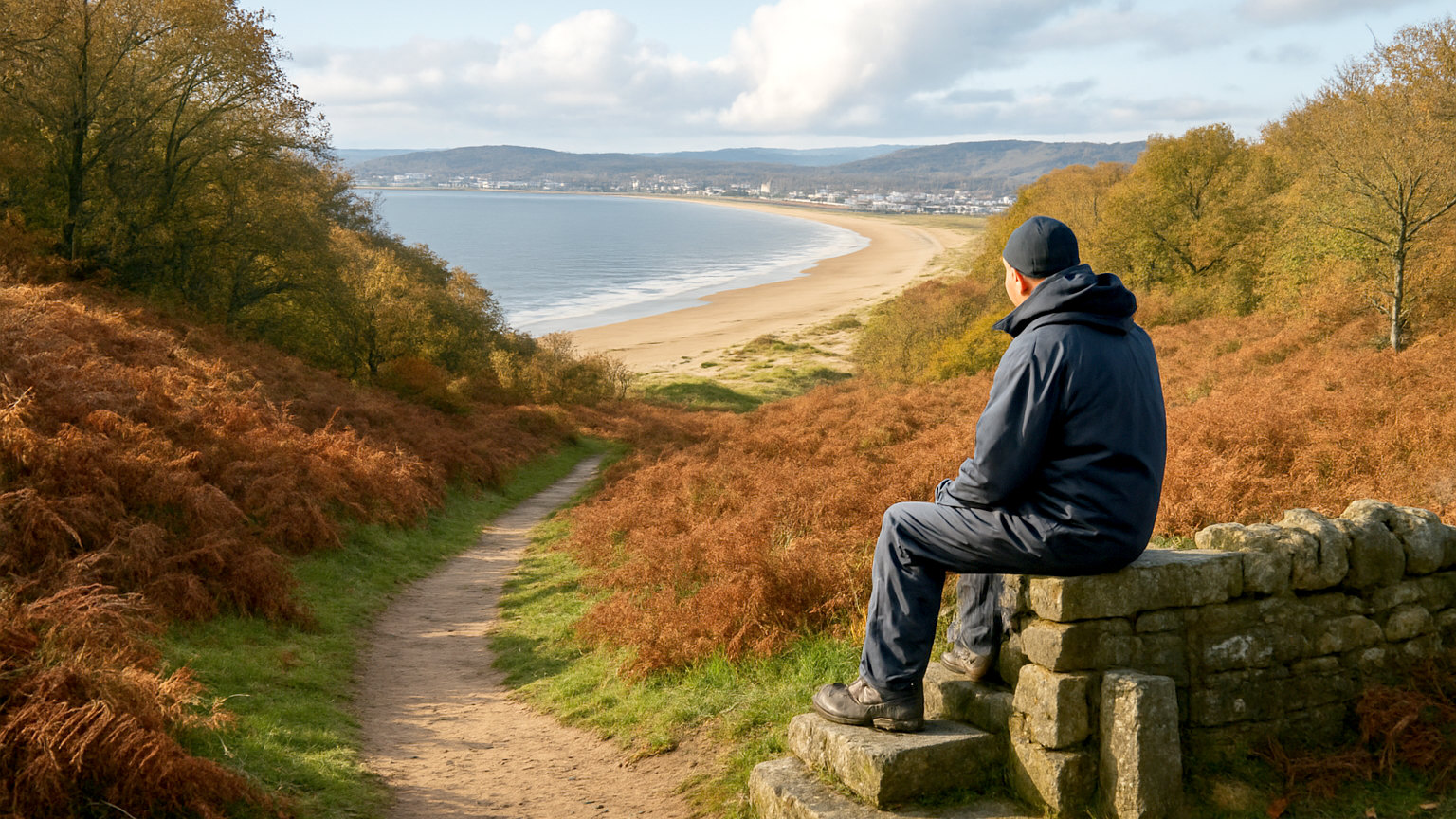
Booking a property with a beach or a coast path within walking distance is the single most effective decision, because it removes the daily parking problem entirely.
What is the alternative?
The first half of September is the standard recommendation for good reason. The sea is at its warmest of the year, the weather is broadly similar to August, prices drop sharply once schools return, and the beaches empty almost overnight. Late June has the same advantage in reverse, with long days and no crowds.
For visitors without children in school, avoiding the six week window is worth more than any other planning decision you can make about a Devon trip.