Cornwall in August and Cornwall in January are close to different destinations. The landscape is the same, but the price, the crowding, the opening hours and the mood all change so substantially that advice written about one is nearly useless for the other. Winter here is genuinely rewarding for some visitors and genuinely disappointing for others, and the difference is entirely about expectations.
What is the weather actually like?
Milder than most of England and considerably wetter and windier. Cornwall sits in the warmest part of the country in winter and hard frosts are uncommon, particularly near the coast. Snow is rare enough to be an event.
What you do get is wind and rain arriving off the Atlantic in sequences that can last for days. Storms are frequent between November and February, and coastal paths can be genuinely dangerous during them. Daylight is short, with the sun setting before half past four around the solstice.
What stays open and what closes?
Towns that have a resident population trade normally all year. Falmouth, Truro, Penzance and St Ives keep restaurants, pubs and shops going, and Truro in particular functions as a working city rather than a resort.
Smaller places built around summer visitors thin out considerably. Some beach cafes, surf shops and seasonal attractions shut from October to March, and a number of holiday villages become very quiet indeed. Larger attractions vary: some close entirely, some run reduced winter hours, so checking directly rather than assuming is essential before a long drive.
Who is a winter trip good for?
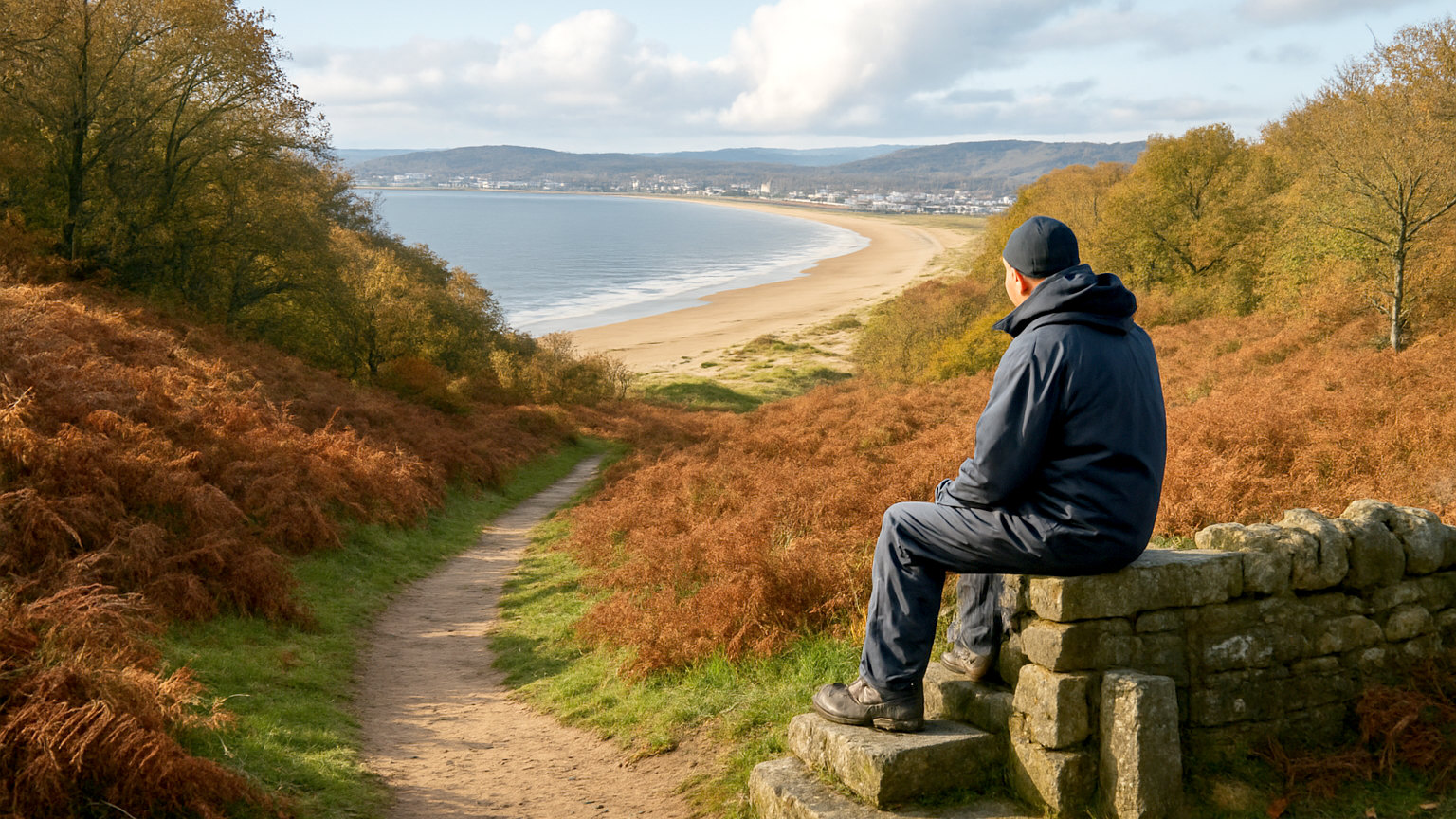
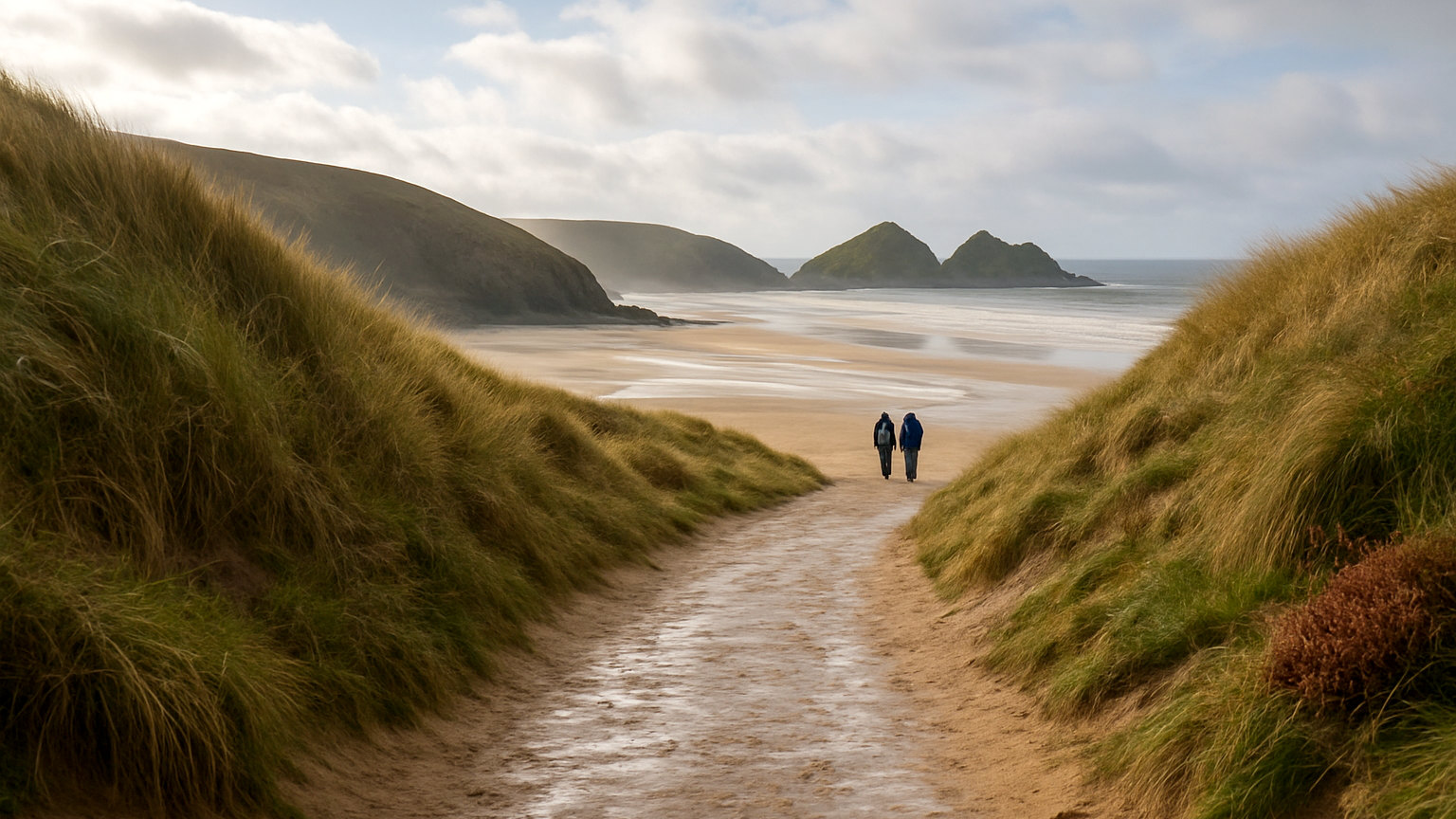
Walkers, photographers, surfers and anyone who wants the coast without the crowds. The South West Coast Path in winter is spectacular and empty, the light is low and long all day, and the Atlantic swell that makes summer surfing gentle makes winter surfing serious.
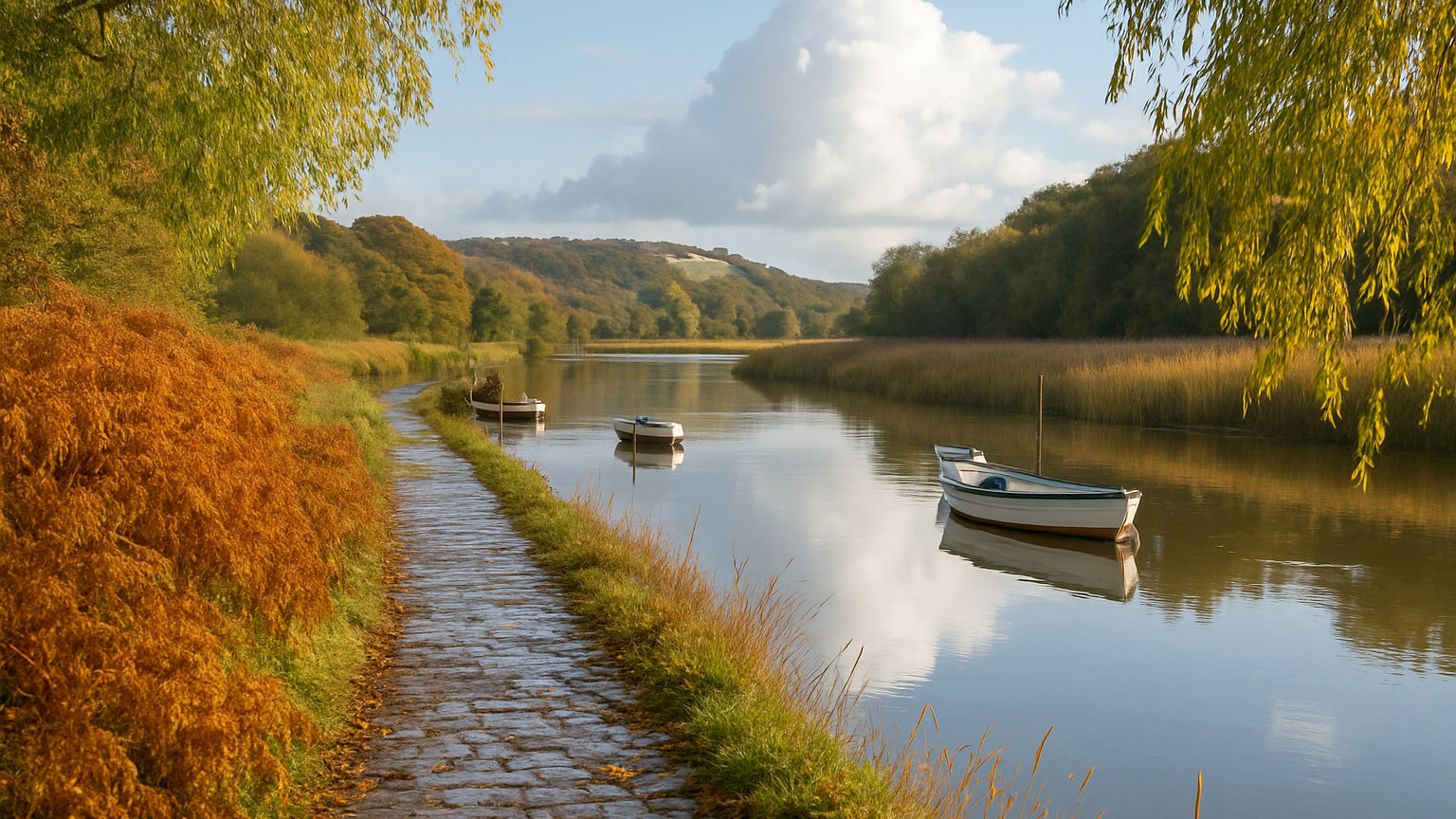
It also suits people who want a comfortable, indoor sort of holiday: a cottage with a fire, long lunches, a few galleries and a walk between weather fronts. Cornwall does that extremely well and charges a fraction of the summer rate for it.
Who should avoid it?
Families with young children who need reliable outdoor activity, anyone hoping to swim casually, and anyone whose plan depends on a specific attraction being open. Beach holidays in the conventional sense do not exist here in January.
It also suits poorly if you dislike driving in the dark on narrow lanes, because with sunset before five you will be doing a good deal of it.
How much cheaper is it?
Substantially. Self catering cottages that command premium rates in August frequently drop by more than half in January and February, and many owners offer short winter breaks that are not available at all in summer. Hotels in the main towns follow the same pattern.
Christmas and New Year are the exception and behave like a peak period, with prices and minimum stays closer to summer than to the rest of winter.
When is the best part of winter to go?
Late February and early March, if you want the balance to tip towards daylight. The days have lengthened noticeably, the worst of the storm season has usually passed, spring comes early to Cornwall and gardens such as those on the Lizard and around Falmouth begin flowering weeks before the rest of the country.
For pure storm watching and empty coast, December and January are stronger. Both require flexibility and a willingness to be indoors for a day at a time.
What should you plan differently?
Book somewhere with decent indoor space rather than the smallest cottage that fits your group, because you will spend more time in it. Confirm opening times directly with anything you intend to visit. Take proper waterproofs rather than a showerproof jacket, and check the tide and the forecast before any coastal walk, since paths near cliff edges in a strong onshore wind are not a reasonable risk.
Approached that way, winter Cornwall is one of the better value trips in England. Approached as a summer holiday with fewer people, it will disappoint.