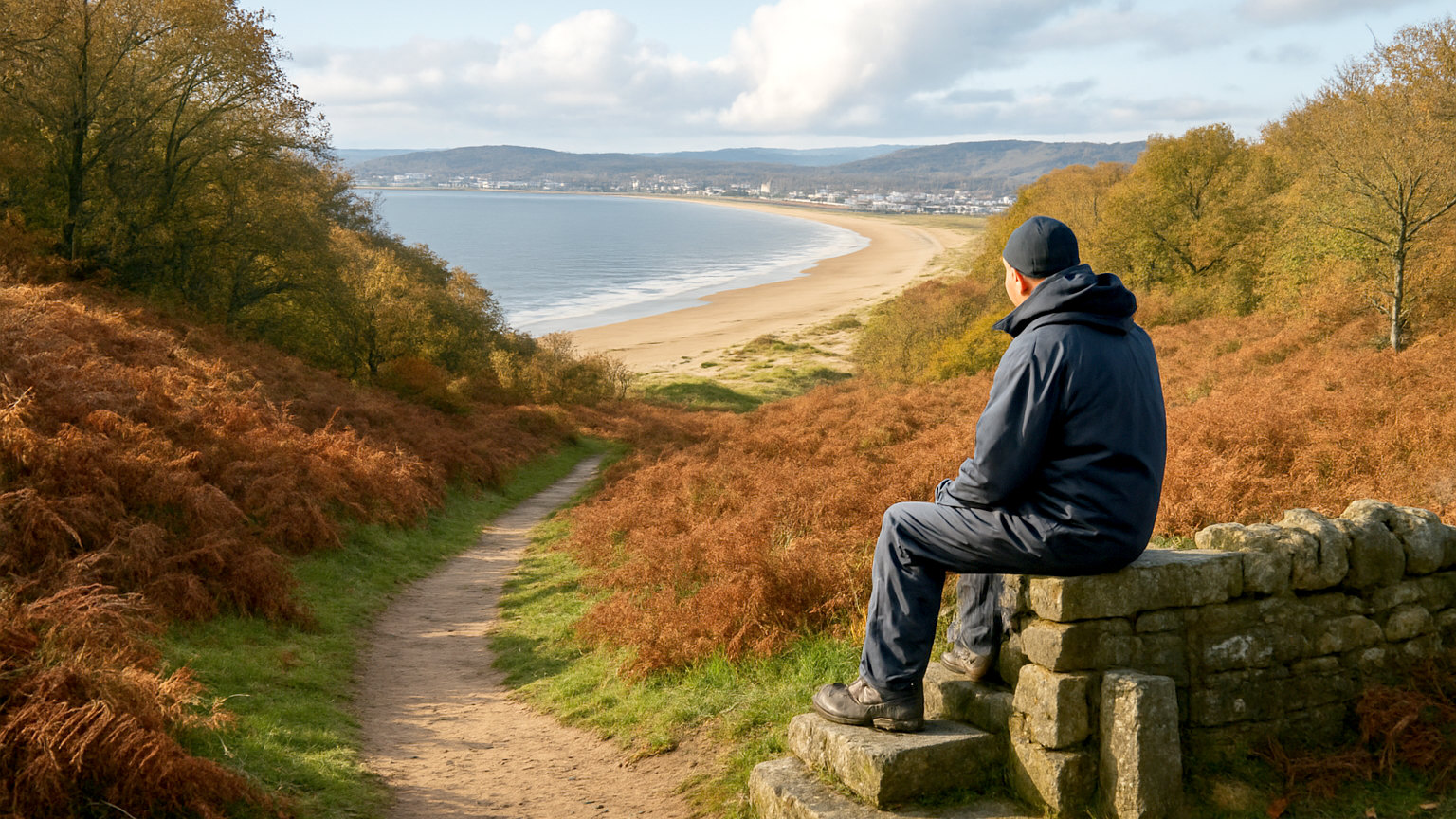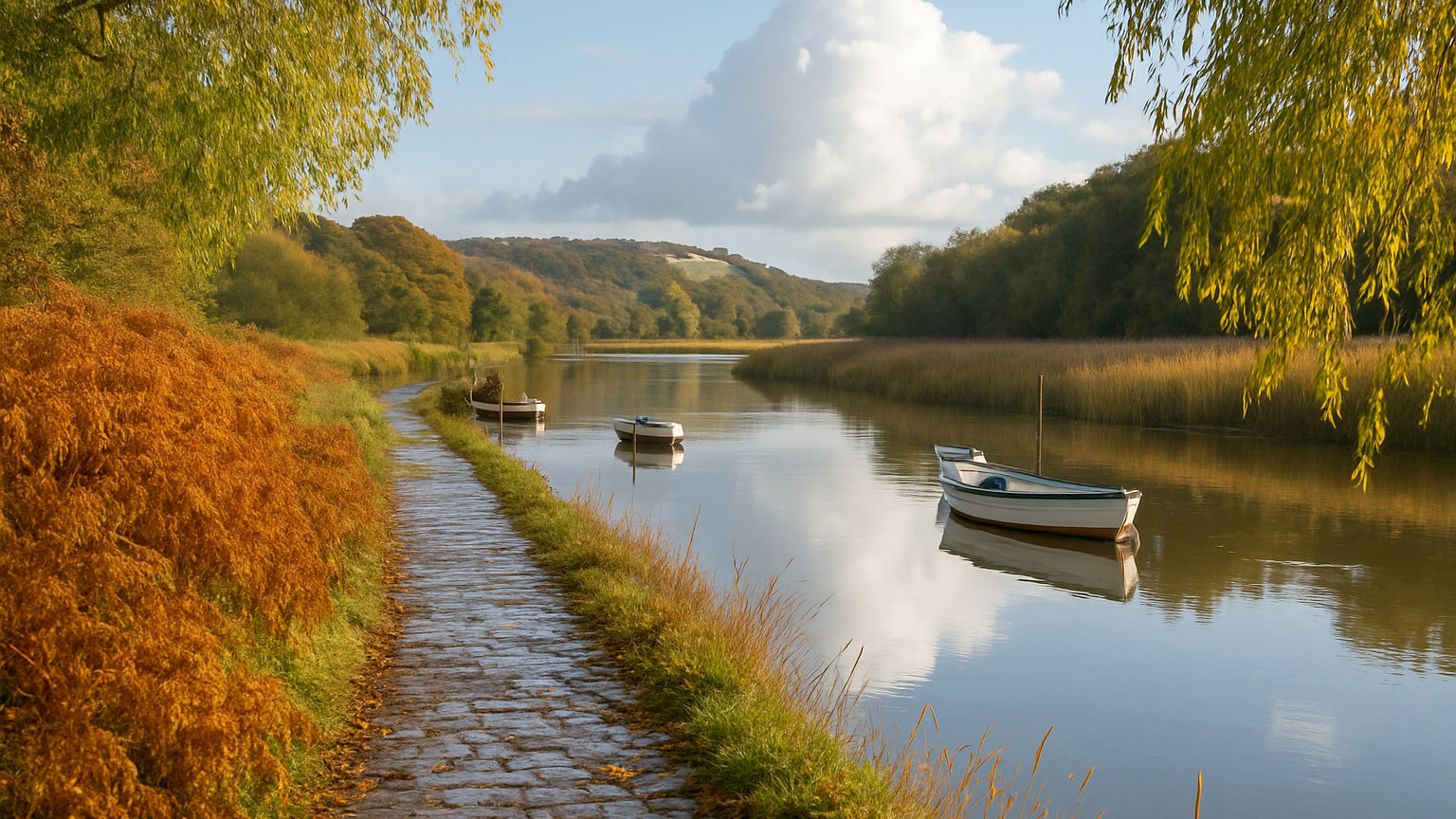
England has ten national parks, and treating them as interchangeable is the fastest route to a mismatched trip. They differ enormously in terrain, crowding, accessibility and what they are actually good for. A family looking for gentle days out and a walker looking for a mountain day should not be choosing from the same shortlist.
Which is best for mountains?
The Lake District, without serious competition. It contains every English peak above three thousand feet and the highest concentration of genuine mountain walking in the country. It is also the busiest park by a wide margin, and the honeypot valleys in summer are extremely crowded.
The compromise is timing and location. The western and northern valleys, and any month outside July and August, give you most of the landscape with a fraction of the traffic.
Which is best for a first walking trip?
The Peak District. It is within an hour of several large cities, which makes it easy to reach without a long drive, and it splits into two distinct halves: the gritstone edges and moors of the Dark Peak in the north, and the limestone dales and villages of the White Peak in the south.
The White Peak in particular offers well surfaced, well signed walking with cafes and pubs at sensible intervals, which suits people building confidence. The Dark Peak is rougher and more exposed and should not be underestimated in poor weather.
Which is quietest?
Northumberland National Park receives a small fraction of the visitors the Lake District does, and much of it feels genuinely remote. It also holds most of the best preserved section of Hadrian's Wall and a very large dark sky area.
The North York Moors and Exmoor also stay relatively quiet, particularly away from the coast and the few well known villages.
Which suits families with young children?
The New Forest is the strongest choice. It is flat, the walking is easy, there are ponies and cattle roaming freely, cycling is straightforward on the gravel tracks, and it is close to the south coast. The absence of steep ground removes most of the difficulty.
The Broads is the other obvious candidate, since the appeal is boats rather than hills and the whole area is at or near sea level. Both are among the easiest parks to enjoy without much walking.
Which is best for coastline?
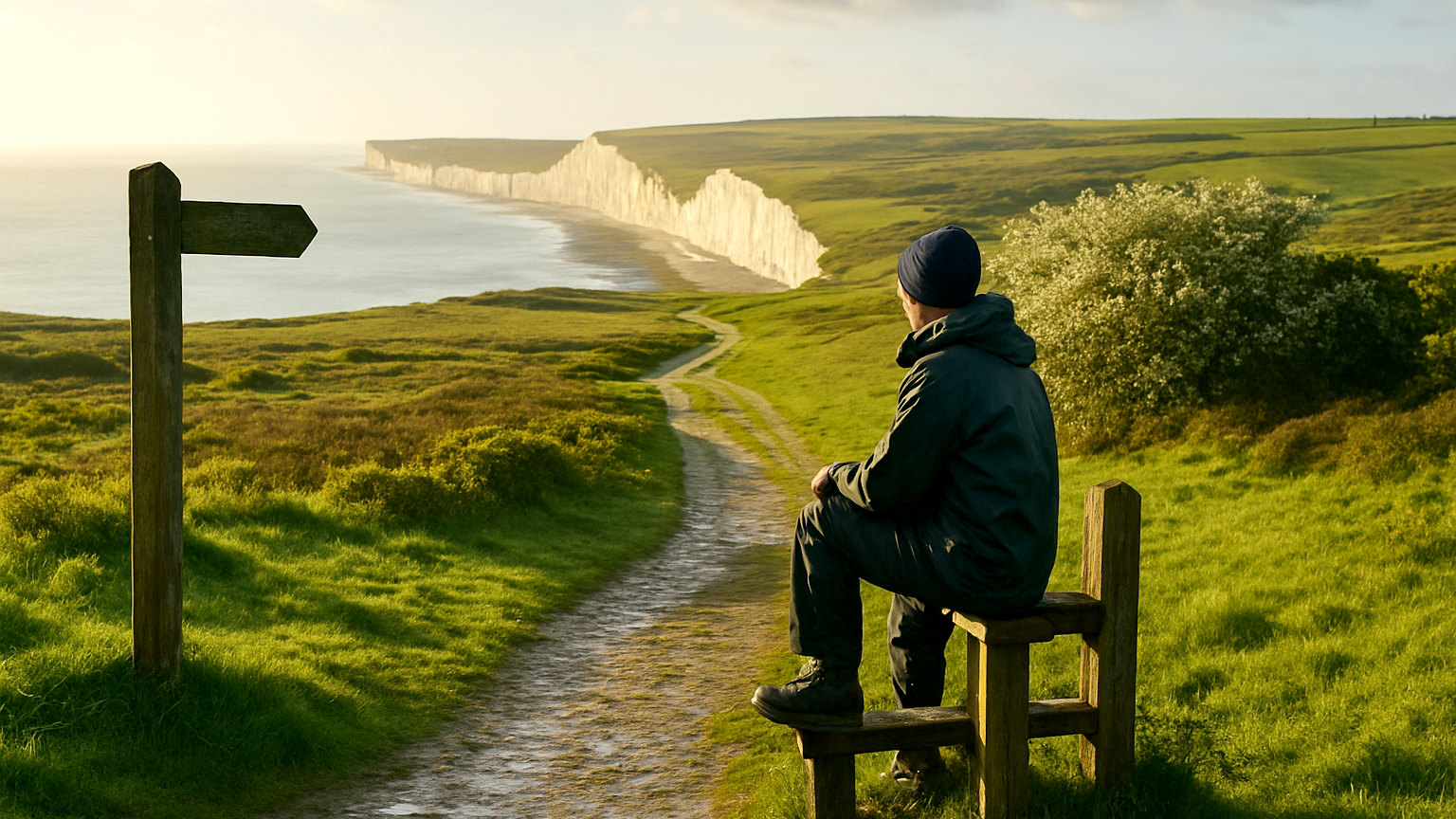
Exmoor and the North York Moors both meet the sea dramatically, with some of the highest cliffs in England on the Exmoor coast. The South Downs reaches the sea at the Seven Sisters, which is among the most photographed stretches of the English coast.
Dartmoor, by contrast, is entirely inland, which surprises visitors who assume a Devon park means beaches.
What is Dartmoor like compared with the others?
Wilder and less forgiving than its southern location suggests. Dartmoor is high, open moorland with few walls, few paths on the ground and weather that closes in quickly. Navigation skills matter here more than in the Peak or the Downs.
It is also the only place in England with a limited legal right to wild camp, subject to conditions and to areas that change, and parts of it fall within military firing ranges with live firing days that are published in advance and must be checked.
Which is easiest to reach?
The South Downs and the New Forest are the most accessible from London and the south east, both reachable by direct train in around an hour to ninety minutes. The Peak District is the most accessible from the Midlands and the north west.
The Lake District is well connected by rail to Oxenholme and Windermere but requires buses or a car within the park. Northumberland and Exmoor are the hardest to reach without driving.
How should you actually decide?
Start with the maximum walking distance and ascent anyone in your group will tolerate, then with how far you are willing to travel, and only then look at scenery. Choosing a park for its photographs and discovering that everything worth seeing involves a thousand feet of ascent is the most common way these trips go wrong.