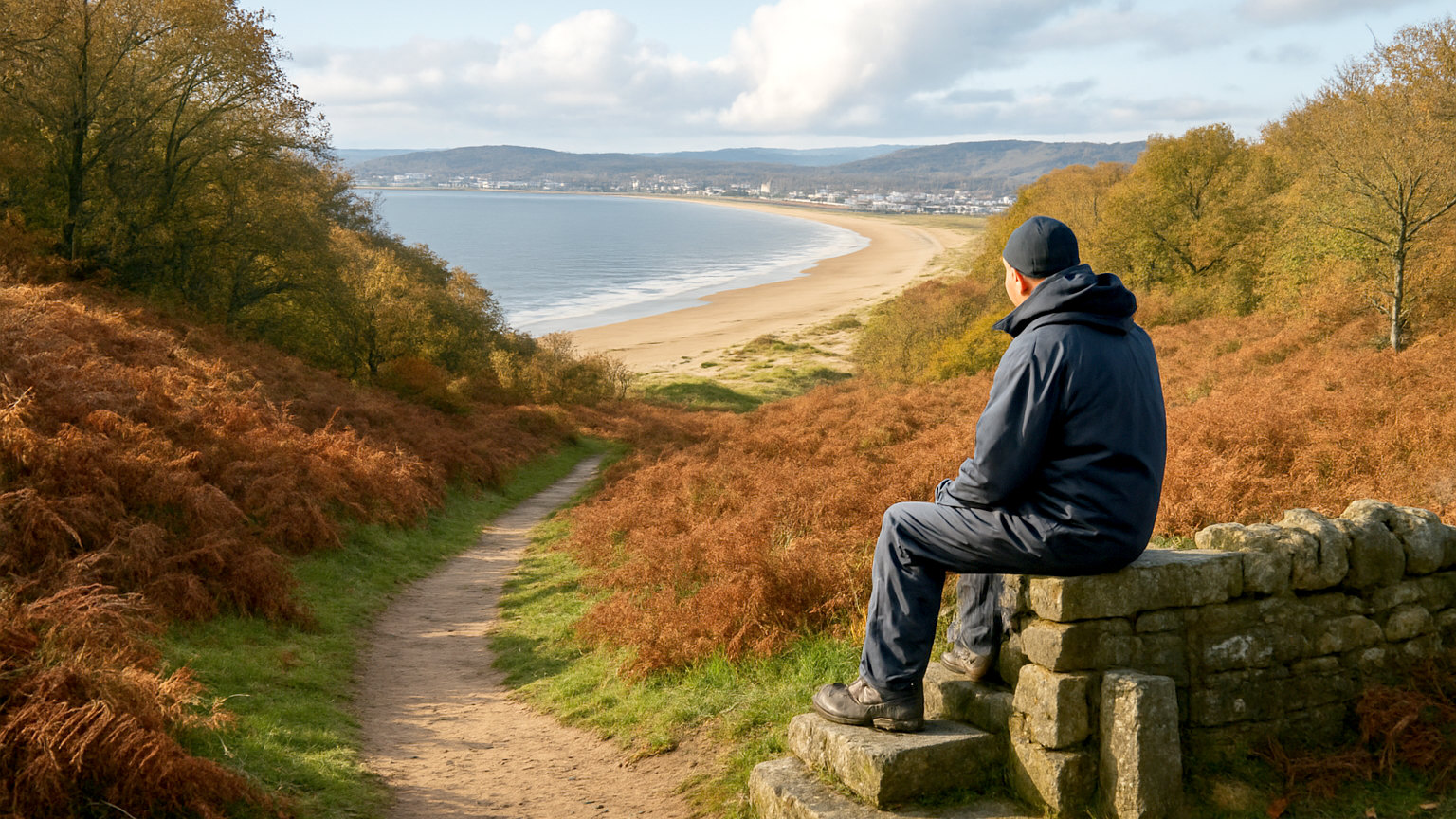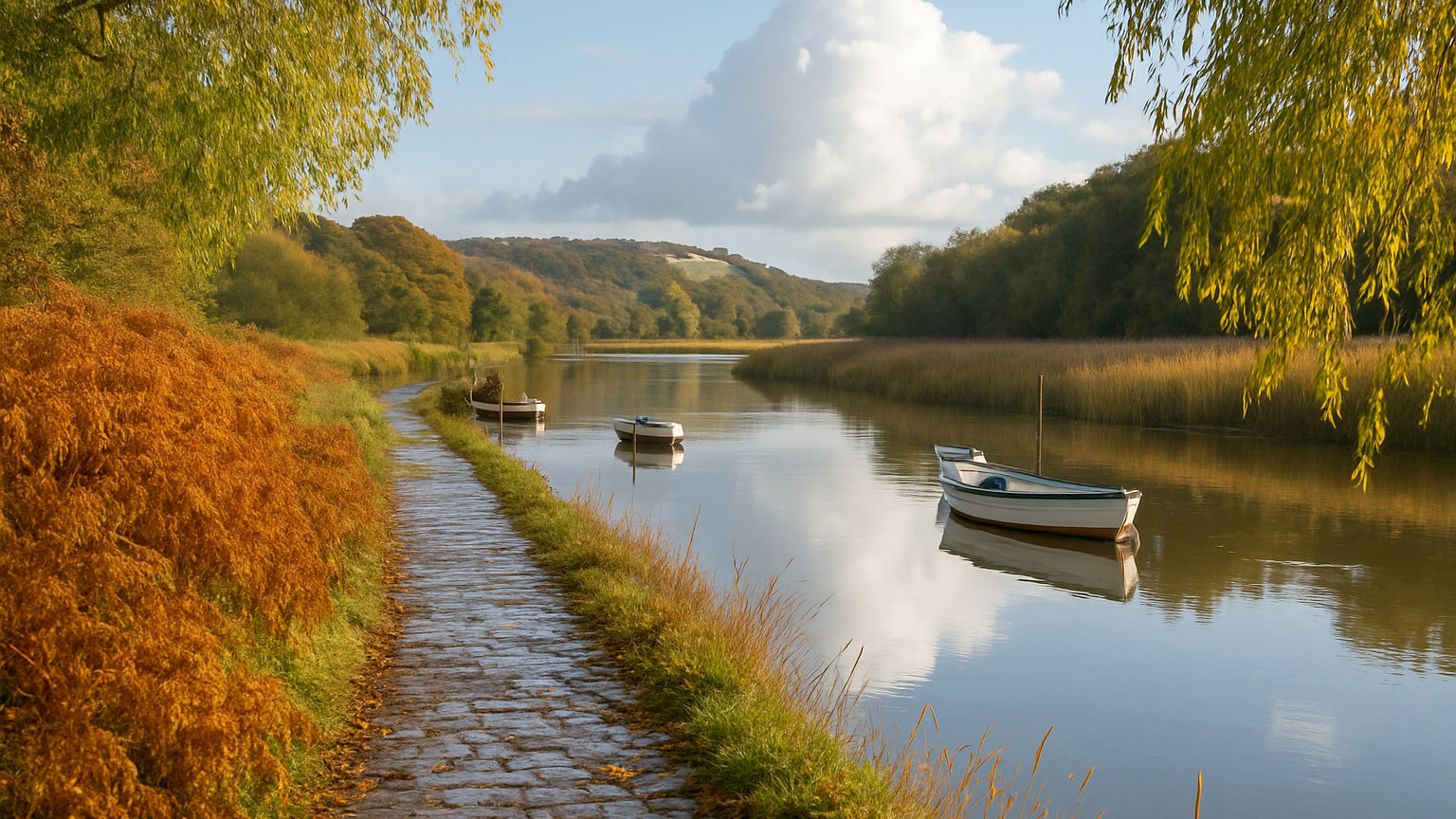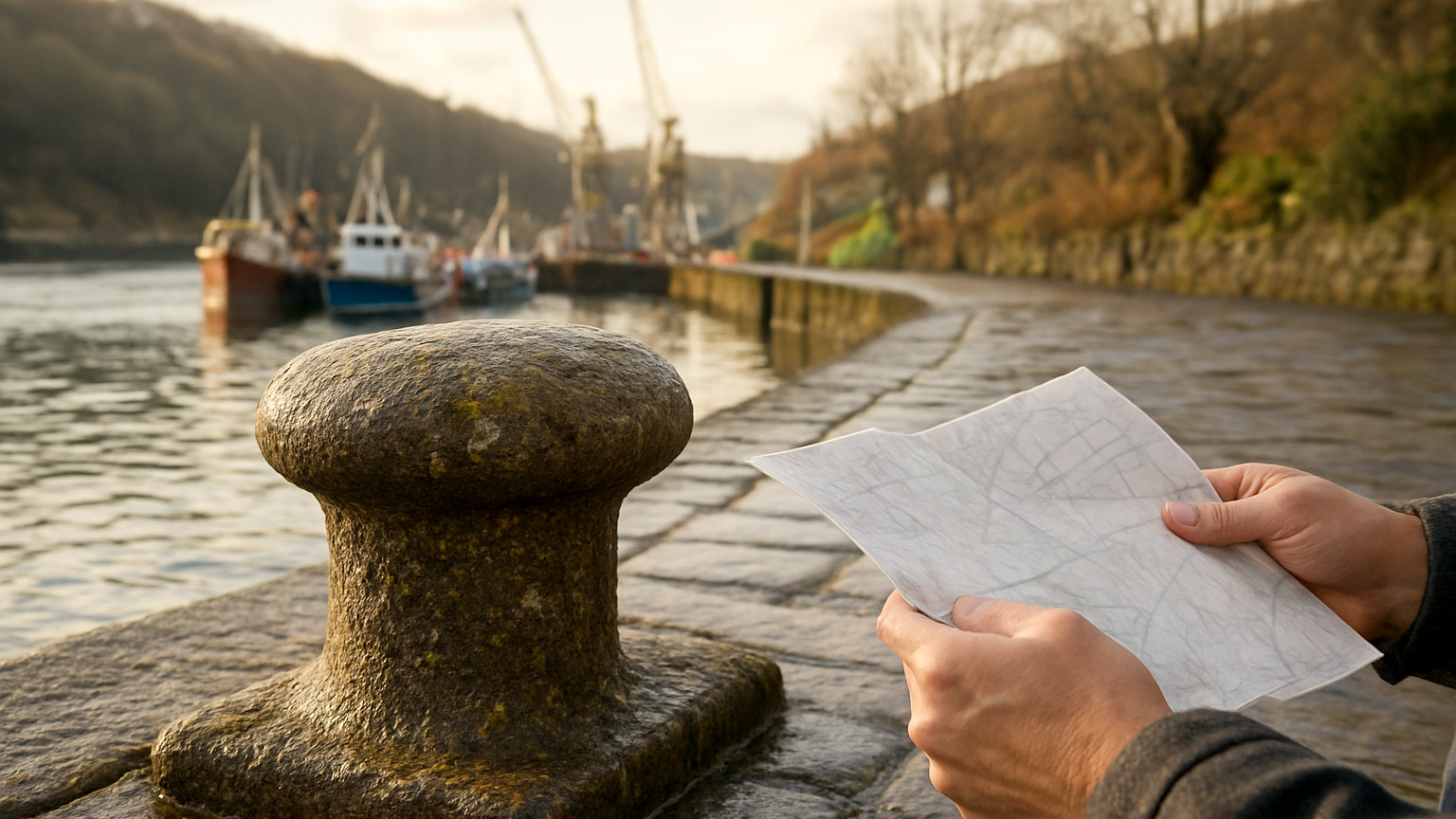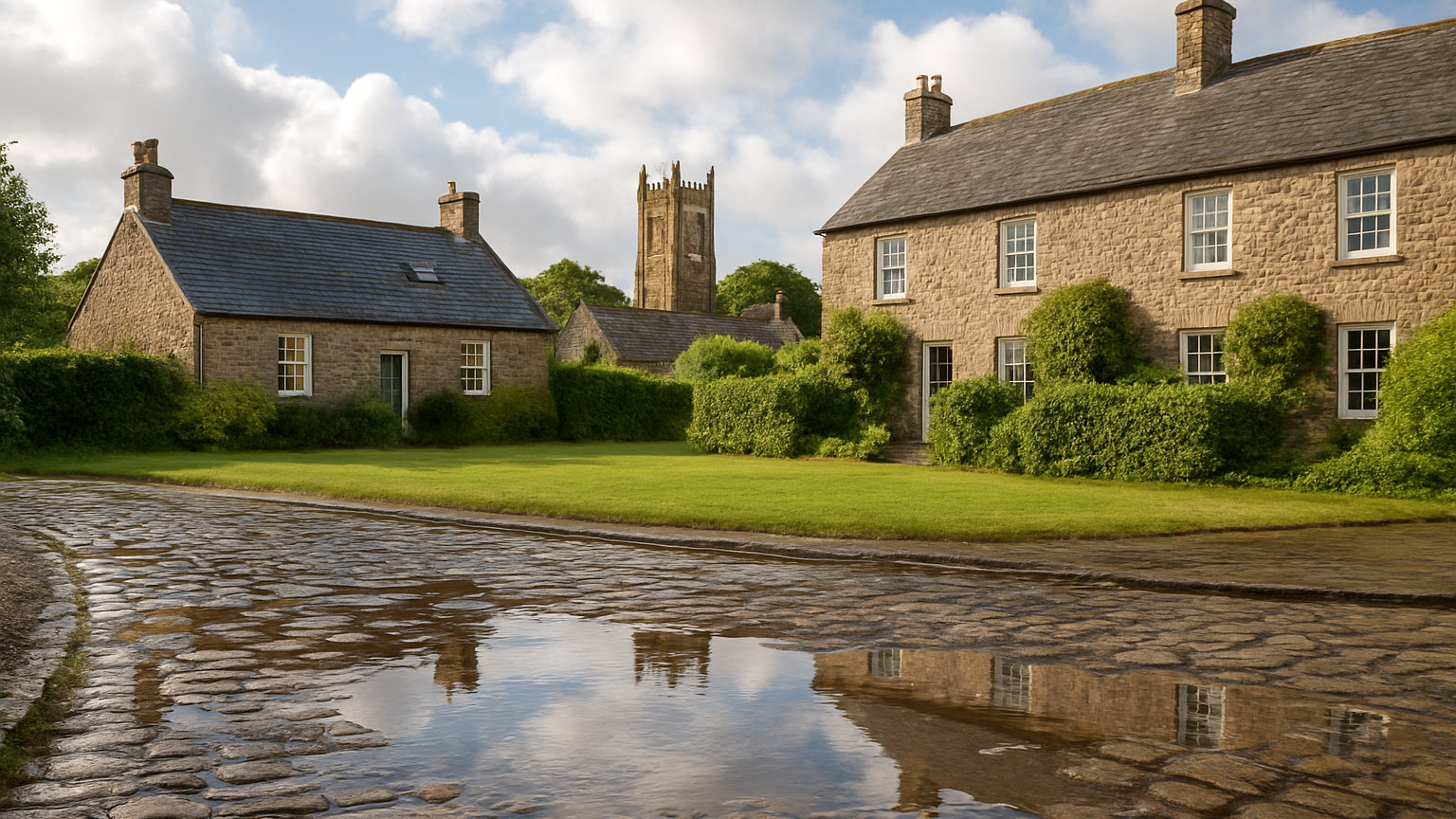
The Channel Islands lie in the Bay of St Malo, closer to France than to England, and are British Crown Dependencies rather than part of the United Kingdom. They have their own governments, laws, tax systems and currencies, a mild climate and a distinctive history, and they are reached easily from southern England.
How do you get there?
By air, with flights to Jersey and Guernsey from a wide range of British airports including London, Manchester, Birmingham, Bristol and Southampton, taking around an hour. Alderney has a small airport served from Southampton and Guernsey.
By sea, with ferries from Poole and Portsmouth to Jersey and Guernsey taking between three and eight hours depending on the vessel and route. Services also run to St Malo in France, which makes combining the islands with Brittany or Normandy straightforward.
Do you need a passport?
British and Irish citizens travelling from the United Kingdom are within the Common Travel Area, but carriers require photographic identification and a passport is the simplest thing to carry.
The islands are not in the United Kingdom and not in the European Union, and they operate their own immigration arrangements. Other nationalities should check the requirements for the specific island before booking, particularly if arriving from France.
What currency do they use?
Jersey and Guernsey issue their own pounds at parity with sterling, and Bank of England notes circulate freely alongside them. Cards are accepted everywhere.
Jersey and Guernsey notes are not legal tender in the United Kingdom and shops there usually refuse them, so spend them before leaving or change them at a bank. The islands have their own tax systems, and value added tax does not apply in the same way, which affects prices on some goods.
How do the islands differ?
Jersey is the largest and busiest, with the widest range of beaches, restaurants and accommodation, a substantial finance sector and a lively capital at St Helier. It has the biggest tidal range in Europe, exposing vast areas of rock and sand twice a day.
Guernsey is smaller and quieter, with cliff paths along the south coast and a handsome harbour town at St Peter Port. Alderney is remote and sparsely populated. Herm is car free and tiny, reached by boat from Guernsey.
What is Sark like?
Unique. Sark has no cars, with transport by bicycle, tractor and horse drawn carriage, and no street lighting, which earned it designation as the world's first dark sky island.
It is reached by boat from Guernsey, and the arrival involves a steep climb or a tractor drawn bus from the harbour. It governed itself under a feudal system until reforms in the twenty first century and remains among the most unusual places in these islands.
What is the occupation history?
The Channel Islands were the only part of the British Isles occupied by German forces during the Second World War, from 1940 until 1945. The occupation is a defining part of island identity and is extensively documented.
Fortifications remain everywhere, including bunkers, towers and gun emplacements built into the cliffs. The Jersey War Tunnels and the German Underground Hospital in Guernsey, both dug by forced labour, are substantial and sobering sites.
When should you go?
May to September for warm weather and full services, with the islands enjoying more sunshine than almost anywhere in Britain. Spring is particularly good for wildflowers on the cliff paths.
Winter is mild but quiet, with reduced boat services between the islands and some businesses closed. Whenever you go, check inter island boat timetables, since the connections between Guernsey, Herm, Sark and Alderney are seasonal and weather dependent.
How long do you need?
Three or four nights for one island, a week if you intend to visit two or more. Jersey and Guernsey each hold enough for several days, and the smaller islands work as day trips from them rather than as bases. Anyone combining the two should check the inter island ferry timetable first, since sailings are seasonal and less frequent than the mainland routes.