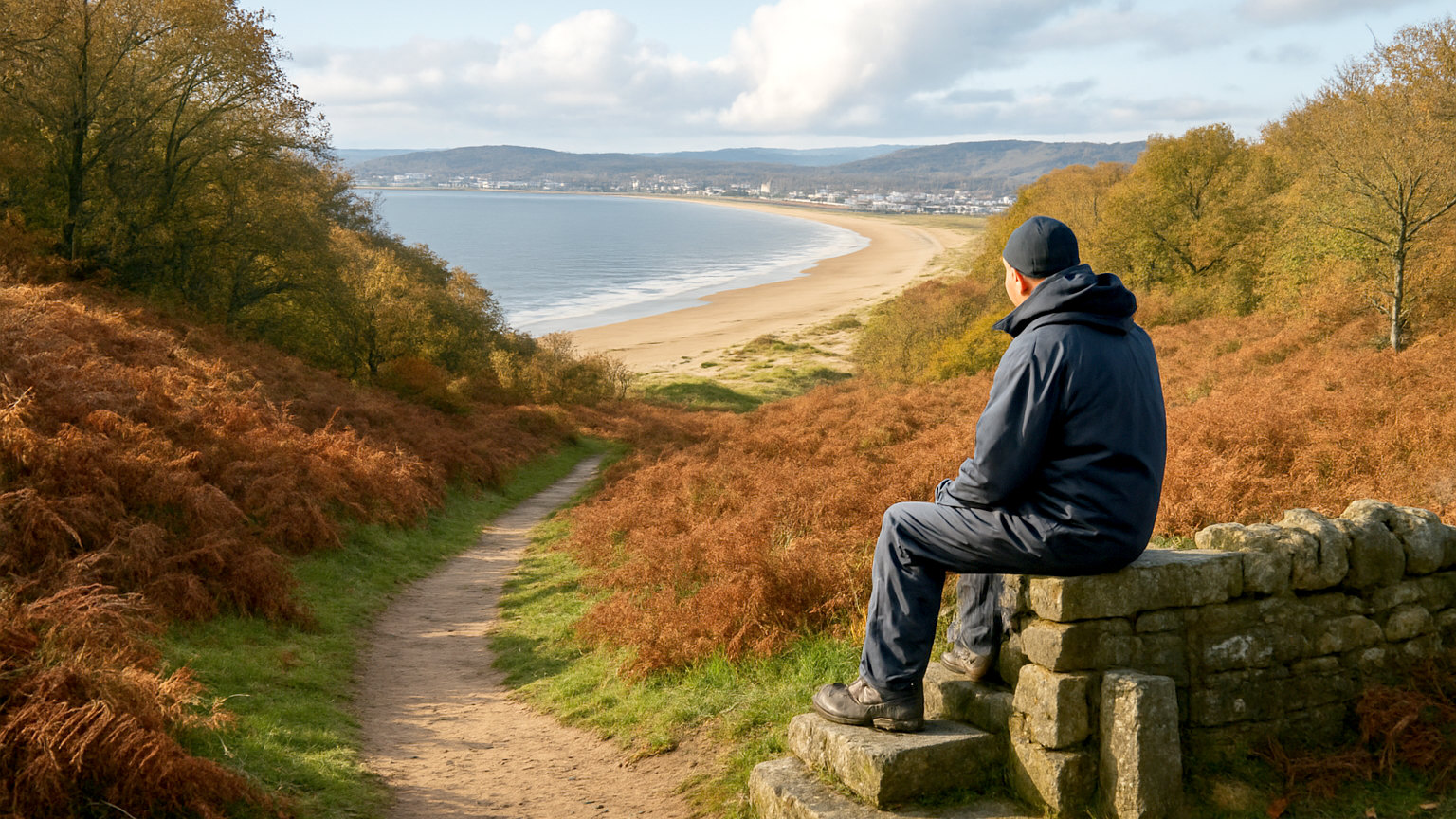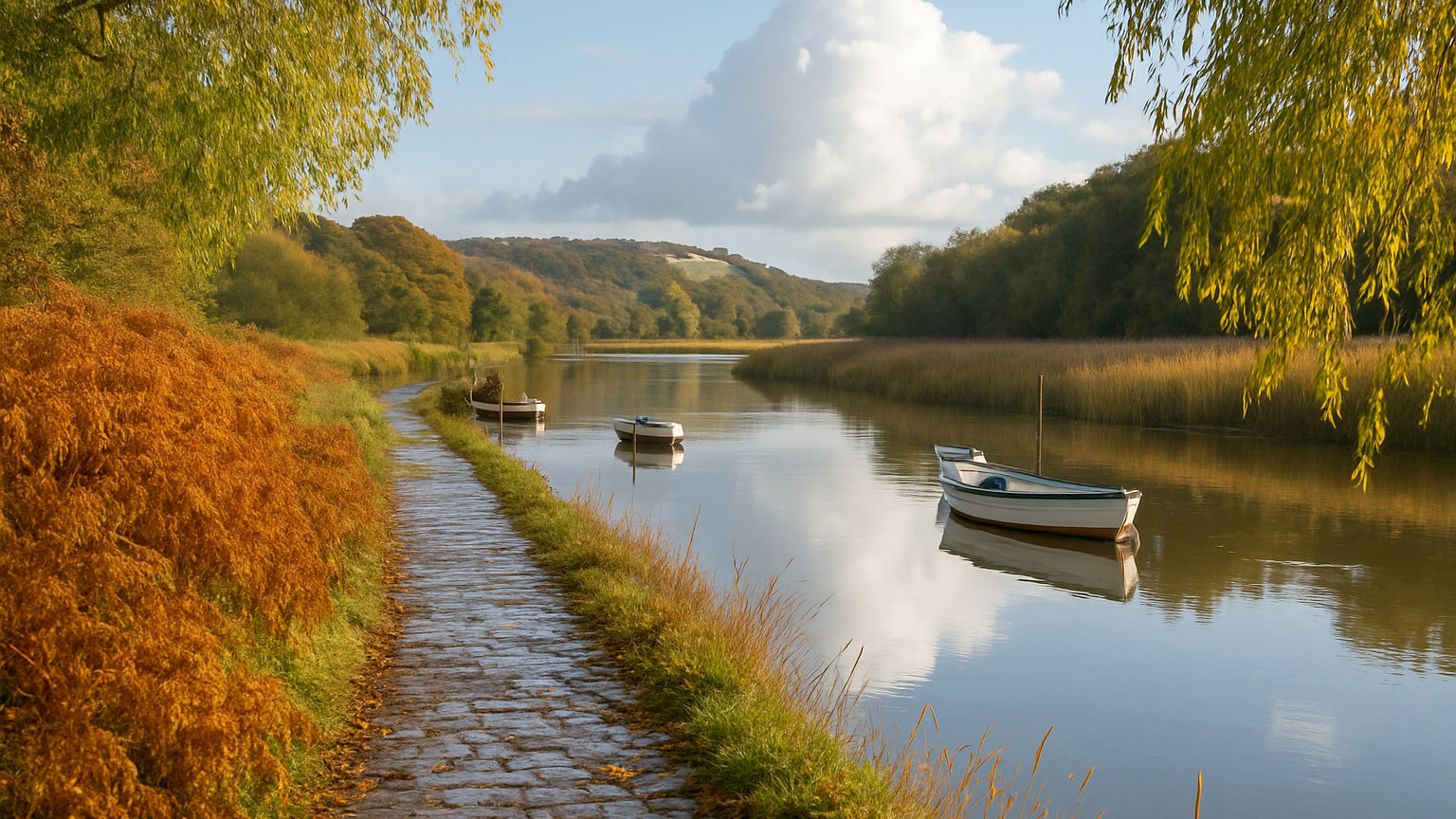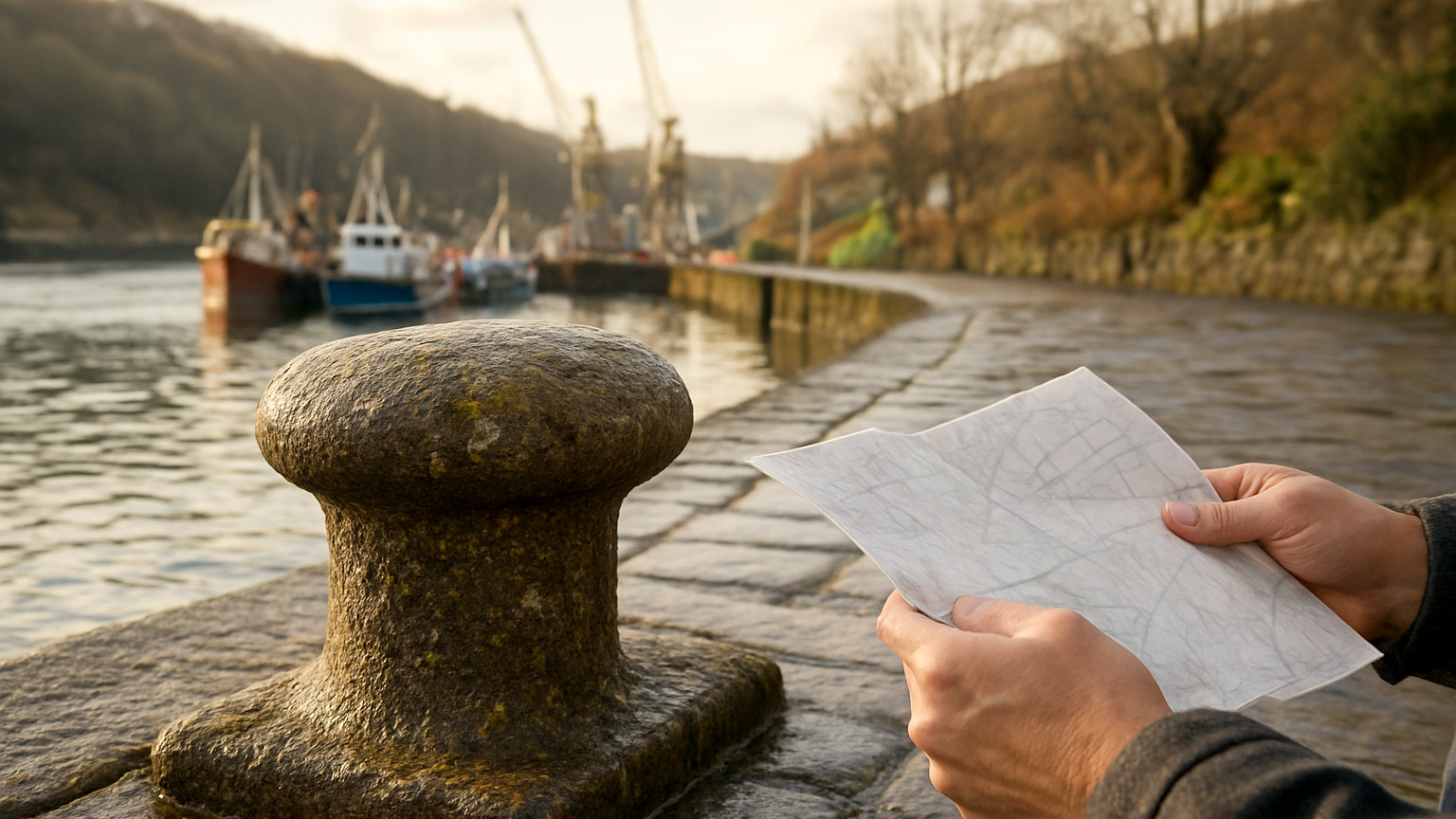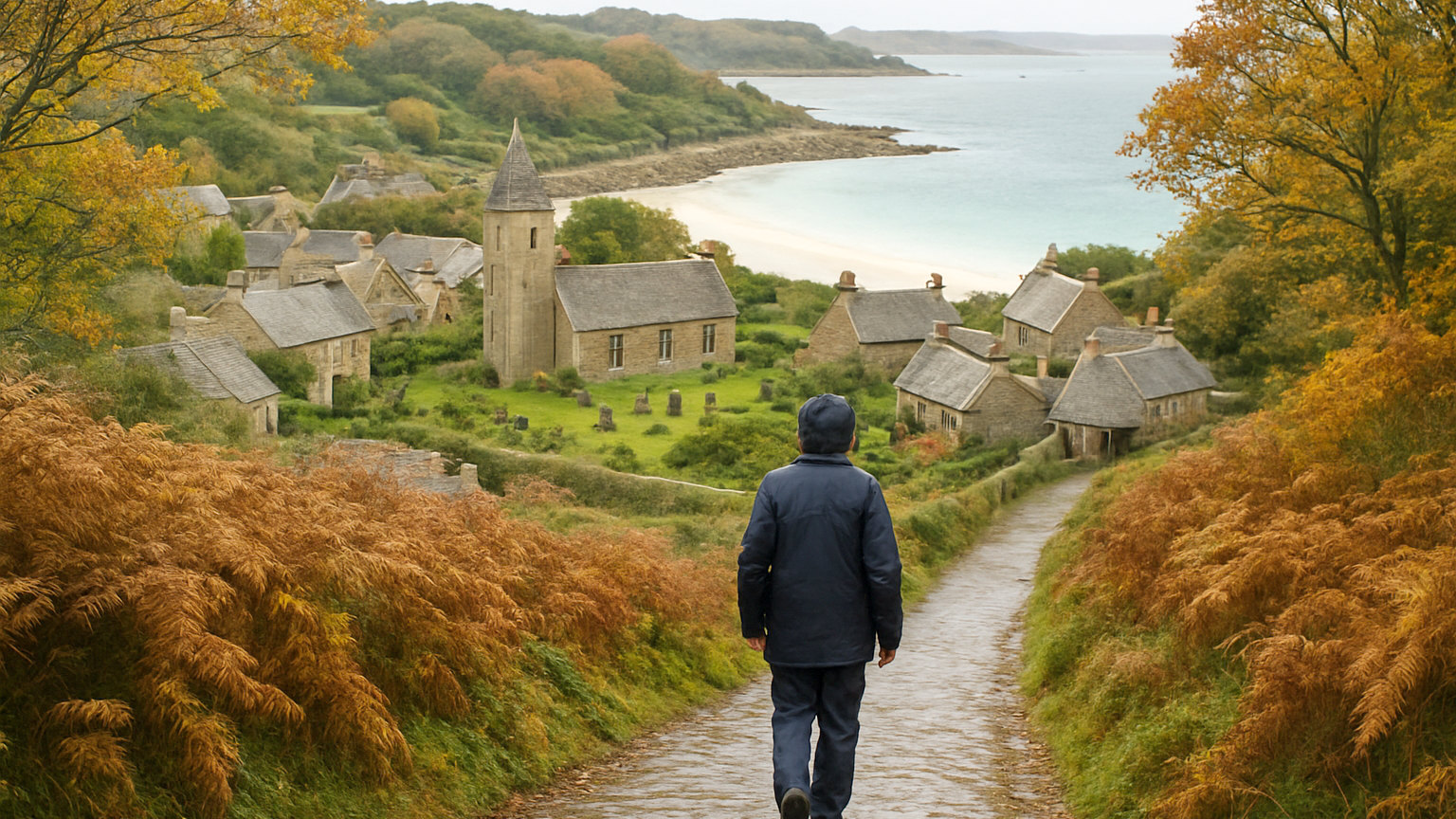
The Isles of Scilly lie twenty eight miles south west of Land's End, an archipelago of five inhabited islands and around a hundred and forty uninhabited ones. They have white sand, clear water, subtropical gardens and no traffic to speak of, and they require more effort and expense to reach than anywhere else in England.
How do you get there?
Two ways. The Scillonian sails from Penzance to St Mary's in around two and three quarter hours, running from spring to autumn only, with no winter passenger ferry. It has a reputation for being lively in a swell.
Alternatively fly, with small aircraft operating from Land's End, Newquay and Exeter, and a seasonal helicopter service from Penzance to St Mary's and Tresco. Flights take twenty minutes from Land's End and are far more comfortable, though they are cancelled in fog, which is common.
What does it cost?
More than a comparable Cornish holiday. Travel is expensive relative to the distance, accommodation is limited and prices reflect it, and everything on the islands has been shipped in.
Against that, there is very little to spend money on once you are there. Most of the pleasure is beaches, walking and boats, and self catering with a supermarket delivery arranged in advance reduces the cost considerably.
What is each island like?
St Mary's is the largest and has the airport, the main settlement at Hugh Town, most of the accommodation and the shops. It is the natural base for a first visit.
Tresco has the Abbey Garden, a collection of subtropical plants that survive here because frost is almost unknown, and is the most manicured island. Bryher is rugged and exposed to the Atlantic on one side. St Martin's has the best beaches. St Agnes is the smallest and quietest.
How do you move between them?
By boat. A network of inter island launches runs daily in season, with departures posted each morning on boards in Hugh Town according to tide and weather. It is a pleasantly informal system and part of the appeal.
Services are much reduced in winter. Cars are barely used and visitors do not bring them; the islands are small enough to walk and bicycles are available on the larger ones.
Why is it so mild?
The Gulf Stream and the surrounding ocean keep temperatures stable, giving the mildest climate in Britain with very rare frost. This allowed the flower industry that once dominated the economy, sending daffodils to the mainland from December.
The same conditions make the Abbey Garden possible, growing plants from South Africa, Australia and South America that would not survive a mainland winter. Spring arrives here weeks before the rest of the country.
When should you go?
May and June for flowers, long days and settled weather before the school holidays. September for warm sea and quieter beaches. July and August are busy by Scilly standards and accommodation books far ahead.
Winter is a different proposition: the ferry does not run, several businesses close and the weather is wild. It suits people who want isolation rather than a holiday.
So is it worth it?
For the right visitor, unreservedly. Anyone who wants beaches without crowds, boat trips, birdwatching, walking and complete quiet will find nowhere else in England like it, and returning visitors are the majority.
Anyone who needs variety, restaurants, indoor entertainment or a guarantee of reaching home on the booked day will find it frustrating. Build a spare day into the return, because fog and swell both cancel services and the islands do not care about your Monday meeting.
What should you book first?
Accommodation, which is limited across all five inhabited islands and goes many months ahead for summer. Then travel, since both the ferry and the flights have finite capacity and the Scillonian does not run in winter at all. Day trips are possible from Penzance in season but give you only a few hours ashore, which barely samples the place.