The Isle of Wight sits a few miles off the Hampshire coast and holds an unusual amount within twenty three miles: chalk cliffs and stacks, one of the richest dinosaur fossil beds in Europe, Victorian resorts, a royal residence and a coastal path around the whole thing.
What are the Needles?
Three chalk stacks extending from the western tip of the island, with a lighthouse on the outermost and a former rocket testing site on the headland above.
A chairlift descends to the coloured sand bay beneath, and boat trips run round the stacks. It is the island's defining image.
What is the Military Road?
The coast road along the south west, running above the cliffs with views of the Needles and the down, built originally for defence.
Sections have been realigned because of coastal erosion and more will be required. It is among the finest short coastal drives in England.
What is Osborne House?
The seaside residence built for Queen Victoria and Prince Albert, where she spent a great deal of her later life and where she died.
The house, the terraced gardens, a private beach with her bathing machine and a Swiss chalet built for the royal children are all open.
Where are the fossils?
The south west coast around Compton and Brook, where dinosaur remains erode continuously from the cliffs and can be found loose on the beach.
Guided fossil walks run regularly and are the reliable way to find anything. Do not hammer the cliffs, which are unstable and actively eroding.
What are the towns like?
Ryde, Sandown and Shanklin are traditional resorts on the east coast with sandy beaches and piers. Ventnor on the south coast has a distinct microclimate and a steep terraced setting.
Cowes is the sailing centre, holding a regatta each August that fills the island entirely, and Yarmouth in the west is small and attractive.
What about walking?
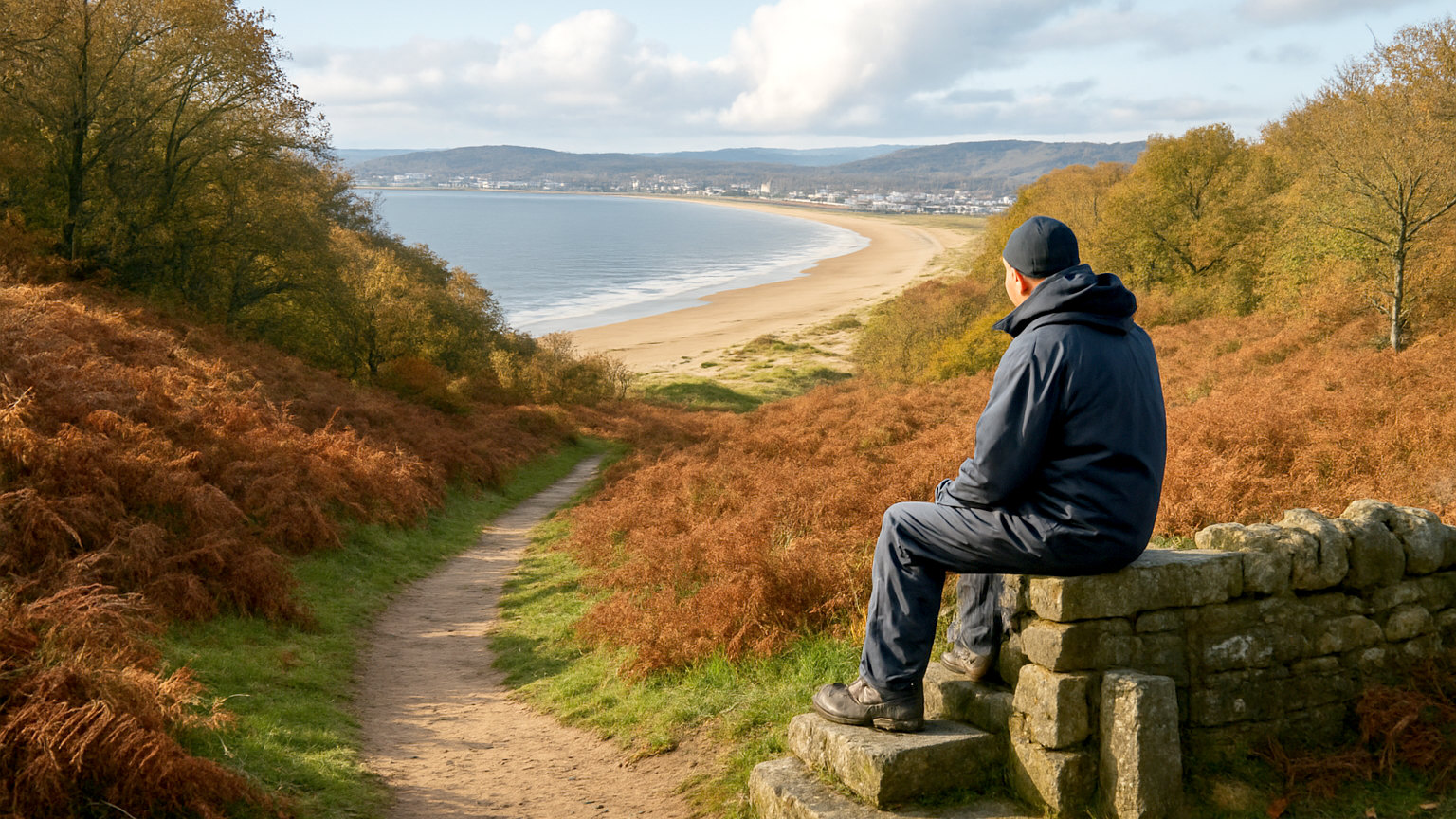
A coastal path runs the whole way round, around seventy miles, and the island has an exceptional density of footpaths inland across the chalk downs.
A walking festival is held each spring and is among the largest in Britain.
How do you get there?
By ferry from Portsmouth, Southampton and Lymington, with crossings of ten to forty five minutes depending on the route and whether you take a vehicle.
Foot passenger fares are a fraction of vehicle fares, and the island has buses and a short railway line, so a car is not essential.
Do you need a car?
Helpful but not necessary. Buses serve the main towns and the south coast, and a former underground train fleet runs the line from Ryde to Shanklin.
Cycling suits the island well, and the ferry carries bikes cheaply.
When should you go?
May, June and September for weather and space. August is busy, and the sailing regatta week fills accommodation across the island at raised prices.
Winter is quiet with several attractions closed, though the coast path and the downs remain open.
How long do you need?
Three or four nights. The island looks small and takes longer to get around than expected, since the roads are slow and the interest is spread across it.
A day trip covers one corner and misses most of what makes it worth going.
What about the festivals?
The island holds a major music festival in June and a sailing regatta in early August, both of which fill accommodation across the island and raise prices substantially. Ferry crossings also book out. Check the dates before planning a trip, since the difference between a festival weekend and the week either side is considerable.
One last practicality: vehicle ferry fares are several times the foot passenger rate and vary enormously by sailing time. If you can manage without a car, the saving is substantial and the island's buses cover the main towns and beaches.
A final suggestion: the island is at its best out of season. October on the coast path, with the cliffs to yourself and the ferries half empty, is a considerably better experience than August at any price.