Mull is the second largest of the Inner Hebrides, reached from Oban in about fifty minutes, and it manages to combine several things that are usually spread across different parts of Scotland: a mountain, a picture postcard town, world class wildlife and easy access to two of the most remarkable small islands in Europe.
What is Tobermory like?
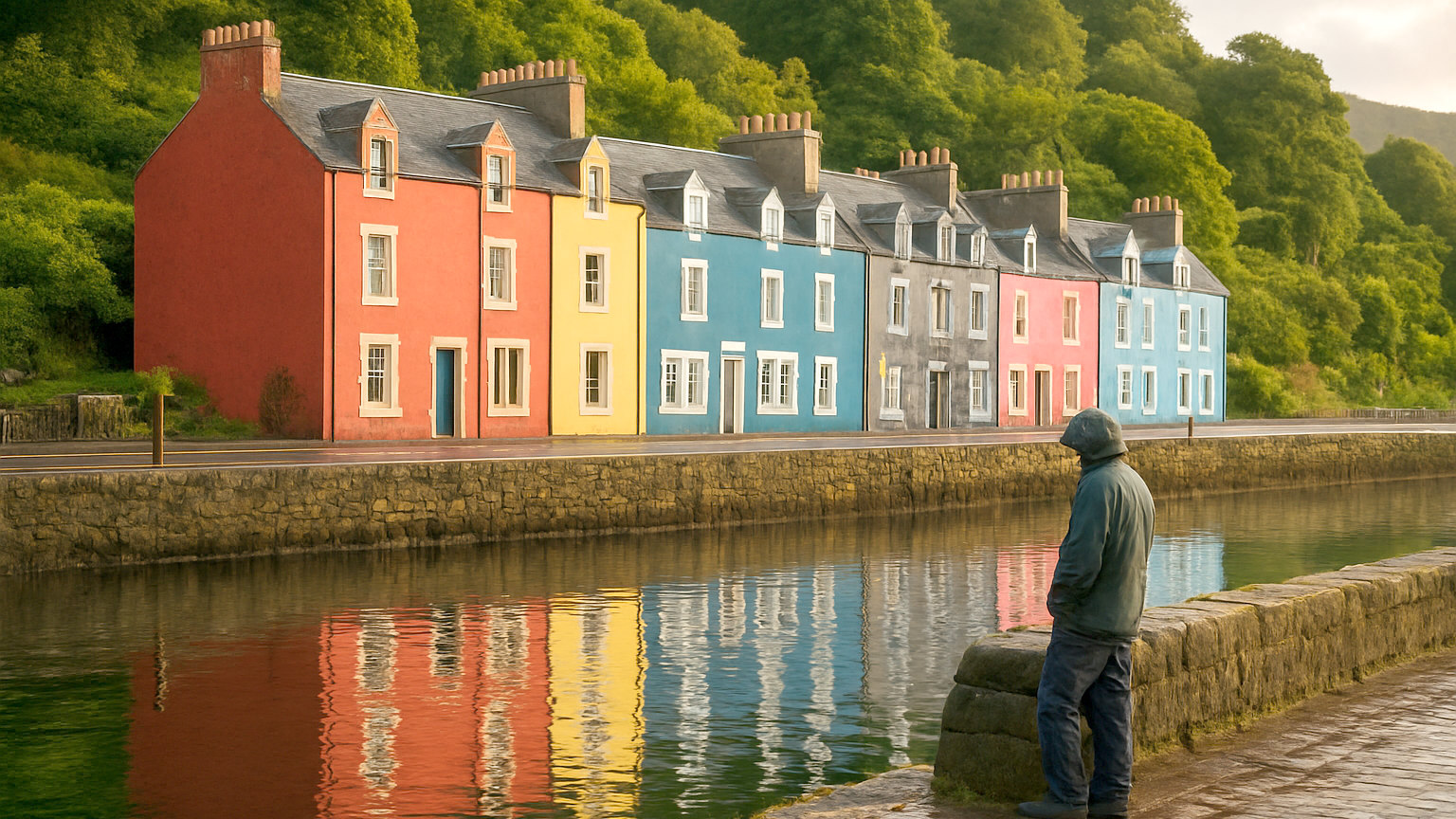
A crescent of brightly painted buildings around a sheltered harbour on the north east coast, built as a fishing station in the late eighteenth century. It is the most photographed village in the Hebrides and familiar to a generation of British children from a television series filmed there.
It has the island's best concentration of shops, restaurants, a distillery and an aquarium, and it is the natural base for a first visit, though it sits well away from the southern and western parts of the island.
How do you visit Iona?
By driving or taking a bus across Mull to Fionnphort at the south western tip, then a ten minute passenger ferry. The drive from Craignure takes well over an hour on a road that is single track for much of its length, so allow a full day.
Iona has been a place of pilgrimage since Columba founded a monastery there in the sixth century, and the restored abbey, the burial ground of early Scottish kings and the white sand beaches make it one of the most atmospheric places in Scotland.
What is Staffa?
An uninhabited island of hexagonal basalt columns, formed by the same lava flow as the Giant's Causeway in Antrim. Fingal's Cave, a sea cave lined with columns, inspired Mendelssohn's overture after he visited in 1829.
Boat trips run from Fionnphort, Iona and Ulva Ferry between spring and autumn. Landing depends entirely on the swell and is frequently not possible even when the weather looks fine, so treat it as a bonus rather than a fixture. Puffins nest there from April to early August.
What wildlife can you see?
Mull is among the best places in Britain for white tailed eagles, reintroduced to Scotland and now breeding on the island, along with golden eagles, otters along the shoreline and hen harriers over the moors.
Boat trips from Tobermory and elsewhere look for minke whales, basking sharks, dolphins and porpoises through the summer. Several operators run wildlife tours with guides who know where the eagles nest, which improves the odds considerably over looking on your own.
What is the walking like?
Ben More is the only Munro on any island other than Skye, at just over three thousand feet, and it is a serious ascent from sea level with a rocky final section. The views on a clear day extend across the whole Hebrides.
Lower level walking includes the coast at Carsaig with its arches, the abandoned village at Crackaig, and the Ardmeanach peninsula where a fossil tree stands in a cliff, reached by a long and rough walk that should be timed against the tide.
How long do you need?
Four nights minimum. Mull is large, the roads are single track and slow, and Iona alone takes a full day from Tobermory. A week allows the wildlife, the mountain, Iona, Staffa and the quieter south without rushing.
Many visitors allow two nights and spend most of them driving. The island is around thirty miles across and takes far longer to cross than that suggests.
Where should you stay?
Tobermory for facilities and atmosphere, Salen or Craignure for a central position and shorter drives, and Fionnphort or Bunessan for anyone focused on Iona and Staffa.
Accommodation is limited relative to demand and books far ahead for summer, as do vehicle spaces on the Oban ferry. Both should be arranged before anything else.
When is the best time to go?
May and June for long daylight, wildlife activity and the driest weather, and September for autumn colour and quieter roads. July and August are busier and wetter, and the midges are at their worst in sheltered spots. Winter is beautiful and very quiet, though boat trips to Staffa do not run and several businesses in Tobermory close for the season.