The Isle of Man sits in the middle of the Irish Sea, roughly equidistant from England, Scotland, Wales and Ireland. It is not part of the United Kingdom but a self governing Crown Dependency with its own parliament, laws and currency, and that independence gives it a character distinct from anywhere on the neighbouring islands.
What makes it different from the UK?
Tynwald, the Manx parliament, claims to be the oldest continuous parliamentary body in the world, dating from Norse rule over a thousand years ago. Each July it meets in the open air at St John's in a ceremony where new laws are proclaimed in English and Manx.
The island issues its own banknotes and coins at parity with sterling. These circulate freely on the island but are not legal tender in Britain and shops there frequently refuse them, so spend them before you leave.
What are the railways like?
Exceptional, and the main reason many visitors come. A Victorian steam railway runs south from Douglas to Port Erin, an electric tramway runs north to Ramsey, and a separate mountain railway climbs Snaefell, the island's only mountain.
Douglas also has a horse drawn tram along the promenade. Combined rover tickets cover the network, and using the railways rather than a car is a genuinely practical way to see the island as well as an attraction in itself.
What happens during the TT?
The Isle of Man TT is a motorcycle road race held over a fortnight in late May and early June on a thirty seven mile course of closed public roads. It is among the most famous and most dangerous motorsport events in the world.
During race weeks the island fills completely, accommodation and ferries book a year ahead and prices rise sharply, and the mountain road is closed for periods. It is either the reason to visit or the fortnight to avoid, and there is little middle ground.
What is Snaefell like?
A little over two thousand feet, and the summit is reached either on foot or by the electric mountain railway from Laxey. On a clear day the view is said to take in England, Scotland, Wales, Ireland and the Isle of Man itself.
At Laxey below, the Great Laxey Wheel is the largest surviving working waterwheel in the world, built to pump water from the lead mines and still turning.
What else is worth seeing?
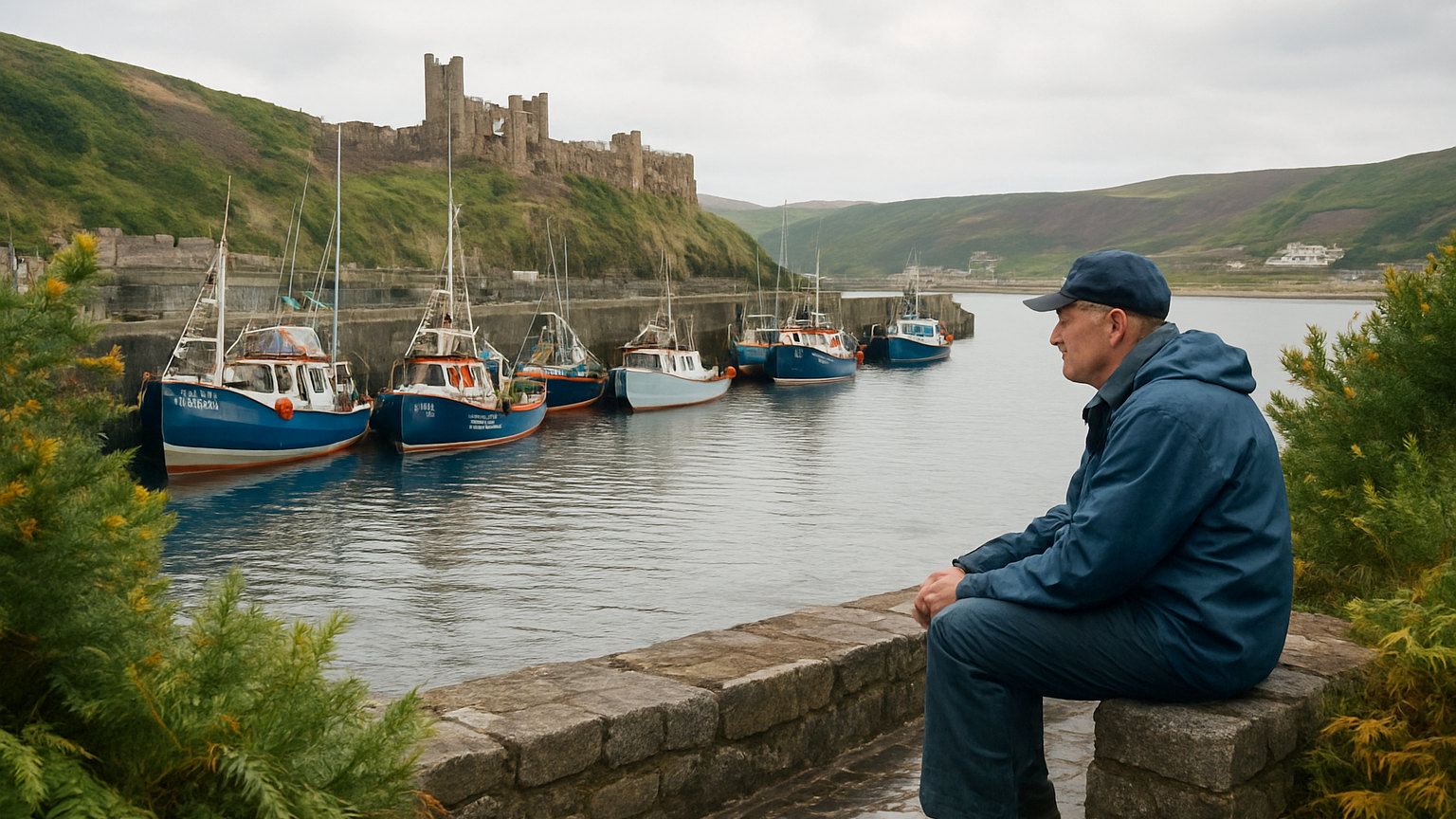
Peel on the west coast, with a red sandstone castle on St Patrick's Isle, a working kipper smokehouse and the best sunsets on the island. Castle Rushen in Castletown, one of the best preserved medieval castles in these islands.
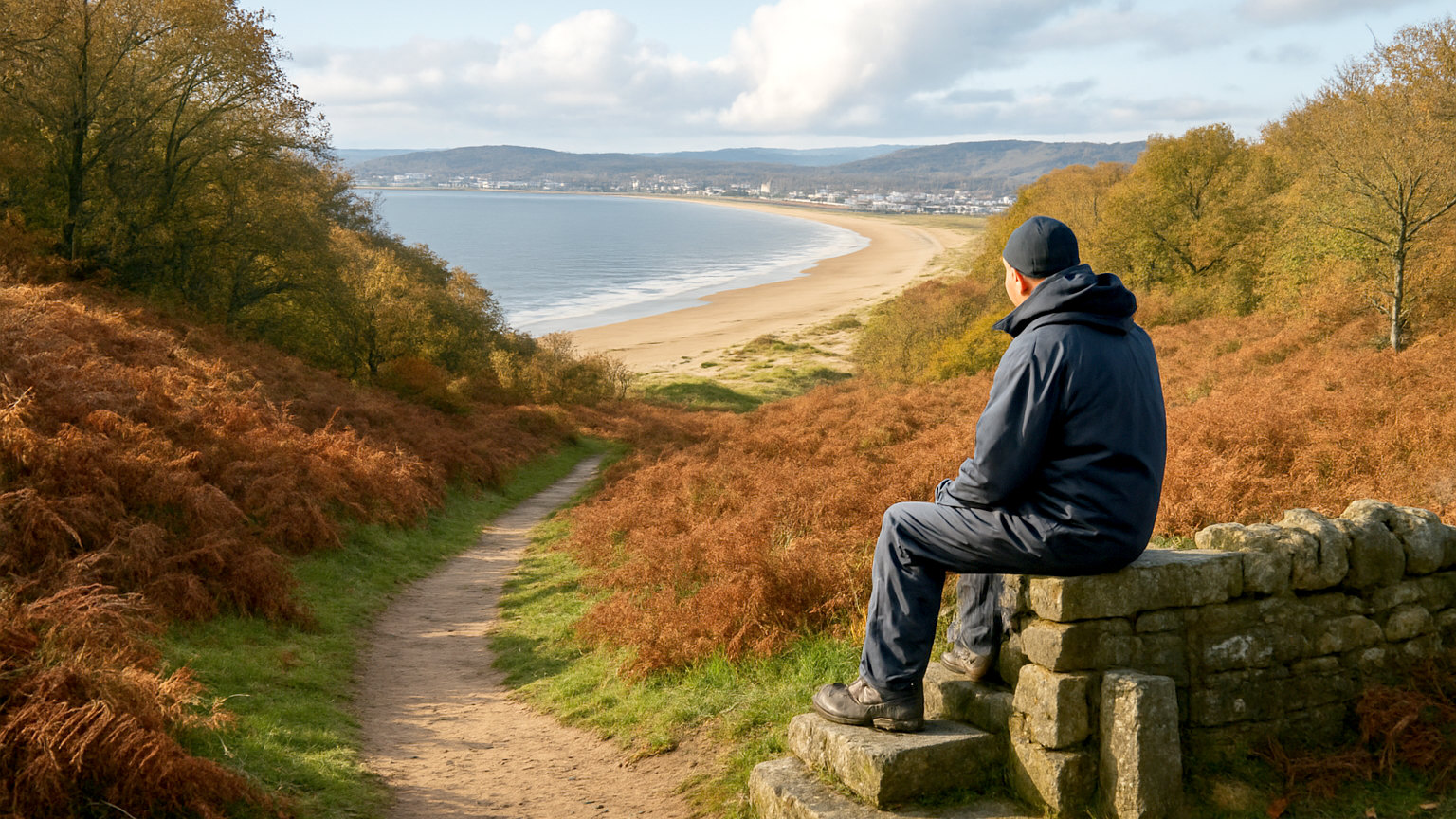
The Calf of Man, a bird observatory on an islet off the southern tip reached by boat, and the coastal footpath, the Raad ny Foillan, which runs around the entire island for around a hundred miles.
How do you get there?
Ferries from Heysham and Liverpool, with seasonal sailings from Belfast and Dublin, taking between two and a half and four hours. Flights run from a wide range of British and Irish airports to Ronaldsway near Castletown.
Photographic identification is required despite it being a domestic style journey. Travel between the island and the United Kingdom and Ireland falls within the Common Travel Area for British and Irish citizens; other nationalities should check the island's own entry requirements.
Who does it suit?
Anyone interested in railways, motorsport, coastal walking or somewhere that feels familiar and foreign at once. It is compact enough for a long weekend and varied enough for a week, with glens, cliffs, beaches and moorland within a thirty mile island.
Outside TT fortnight it is quiet, inexpensive and rarely crowded, which for most visitors is the better version of the place.
How long do you need?
Three or four nights covers the island comfortably, taking in the railways, Peel, Castletown and a day walking a section of the coastal path. A week suits anyone wanting to walk the full circuit or explore the glens, of which there are seventeen designated national glens, all free to enter and most within a short drive of the main towns.