Guernsey is the second largest Channel Island, quieter and less developed than Jersey, with a handsome harbour capital and a south coast of cliffs and hidden bays. Like its neighbour it is a Crown Dependency rather than part of the United Kingdom.
What is St Peter Port like?
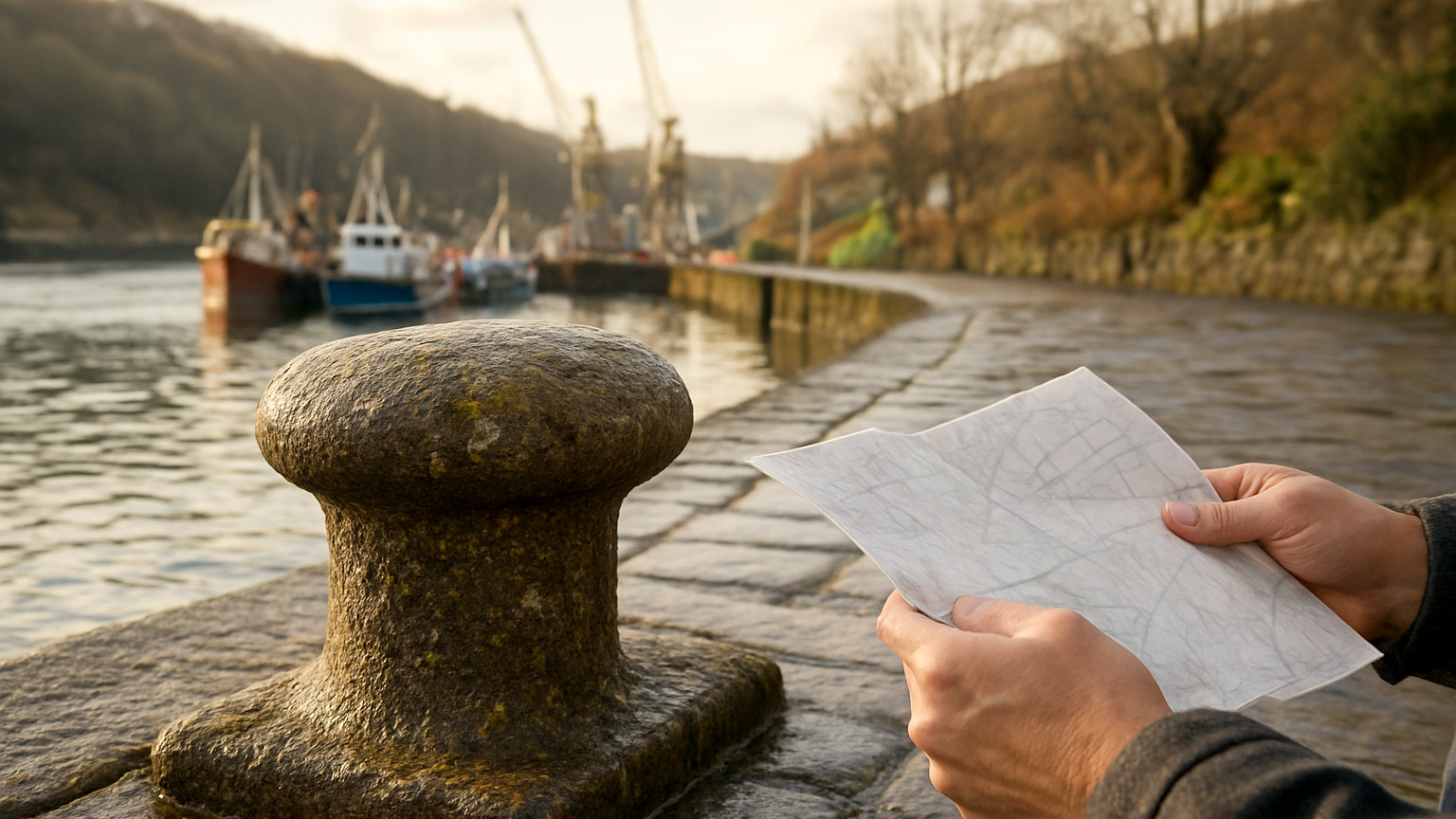
Among the more attractive small harbour towns in these islands, built in tiers up a hillside above a marina, with cobbled streets, Regency buildings and a castle on an islet in the harbour.
It is compact, walkable and steep, and the view of it from the sea on arrival is the best introduction.
What is Hauteville House?
The home of Victor Hugo during his years of exile from France, decorated by him throughout in an extraordinary and idiosyncratic style using carved furniture and tapestry.
He wrote several major works here, and the house is preserved and open, having been restored in recent years.
What are the cliff paths?
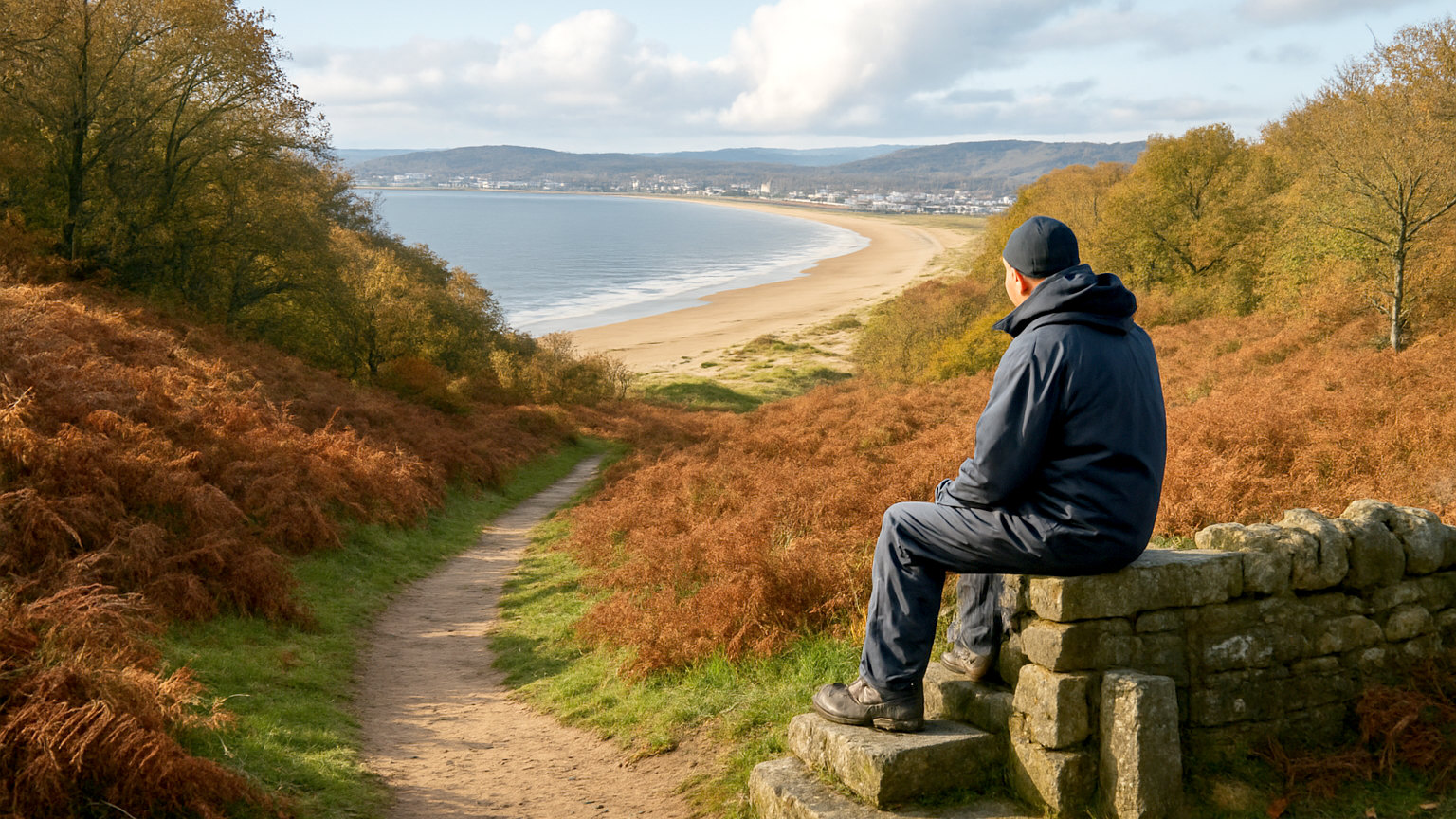
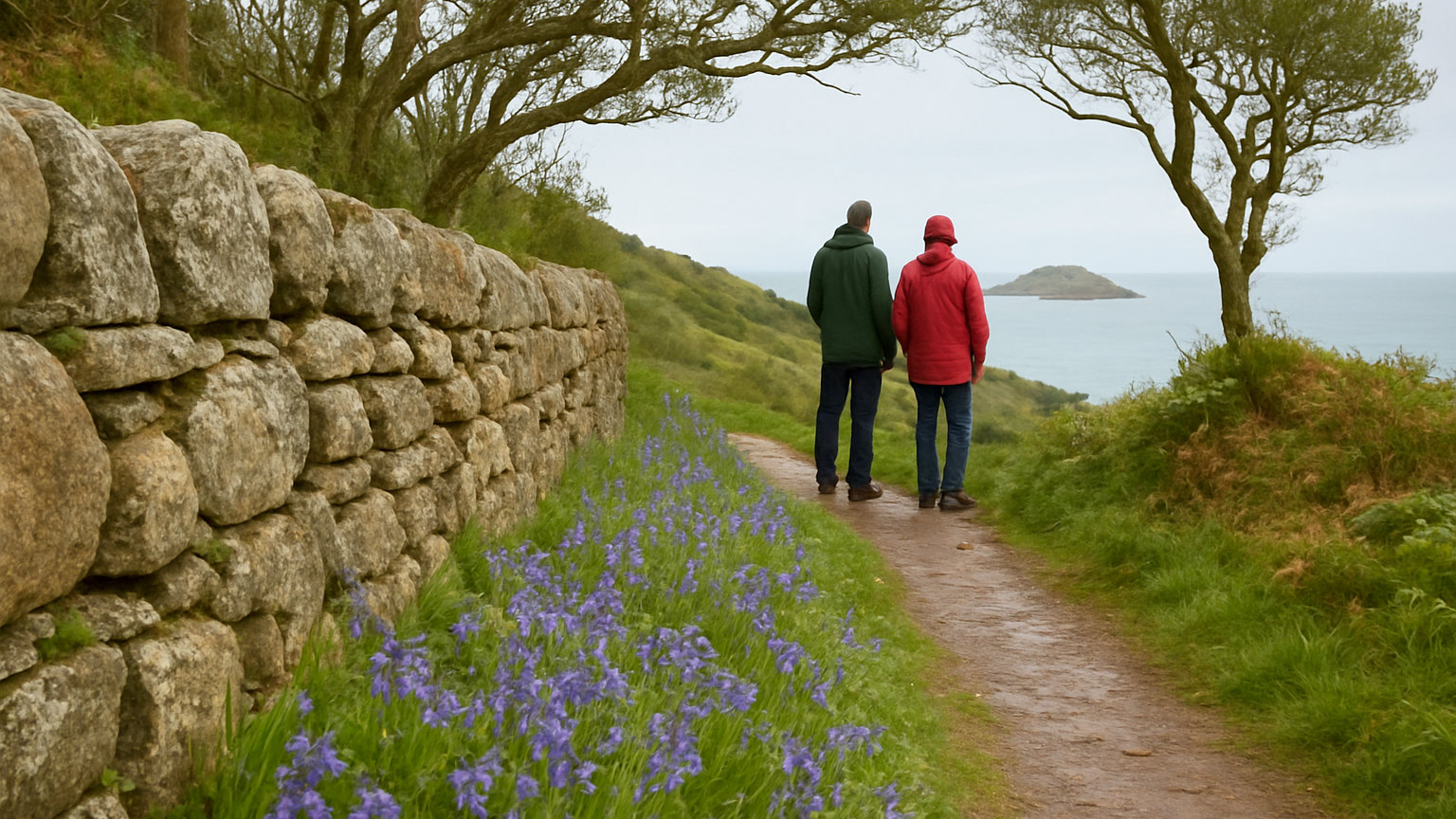
A continuous path along the entire south coast, running for around twenty miles above wooded valleys and small bays, with steep descents to beaches reached no other way.
It is the best thing on the island and is walkable in sections with buses back, which makes it accessible without a car.
What about the occupation?
The island was occupied from 1940 to 1945 and the fortifications remain, including gun emplacements, an observation tower and a military underground hospital dug by forced labour.
A museum covers the period, including the deportations and the near starvation of the population in the final winter before a relief ship arrived.
What are the other islands?
Herm, twenty minutes by boat, with no cars, a shell beach and a population in the fifties, which makes an excellent day trip.
Sark, further out, and Alderney to the north, which has its own airport and a substantial concentration of Victorian and wartime fortifications.
What are the beaches like?
Numerous and varied, with long sands on the west coast facing the Atlantic swell and small sheltered bays on the south and east.
The tidal range is large, and several bays are transformed between high and low water.
How do you get there?
By air from several British airports, or by ferry from Poole and Portsmouth, with connections onward to Jersey, Herm, Sark and France.
Sailings are weather dependent and the smaller inter island boats are cancelled in rough conditions.
What should you know practically?
The island uses its own currency at parity with sterling, which is not accepted in Britain. Identification is required for travel and requirements vary by carrier.
Mobile roaming may not be included in British allowances. Speed limits are low across the island and the lanes are narrow.
What should you eat?
Seafood, particularly crab, lobster and scallops, and Guernsey dairy from the island's cattle, which produce notably rich milk.
St Peter Port holds most of the restaurants, with several along the harbour.
How long do you need?
Three or four nights, with a day for Herm and time to walk a good section of the cliff path.
Late spring is the best season, with wildflowers on the cliffs and the weather at its most reliable.
What are the roads like?
Narrow, walled and slow, with a low island wide speed limit and a system of lanes where drivers are asked to keep to fifteen miles an hour and give way to walkers. Filter in turn junctions operate at several points and work on courtesy rather than markings. A small car is easier than a large one and a bicycle is easier than either.
One last note: Guernsey is quieter than Jersey in every respect, with fewer visitors, fewer hotels and a slower pace. Anyone choosing between them should treat that as the deciding factor rather than the sights, which are broadly comparable.
A final practicality: inter island boats to Herm, Sark and Alderney are small and weather dependent, and sailings are cancelled at short notice in wind. Build flexibility into any day trip rather than planning it for your last day.