Almost everyone who watches wildlife wants to get closer, and almost every problem in wildlife watching comes from acting on that. Disturbance is not a matter of etiquette; it changes animal behaviour, costs breeding attempts and in some cases is a criminal offence.
What does disturbance actually do?
It causes animals to abandon feeding, move away from shelter and expend energy they cannot spare. In winter, a bird flushed repeatedly may not survive the night.
During breeding it is worse. A bird kept off a nest loses eggs to cold or predators, and seal pups separated from mothers may not be reaccepted. The animal appearing calm does not mean it is undisturbed.
What does the law protect?
All wild birds, their nests and eggs are protected in Britain, and it is an offence to intentionally destroy or damage a nest in use. A list of rarer species receives additional protection making it an offence to disturb them at or near the nest.
Badgers and their setts are protected, as are bats and their roosts, and several other species. Photography is not a defence, and prosecutions do happen.
What is the practical rule?
If the animal has changed its behaviour because of you, you are too close. Watch what it is doing rather than what you want to do: an alert head, a fixed stare, moving away or a bird calling repeatedly are all signals.
Back off before it flushes. Use optics rather than proximity, and let the animal decide the distance.
How should you use hides and reserves?
Enter quietly, keep voices low, avoid sudden movement at windows and do not open shutters abruptly. Wear muted colours rather than bright ones.
Stay on marked paths, which exist to keep people out of sensitive areas as much as to guide them. On reserves with breeding waders or ground nesting birds, walking off the path can destroy nests you never saw.
What about dogs?
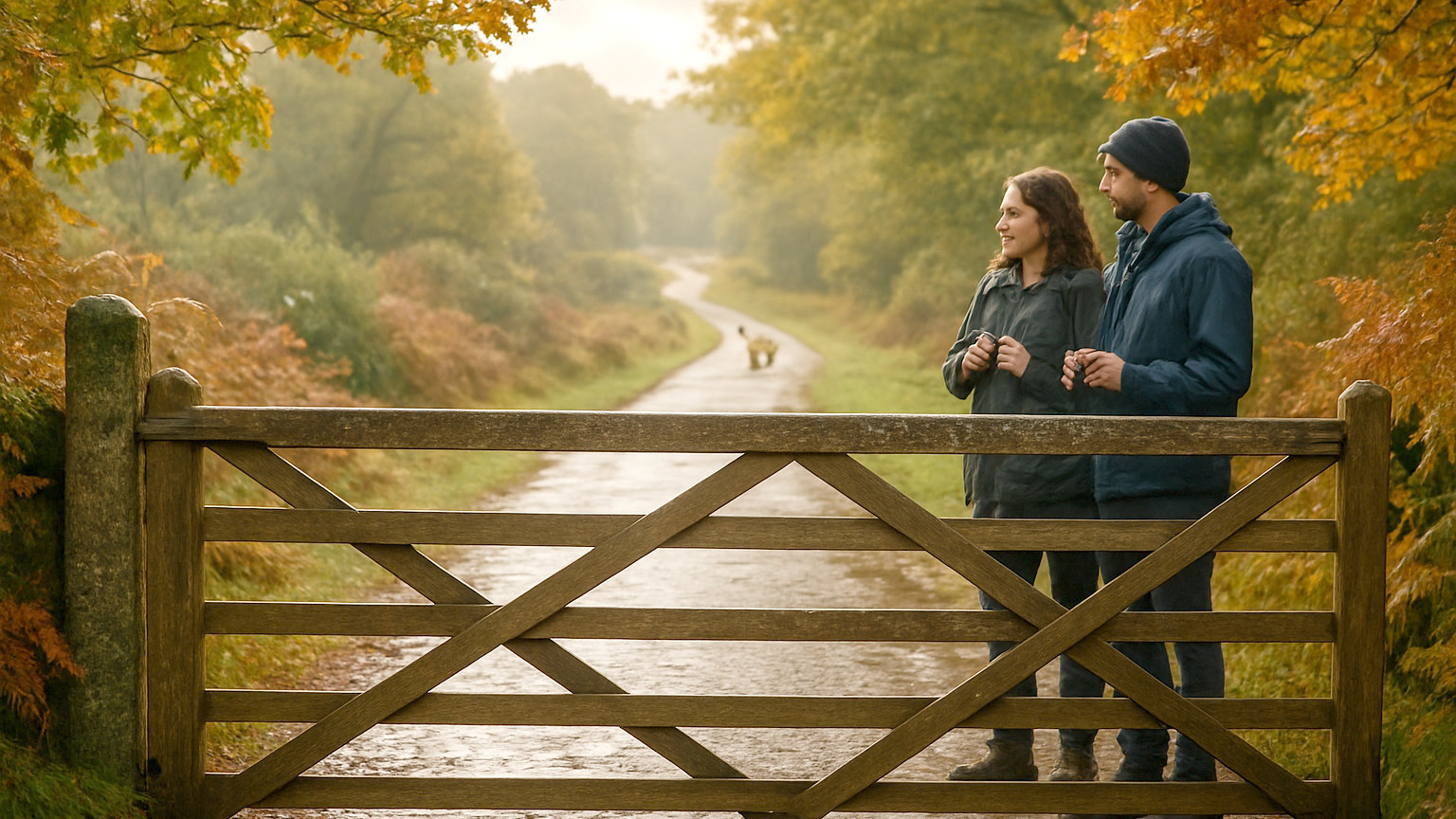
Keep them on a lead in the countryside during the bird nesting season, from the start of March to the end of July, and around livestock and cliff edges at any time.
Ground nesting birds on moors, dunes and shingle are extremely vulnerable to dogs, and a dog running through a colony can cause losses across a whole season. Several beaches and reserves restrict dogs entirely in spring and summer.
Are drones acceptable?
Almost never around wildlife. Drones cause severe disturbance, particularly to birds, which perceive them as predators, and their use over nature reserves and near protected species is prohibited or restricted.
Flying a drone at a seabird colony or over a seal haul out can cause mass panic with real casualties. It is also likely to be an offence.
What about photography specifically?
Photography drives a disproportionate share of disturbance, because getting closer improves the image. Use a longer lens rather than shorter distance, and never bait, call in or manipulate an animal for a picture.
Do not share precise locations of rare breeding species, particularly raptors, which are still persecuted in parts of Britain. Vague locations protect them.
What about seals and marine mammals?
Keep well back from hauled out seals, which are resting and vulnerable, and never approach pups. Mothers disturbed from a pup may not return.
At sea, do not pursue dolphins or whales in a kayak, paddleboard or private boat. Use accredited operators who follow approach guidelines.
What is the reward for behaving well?
Better watching. Animals that have not been alarmed carry on doing interesting things, and sitting still for twenty minutes will show you more than an hour of walking towards things.
Every experienced wildlife watcher will say the same: the best sightings come from patience and stillness rather than from getting closer.
Finally, report what you see. Casual records from the public underpin a great deal of monitoring in Britain, and several apps and county recorders make submitting a sighting straightforward. Watching responsibly and then contributing the record is considerably more use to the animal than the photograph.