Rewilding has shifted in twenty years from an argument to a set of places you can walk around. Several British projects now welcome visitors, and they offer something distinctly different from a conventional nature reserve: land being allowed to determine its own direction rather than managed towards a fixed target.
What does rewilding actually mean?
Broadly, restoring natural processes and reducing intensive management, often by reintroducing missing species or grazing animals that shape habitat. It sits in contrast to traditional conservation, which usually manages land to maintain a particular habitat.
The term is contested and covers a wide range of practice, from large scale land use change to modest changes in grazing and river management.
Which project is best known?
Knepp in West Sussex, where a former intensive farm was turned over to free roaming longhorn cattle, Tamworth pigs, ponies and deer, allowing scrub and wood pasture to develop.
The results include breeding nightingales, turtle doves and purple emperor butterflies in nationally significant numbers, along with a white stork reintroduction. Guided walks and safaris run through the year and camping is available on site.
Where have beavers been reintroduced?
Beavers are back in Britain after four hundred years, following trial reintroductions and subsequent legal protection in parts of the country. Populations exist on the River Otter in Devon, in Knapdale in Argyll and across Tayside in Scotland.
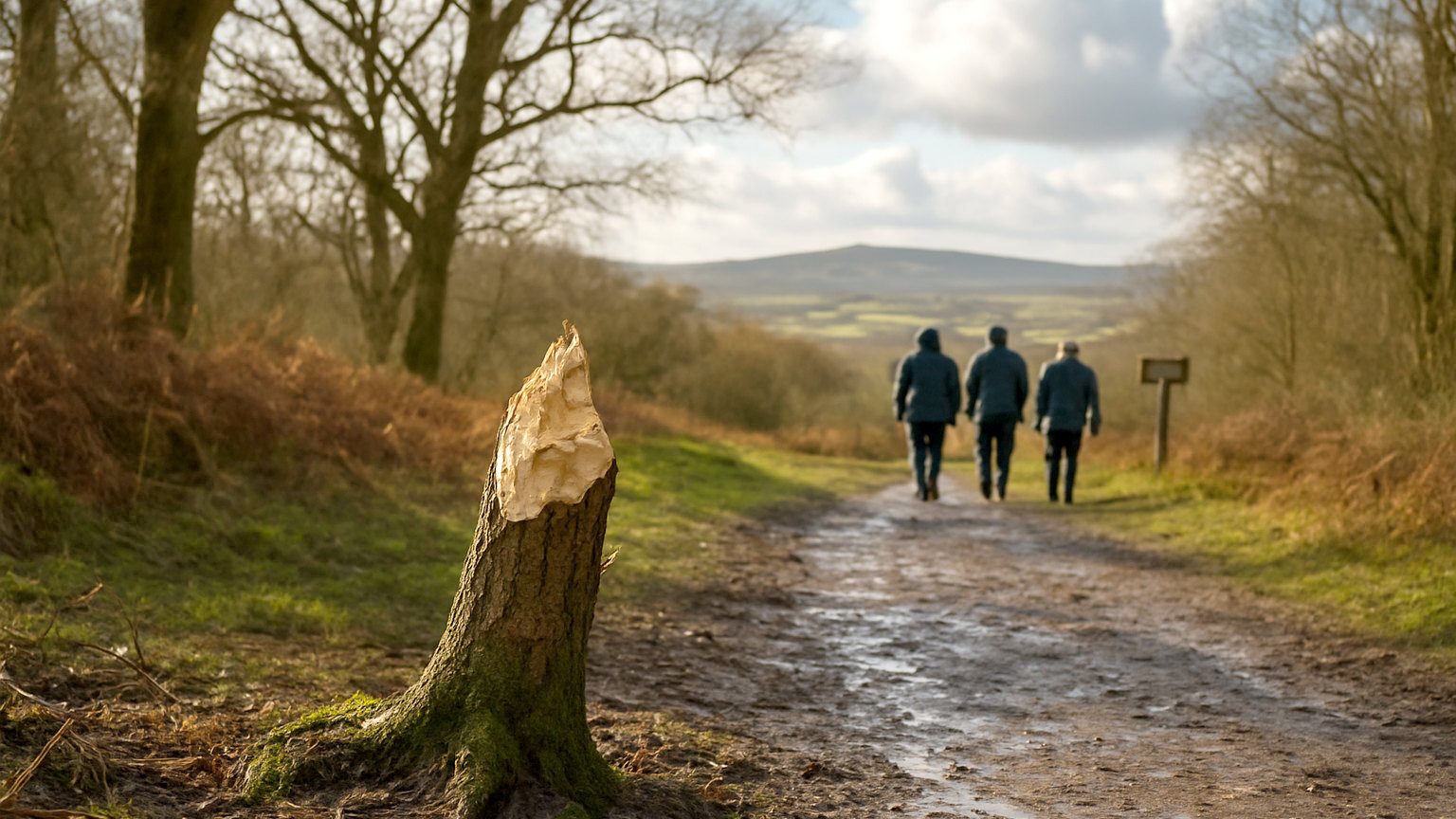
Enclosed projects at a number of sites in England allow easier viewing. Beavers are largely crepuscular, so dusk sitting quietly beside water is the way to see one, and their engineering is visible at any hour.
What is happening in Scotland?
Some of the largest scale work in Britain. Partnerships in the Cairngorms are restoring native pine forest and peatland across a very large area, and organisations are planting and regenerating woodland in Glen Affric and elsewhere.
Several estates have shifted from sporting management to habitat restoration, with visitor access and volunteering programmes. Tree planting weeks and conservation holidays are widely available.
Are there large mammals?
A few, in enclosures. A project in Kent has introduced European bison to a woodland enclosure to open up the canopy through their browsing and dust bathing, with viewing from public paths.
White tailed eagles have been reintroduced to Scotland and more recently to the Isle of Wight, and red kites across several regions. Wild boar are present in the Forest of Dean and elsewhere, though as an escape rather than a project.
What can you expect on site?
Scruffier land than a conventional reserve: thorn scrub, fallen timber, uncut vegetation and no neat edges. That is the point, and it takes some visitors by surprise.
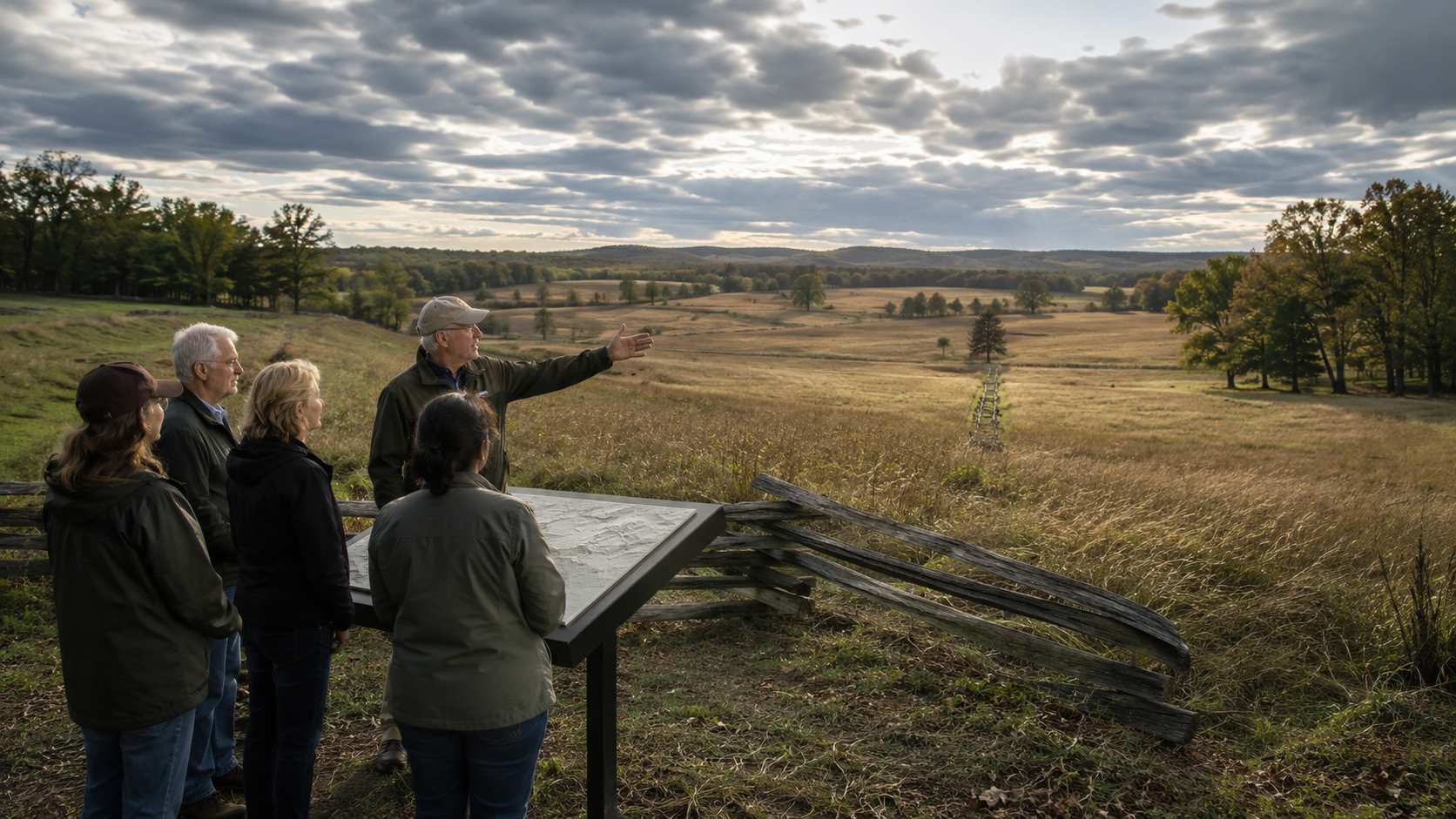
Wildlife density is frequently high but the animals are dispersed, so a guided visit is far more productive than wandering alone on a first trip.
Is it controversial?
In places, yes, and honest coverage should say so. Farmers and landowners raise legitimate concerns about beaver flooding of productive land, deer numbers, and the loss of farmland to nature projects.
There are also disagreements among conservationists about whether reducing management helps or harms particular species that depend on traditional practice. Visiting a project and reading its own account is worthwhile; assuming the argument is settled is not.
How can you get involved?
Volunteering, which most projects rely on and which ranges from a day of tree planting to residential conservation weeks. Several organisations run working holidays that include accommodation.
Citizen science recording also matters, since projects need data on what is arriving and when, and casual records from visitors contribute to that.
What should you book?
Guided walks and safaris, which have small capacity and sell out in spring and summer. Accommodation on site where it exists, since camping and glamping at these projects is popular.
Dawn and dusk visits are the productive ones, and several projects run early morning walks specifically, which is when the land is at its most active.