The red deer rut is the most dramatic wildlife spectacle in Britain and one of the few that is genuinely reliable. For a few weeks each autumn, stags roar continuously, parade in front of each other and occasionally fight, and it can be watched at close quarters in several parks within reach of major cities.
When does it happen?
From mid September to the end of October in most of Britain, with the peak usually in the first three weeks of October. Fallow deer rut at a similar time and sika slightly later.
Timing shifts a little with the weather and by latitude. Cold, still mornings produce the most activity, and a warm autumn can delay and dampen the whole thing.
What actually happens?
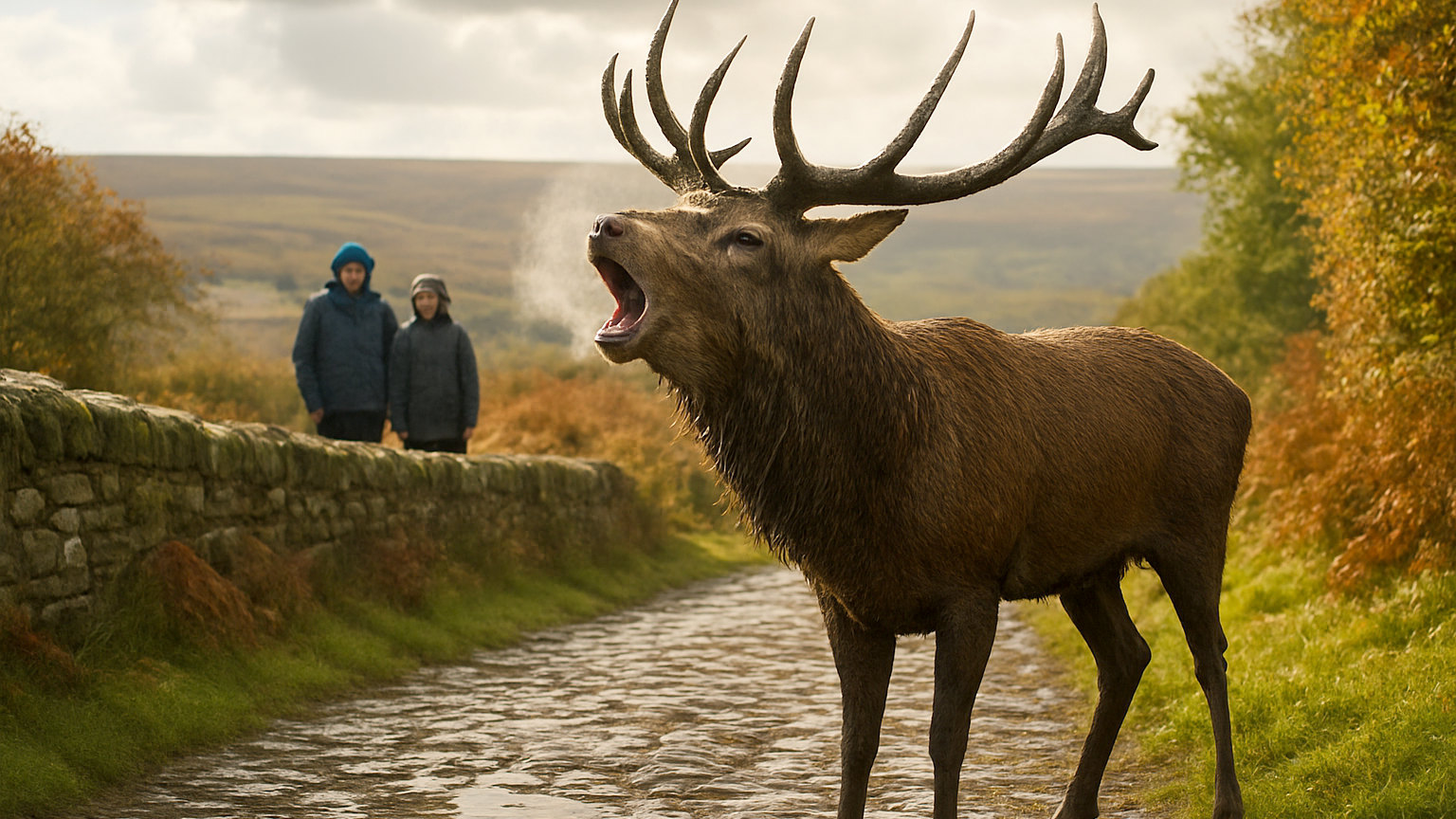
Stags compete for access to groups of hinds. Most of the contest is display: roaring, which advertises size and condition, and parallel walking, where two stags pace alongside each other assessing their opponent.
Fighting is a last resort and can be serious, with locked antlers and occasional injuries. Stags also wallow in mud and thrash vegetation with their antlers, which is why they look so dishevelled by late October.
Where can you watch it?
Richmond Park and Bushy Park in London are the best known and most accessible, with large herds and open ground. Both are free and reachable by public transport, which makes them the easiest option in the country.
Elsewhere: Bradgate Park in Leicestershire, Tatton and Lyme in Cheshire, Studley Royal in Yorkshire, Wollaton Park in Nottingham, and Exmoor for wild deer in a natural setting.
What about the Highlands?
Scotland holds the largest wild red deer population in Britain and the rut on open hill is a different experience: fewer deer visible, greater distances, and roaring carrying across a glen.
Glen Etive, the Isle of Rum, Torridon and the Cairngorms are all good. It requires more patience and binoculars, and the deer are genuinely wild rather than park animals.
How close is safe?
Not close. Rutting stags are large, unpredictable and full of hormones, and people are injured in British parks every autumn. Park authorities generally advise keeping at least fifty metres away, and further if a stag is agitated.
Never get between a stag and his hinds, never approach for a photograph, and retreat if an animal looks at you directly or moves towards you. Use a zoom lens rather than your feet.
What about dogs?
Keep them on a lead, and in several parks they are restricted or excluded entirely during the rut. A dog running towards deer can provoke a charge, and stags have killed dogs.
Check the park's rules before travelling, since some close areas or ban dogs completely for the season.
When during the day is best?
Early morning, ideally at first light, when roaring is loudest and mist frequently lies over the ground. Late afternoon is the second window.
Middle of the day is quiet, and in the busy London parks it is also when most visitors arrive. Being there at seven gives you activity and space at once.
What should you take?
Binoculars, which let you watch properly from a safe distance. A long lens if photographing. Warm and waterproof clothing, since October mornings in an open park are cold and you will be standing still.
Boots, because deer parks are muddy and the best viewing is usually away from the paths.
Is it worth going out of your way for?
Yes. It is among the very few British wildlife events that reliably delivers on the same dates each year, requires no specialist knowledge and can be seen at close range.
The roaring in particular is unlike anything else in the British countryside, and hearing it drift across a park in fog at dawn is worth setting an alarm for.
One further point about parks in particular. The deer in Richmond, Bushy and similar places are habituated to people and appear tame, which is precisely why incidents happen there rather than in the Highlands. Familiarity is not tameness, and a park stag in October should be treated with exactly the same caution as a wild one on a Scottish hillside.