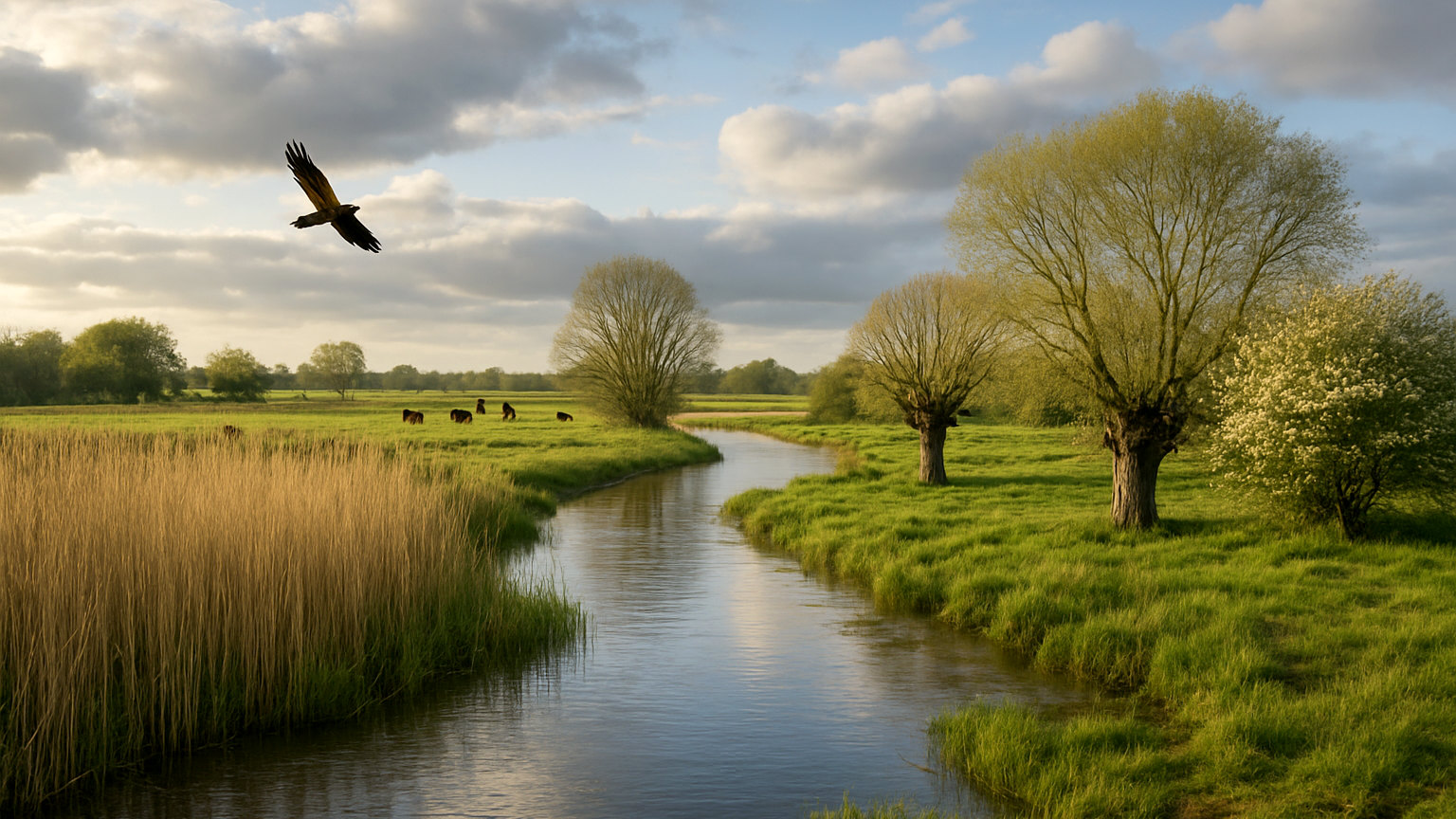
The Broads are the largest protected wetland in Britain, a network of shallow lakes and rivers in Norfolk and Suffolk with equivalent status to a national park. They look natural and are not: the broads themselves are flooded medieval peat diggings, which was only established in the 1960s.
What is the rarest thing there?
The swallowtail butterfly, Britain's largest, which in this subspecies is found nowhere else in the country and depends entirely on milk parsley growing in fen vegetation.
It flies from late May into June, with a smaller second brood some years. Hickling Broad and How Hill are the most reliable places to see it.
What is booming?
The call of the male bittern, a secretive heron of dense reedbed that produces a deep resonant note carrying over a mile, made from March to May.
The species came close to extinction in Britain twice and has recovered substantially through reedbed management. You will almost certainly hear one before you see one.
Which birds are easiest to see?
Marsh harriers, quartering low over the reeds with wings held in a shallow V, which are now common here after a similar recovery from near extinction.
Bearded tits in the reed tops on still days, great crested grebes on open water, and kingfishers along the dykes.
Have cranes returned?
Yes. Common cranes recolonised the Broads naturally in the late 1970s after centuries of absence, and a small population now breeds in the area.
They are enormous, tall as a person, and are seen most reliably in autumn and winter feeding in fields. Keep well back, since they abandon nests readily.
What mammals are there?
Otters, which have recovered across the region and are seen at dawn and dusk along quieter rivers and at several reserves.
Water voles, declining nationally but present here, and Chinese water deer, an introduced species now common in the fens and marshes.
Which reserves are best?
Hickling Broad, the largest, with boardwalks, hides and a water trail by boat in summer. Strumpshaw Fen near Norwich for reedbed birds and swallowtails.
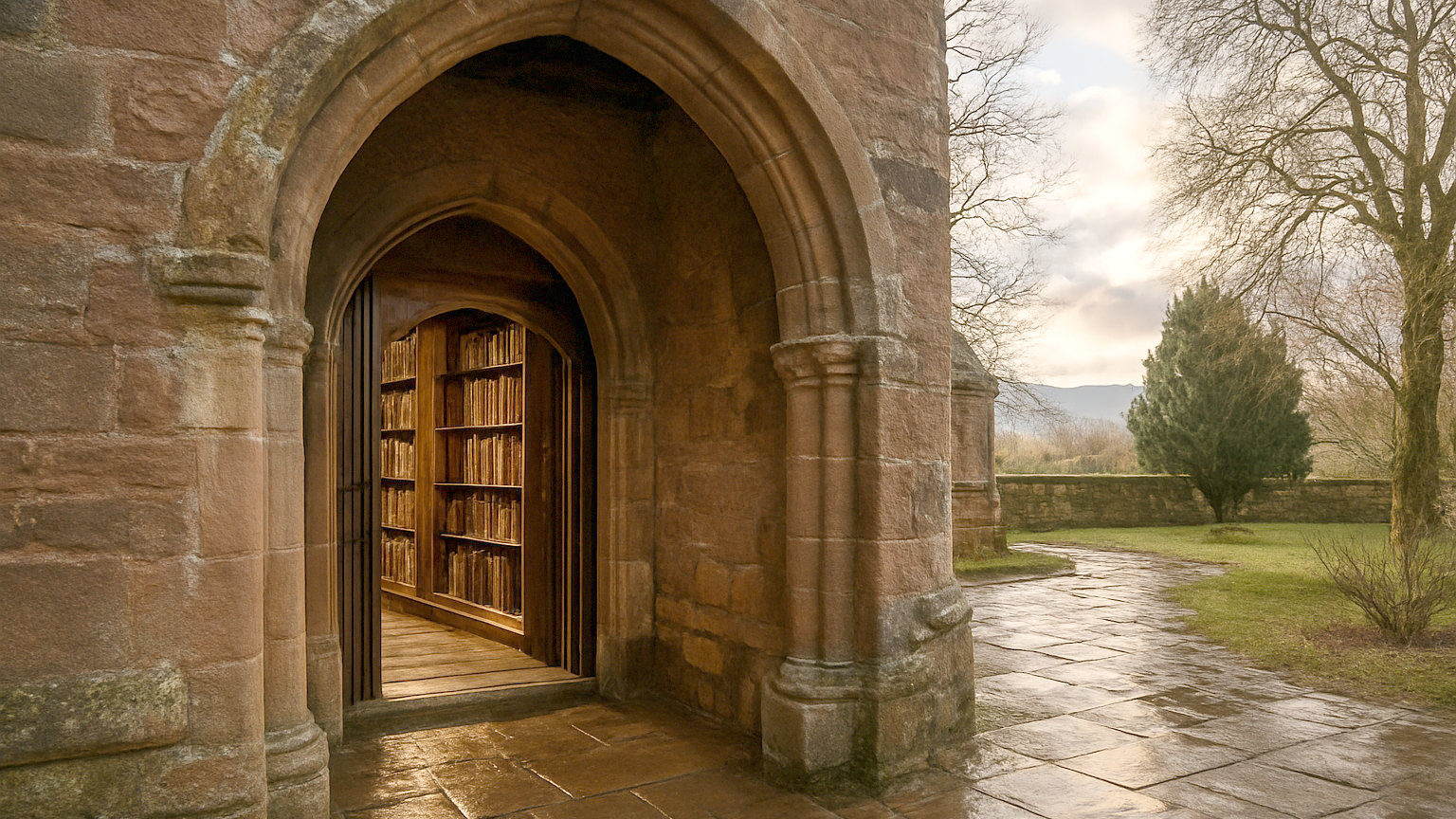
Ranworth for a floating visitor centre and a church tower with a view over the whole system, and How Hill for fen and a working windpump.
Is a boat the best way to see it?
Frequently, since the waterways reach places roads do not and wildlife is less disturbed by a boat than by people on a bank.
Electric day boats are quiet and available at several centres. Cruisers can be hired by the week with no licence required, which is how most people experience the Broads.
When should you go?
Late May and June for swallowtails, dragonflies and breeding birds at their most active. Spring for booming bitterns.
Winter for wildfowl in large numbers and for a landscape that empties of visitors almost entirely.
What are the dragonflies?
Exceptional. The Norfolk hawker is a scarce species largely confined to this area, and around two dozen species occur across the system.
June to August is the peak, and warm still days beside a dyke will produce a great many within an hour.
What threatens the area?
Saltwater incursion during tidal surges, nutrient enrichment from agriculture, and the loss of traditional management such as reed cutting and grazing.
Climate change and sea level rise are the long term problem, since much of the system sits at or near sea level behind defences.
How should you behave?
Keep to boardwalks and paths, since fen vegetation is fragile and holds nesting birds. Slow down in a boat near banks, where wash erodes and disturbs.
Keep dogs on leads at reserves, and never approach nests or feeding cranes.
How do you actually find things?
Slowly and from a fixed point. Reedbed species are far easier heard than seen, so sitting in a hide for an hour produces more than walking for three. Dawn and the last hour of light are when most activity happens. Binoculars are essential and a telescope helps on the larger broads, where birds sit well out on open water.