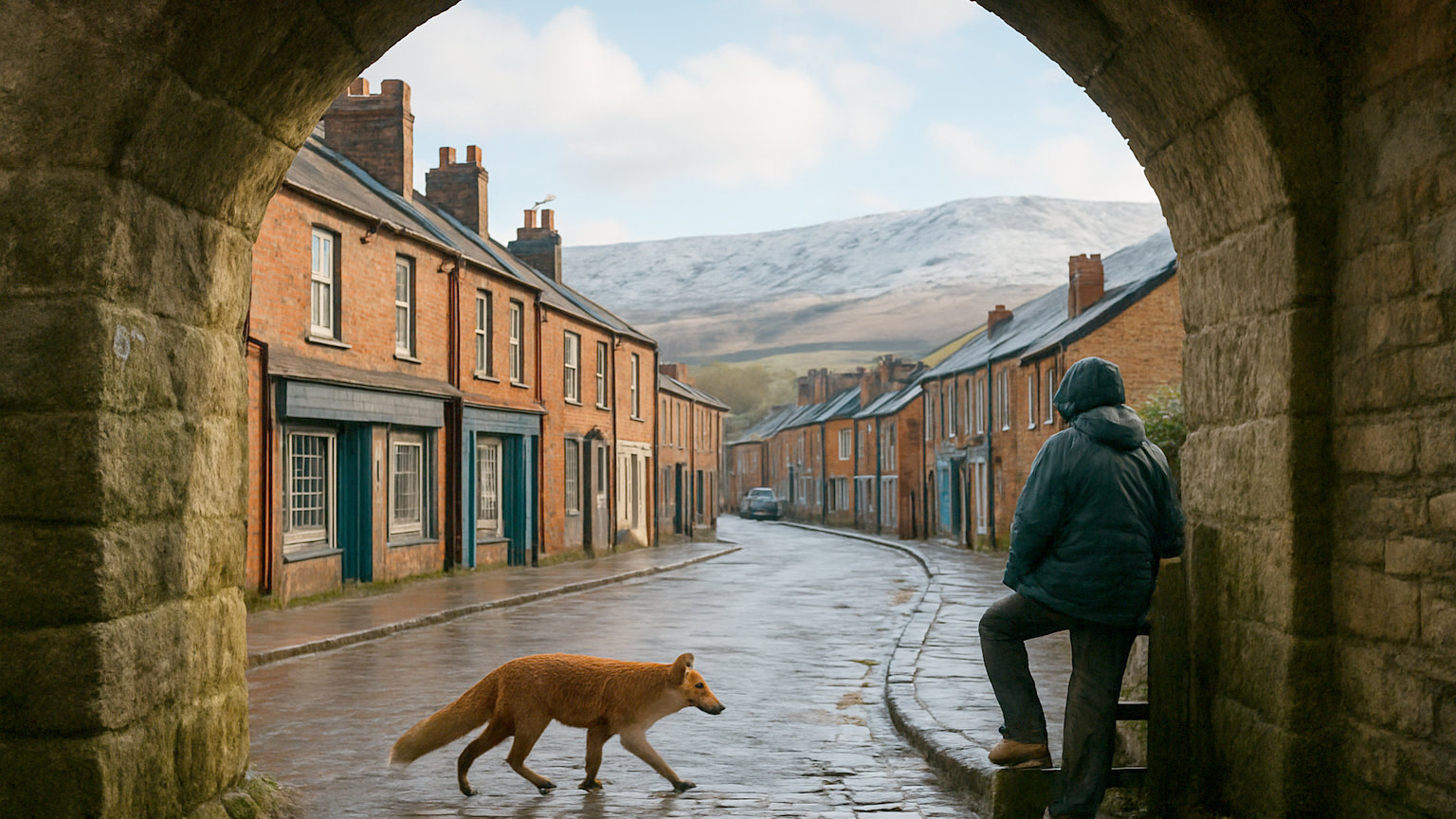
A substantial proportion of British wildlife is nocturnal or crepuscular, which means most people never see it. Watching after dark requires a little preparation and a good deal of patience, and it opens up a set of animals that are effectively invisible during daylight.
What is out after dark?
Badgers, foxes and hedgehogs among the mammals, along with deer, which move into open ground at night. Bats, of which Britain has eighteen species. Owls, moths, and glow worms in early summer.
Otters are largely nocturnal in much of England and more active by day in Scotland, and pine martens and polecats are almost entirely nocturnal.
How do you watch badgers?
At a sett, downwind, in silence, arriving an hour before dusk and staying still. Badgers have poor eyesight and an excellent sense of smell, so wind direction matters more than concealment.
Several wildlife trusts and estates run badger watching evenings from purpose built hides, which is by far the easiest way to see them and considerably more likely to succeed than trying alone.
What about bats?
Emergence begins around twenty minutes after sunset, and the first half hour is the most active. Water, woodland edges and old buildings are the productive places, since insects concentrate there.
A bat detector converts their ultrasonic calls into audible sound and transforms the experience, letting you identify species and hear activity you would otherwise miss. Bat groups run public walks in summer and usually lend detectors.
Where do you see owls?
Barn owls hunt over rough grassland at dusk and dawn, particularly in winter when they hunt more in daylight, and are best looked for along field margins and old railway lines.
Tawny owls are woodland birds heard far more often than seen, and the familiar call is a duet between two birds rather than one. Short eared owls hunt by day in winter on moorland and coastal marsh, which makes them the easiest owl to watch.
What are glow worms?
Beetles rather than worms. The flightless female produces a green light from her abdomen to attract males, visible on warm still nights from roughly June to August.
They favour chalk and limestone grassland, old railway embankments and woodland rides. Populations are localised and declining, and local wildlife groups often know exactly where to look.
How should you use light?
Sparingly, and red rather than white. Full dark adaptation takes twenty to thirty minutes and a single glance at a phone screen resets much of it.
A red filtered head torch preserves night vision and disturbs animals far less. Never shine a bright light directly at an animal, which can dazzle and disorient it.
What about moths?
Britain has around two and a half thousand species, many of them far more striking than people expect. A light trap run overnight in a garden reveals a completely unfamiliar fauna.
Moth trapping evenings run by naturalist groups are a good introduction, and traps can be bought or improvised. Moths are released unharmed in the morning after recording.
What should you take?
A red torch, warm clothing well beyond what the daytime suggests, and something to sit on. A bat detector if you have one, and binoculars, which work better in low light than most people expect.
Tell someone where you are going. Woodland at night is disorienting and a twisted ankle a mile from the car is a different problem after dark.
Where should you start?
With an organised event. Bat walks, badger watches and moth mornings are run by wildlife trusts and local groups across Britain, are usually inexpensive and put you with someone who knows the site.
After one or two of those, the same activities become straightforward to do independently, and a garden with a moth trap or a nearby wood at dusk turns into an entirely new habitat.
One last consideration is access. Much of the countryside is private land and rights of way do not confer permission to sit in a wood after dark. Reserves with formal night events solve this, as does asking a landowner directly, which people are frequently willing to allow if approached properly.