Museums divide sharply for children into those that are designed for them and those that tolerate them. The good news is that Britain has an unusual number of the former, several of them free, and that they are among the best value family days available anywhere.
What makes a museum work for children?
Things to operate, spaces to move through, and objects at a scale that impresses without explanation. A locomotive, a dinosaur skeleton or a whale is immediately comprehensible; a case of coins is not.
Also a trail or activity sheet, which almost every museum now provides free and which converts wandering into a hunt.
Which are the outstanding ones?
The Natural History Museum and the Science Museum in London, both free, both enormous and both built around exactly the kind of object children respond to.
The National Railway Museum in York, free, holding record breaking locomotives on a scale that surprises adults as much as children. The National Museum of Scotland in Edinburgh, which is exceptional and free.
What about dedicated science centres?
Several cities have hands on science centres built specifically for families, including venues in Bristol, Birmingham, Cardiff, Edinburgh and Halifax. These are interactive throughout rather than having an interactive gallery bolted on.
They charge admission, since they are not part of the national collections, and are usually priced as a full day out. Annual passes are common and pay off quickly for local families.
Do open air museums work?
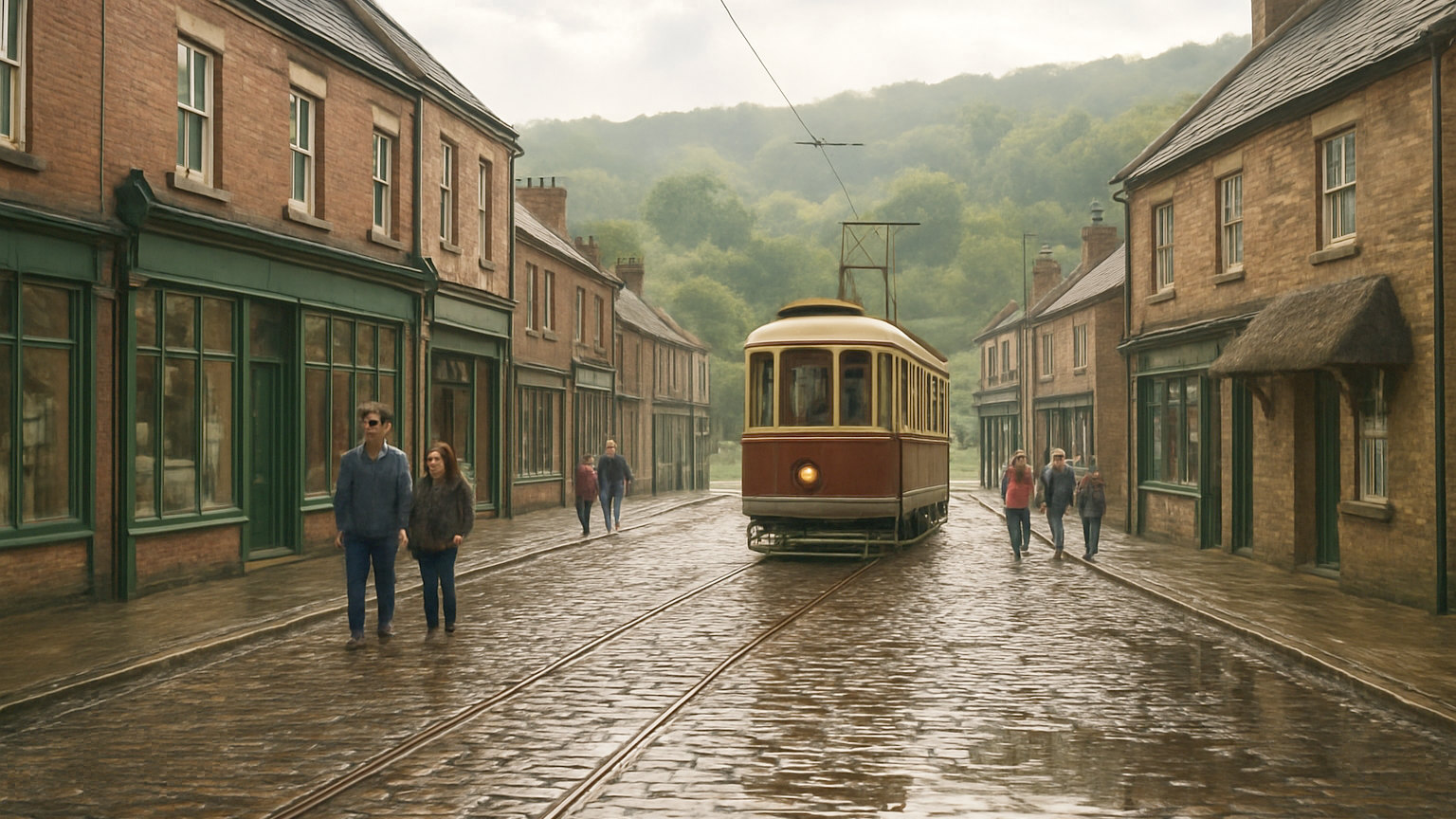
Extremely well, and for many families they are the best option of all. Costumed staff, working trams, sweet shops, mines and streets to walk down give children something to do continuously.
Beamish in County Durham, the Black Country Living Museum, St Fagans near Cardiff and the Highland Folk Museum near Newtonmore are the main ones, and two of those are free.
How long should a visit last?
Ninety minutes to two hours for a conventional museum, longer at open air and interactive sites where children are moving continuously.
Free entry changes the calculation entirely, since leaving after an hour costs nothing. Paid attractions create pressure to stay and extract value, which is where family visits sour.
What should you do on arrival?
Collect a trail, find the lavatories and locate the café, in that order. Then let the children choose the first gallery rather than steering them towards what you wanted to see.
Museums are one of the few places where following a five year old produces a better visit than following a plan.
What about the interactive galleries?
Several major museums have dedicated hands on galleries for younger children, and some of these are ticketed separately even where the museum is free.
They are usually excellent and they get busy, so book a slot in advance where booking exists, particularly in school holidays.
When should you go?
Term time weekday mornings if you can, which are quiet apart from school groups that arrive around ten and cluster in specific galleries. Weekends and holidays are busy throughout.
Arriving at opening is the single most effective adjustment, particularly at the London museums where midday queues form at the entrance.
What is the best family museum day?
An open air museum in reasonable weather, since children can run, there is something happening in every building and the day is self directing.
Failing that, a large free national museum with a trail, a lunch break in the middle and permission to leave whenever everyone has had enough.
What should you avoid?
Trying to combine a children's visit with your own. A gallery of paintings you want to look at properly and a six year old are not compatible, and attempting both produces frustration on all sides. Either choose a museum that works for them, or take turns while the other adult goes elsewhere, which free entry makes entirely practical.
Finally, check whether the museum runs holiday activities. Most large institutions put on free drop in workshops, storytelling and craft sessions during school holidays, and these are often the best thing available on the day. They are advertised on the museum's own website rather than anywhere else, and the popular ones fill early in the morning.