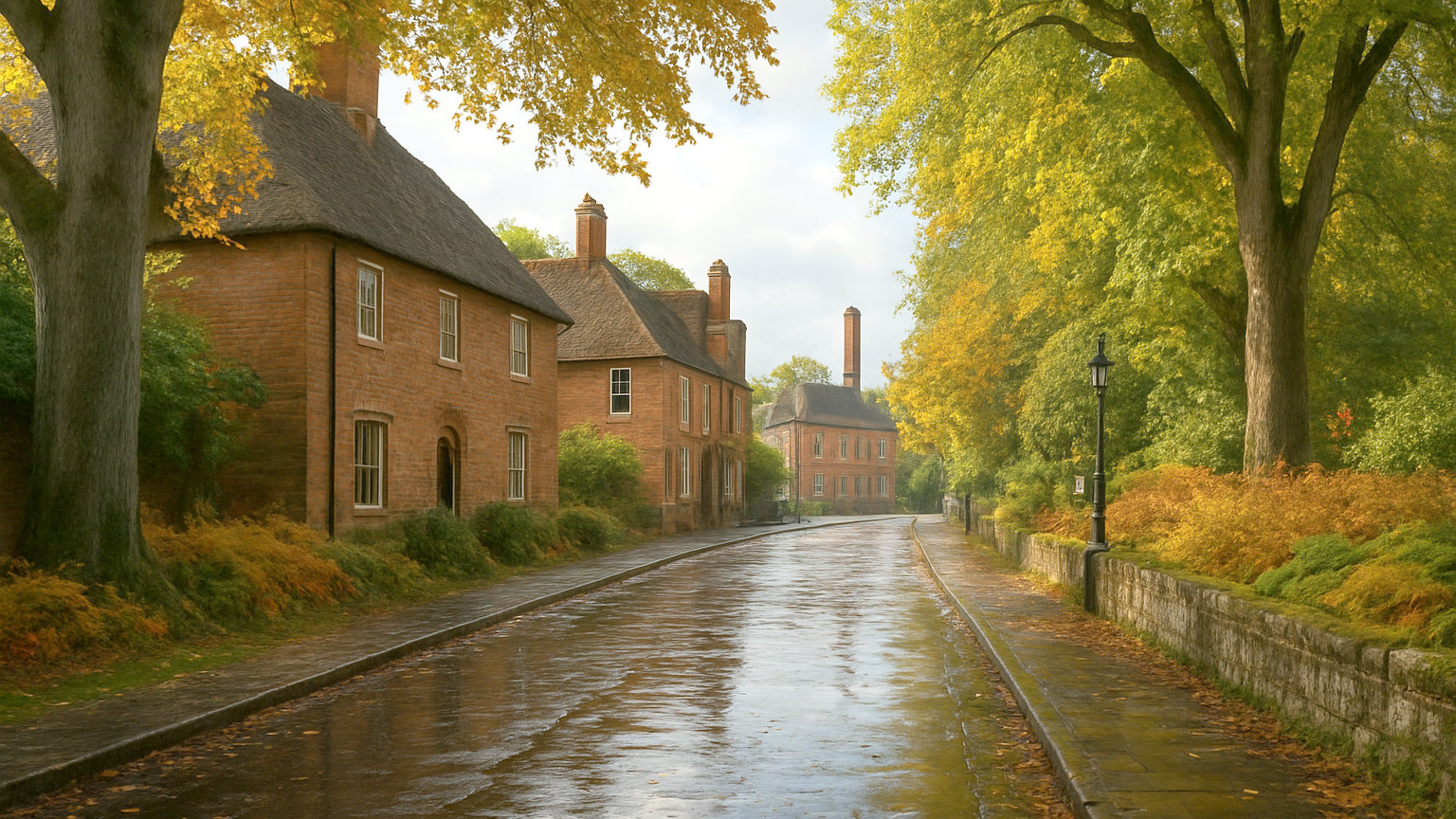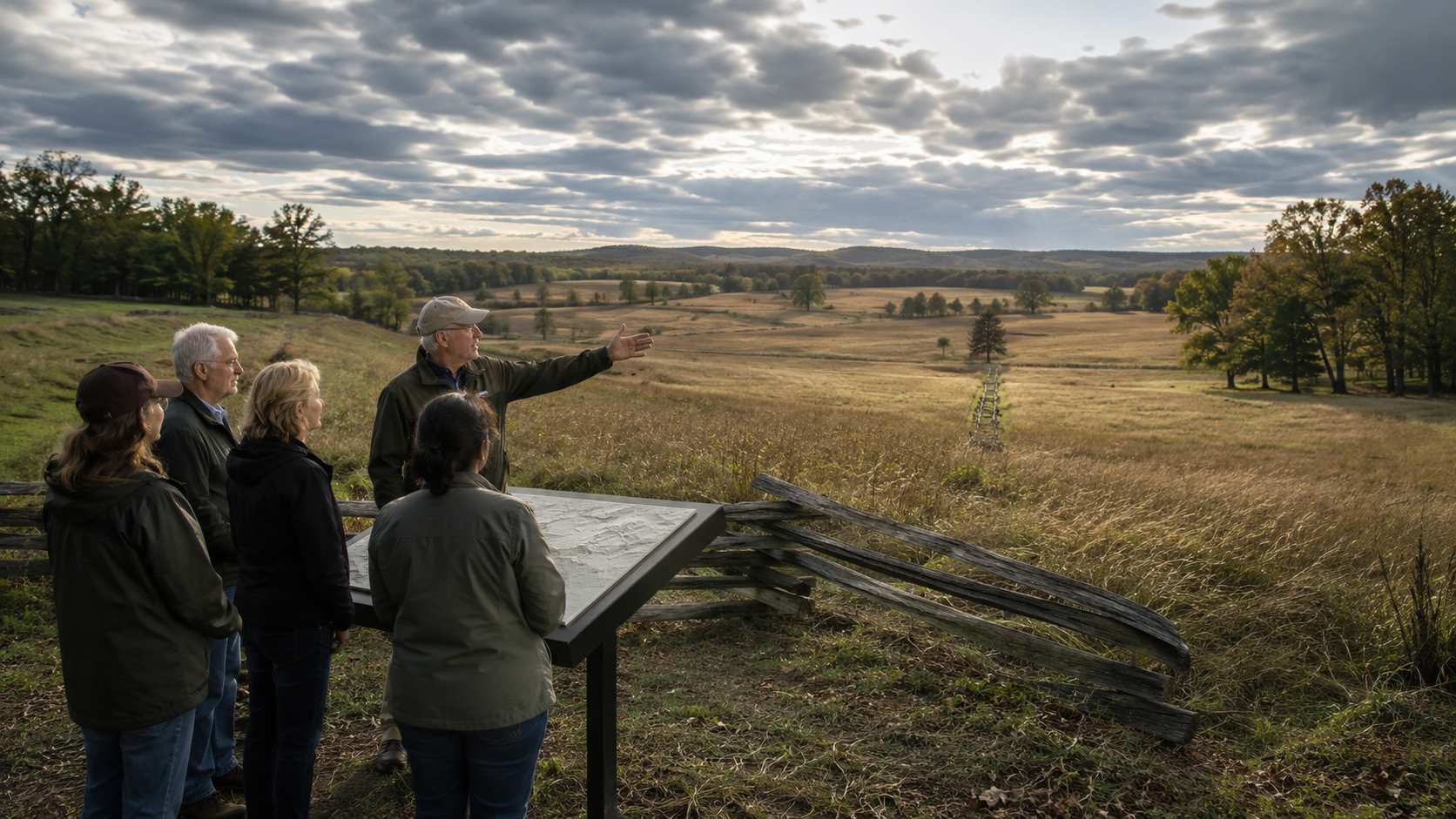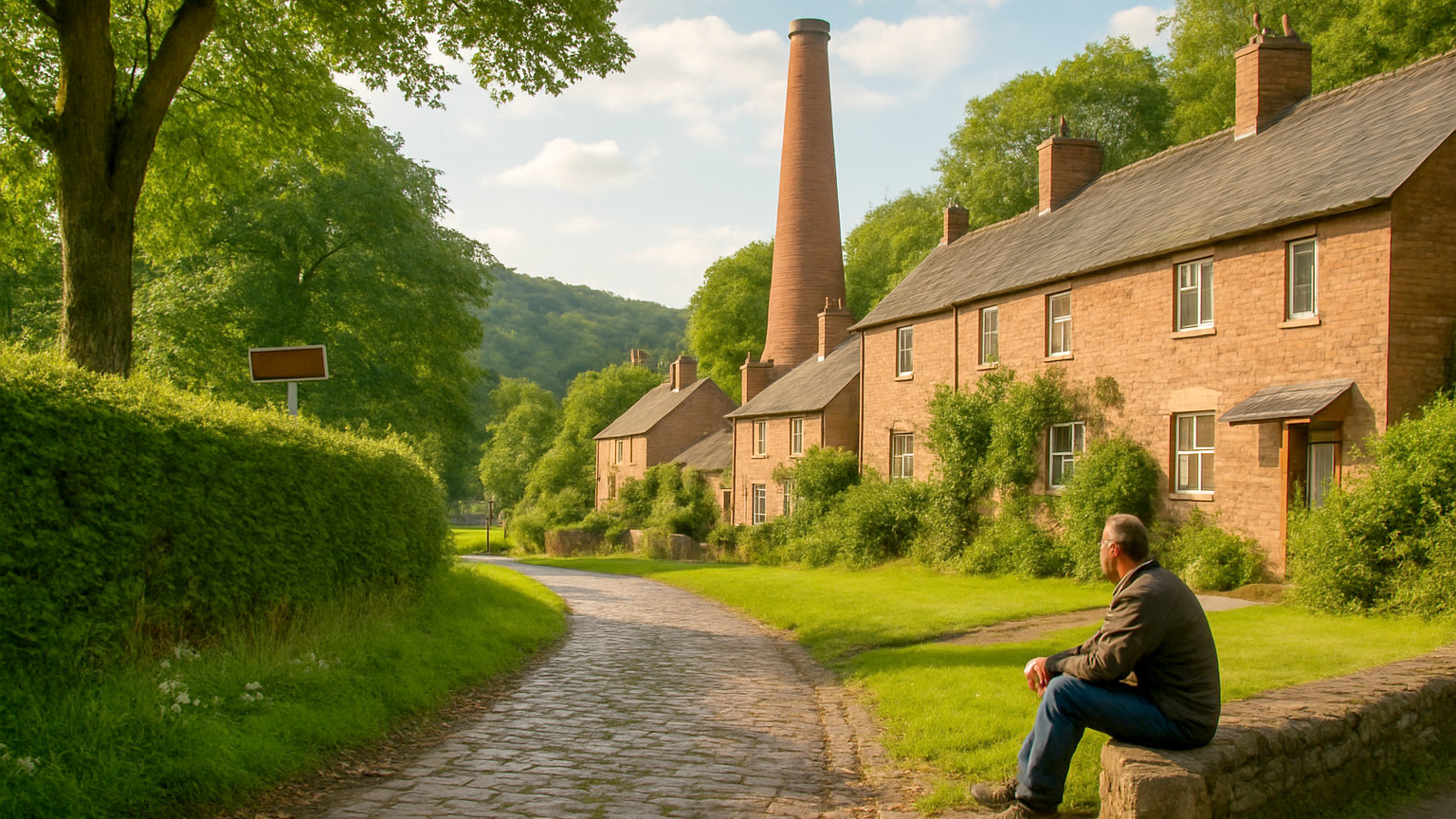
Britain industrialised before anywhere else and, having deindustrialised comparatively recently, retained a great deal of the physical evidence. The resulting industrial museums are among the most distinctive attractions in the country, and several are free.
Which are the major sites?
Ironbridge Gorge in Shropshire, a World Heritage Site containing ten separate museums covering iron, china, tiles, a Victorian town recreation and the furnace where iron was first smelted with coke.
Blaenavon in south Wales, another World Heritage Site, with ironworks and Big Pit, a colliery where the underground tour is guided by former miners.
Can you go underground?
At several sites, and it is the most memorable part of industrial heritage in Britain. Big Pit in Wales and the National Coal Mining Museum in Yorkshire both take visitors down a real shaft in a cage, wearing a helmet and lamp, guided by ex miners.
Both are free. You surrender anything with a battery or a flame before descending, for obvious reasons, and the tours are unsuitable for anyone with claustrophobia or restricted mobility.
What about textile mills?
Quarry Bank Mill in Cheshire, a working cotton mill with the largest waterwheel in Europe still turning, an apprentice house and gardens. New Lanark in Scotland, a mill village and World Heritage Site built on the philanthropic model of its owner.
Saltaire in Yorkshire, another model village and World Heritage Site, now housing an art gallery in the mill. Cromford Mills in Derbyshire, where the factory system effectively began.
Which cover other industries?
The National Slate Museum at Llanberis in north Wales, free, at the foot of the quarries that roofed much of the world and part of a World Heritage Site.
Kelham Island in Sheffield for steel, with a working Bessemer converter demonstration. The Museum of Science and Industry in Manchester, free, on the site of the world's first passenger railway station.
What are the open air industrial museums?
Beamish in County Durham, which recreates a northern town, colliery village and farm across a large site with trams, a working drift mine and costumed staff.
The Black Country Living Museum near Dudley, similar in approach, with a canal boat trip into a limestone mine and a chip shop frying in beef dripping to a period recipe.
Are they interesting without technical knowledge?
Yes, and the best ones are built around the people rather than the machinery. The social history of how families lived, what the work did to bodies, and what happened to communities when the industry closed is the substance of these places.
The guides at the mining museums, who worked underground themselves, are the strongest argument for visiting.
Which are good for children?
The open air museums, without question, since there is movement, transport and something happening in every building. Beamish and the Black Country Living Museum both fill a full day easily.
The underground tours have minimum age limits, usually around five, and are genuinely dark and enclosed, which some children love and others find frightening.
What should you take?
Warm clothing for underground tours, since a mine is a constant cool temperature regardless of the weather above. Footwear with grip for wet floors and cobbles.
Cash at the open air museums, several of which have period shops and, in some cases, a working bank exchanging modern money for old currency.
Why do they matter?
Because the industrial revolution happened here first and its consequences shaped the country, and because these places are frequently sited in towns that lost the industry they were built around.
Visiting them supports communities that receive very few tourists, and gives a picture of Britain that castles and cathedrals do not.
How long do they take?
Longer than expected. Ironbridge spreads ten museums across a valley and needs two days to do properly, which is why its ticket lasts a year. Beamish and the Black Country Living Museum fill a full day each. The mining museums need three or four hours including the underground tour, which itself runs to about an hour and is booked on arrival for a specific time.